Beef Tallow for Skin: An Honest Look at the Hype and Science
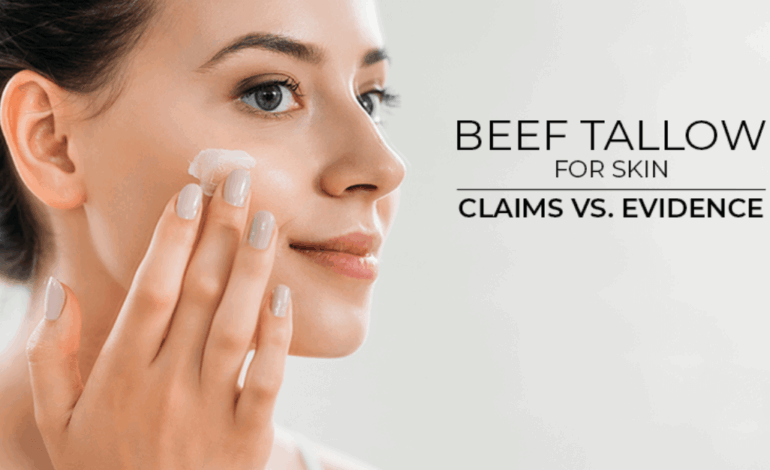
A forgotten kitchen staple is making an unexpected comeback—not on the dinner plate, but in the skincare aisle. Rendered beef fat, known as tallow, is being celebrated across social media as a “miracle” balm for dry, aging, and sensitive skin. But does this historic remedy hold up under modern scientific scrutiny?
This comprehensive guide cuts through the hype to deliver an evidence-based analysis of beef tallow’s role in skincare, evaluating its potential benefits, inherent risks, and what dermatologists really think.
What Exactly is Beef Tallow?
Beef tallow is a pure, rendered form of fat obtained from the suet of cattle. The rendering process slowly heats the suet to separate the pure, stable fat from any water, protein, or impurities. The result is a solid, butter-like substance that melts on contact with skin.
A Blast from the Past: Tallow’s Historical Roots
Long before modern creams, tallow was a cornerstone of traditional skincare and soap-making. Our ancestors valued it for its intense moisturizing properties, using it to create protective salves for cracked, dry skin and to craft long-lasting, creamy bars of soap.
The Composition: Why Tallow is Gaining Attention
Proponents argue that tallow’s power lies in its biochemical similarity to human sebum (our skin’s natural oil). It’s rich in:
-
Saturated Fats: To reinforce the skin’s protective barrier.
-
Fat-Soluble Vitamins: Including A (for cell turnover), D (for inflammation control), E (a potent antioxidant), and K (for skin elasticity).
-
Conjugated Linoleic Acid (CLA): A fatty acid with potential anti-inflammatory properties.
Claimed Benefits for the Skin
Advocates for tallow-based skincare highlight several key advantages:
-
Deep Moisturization and Barrier Repair: Its similarity to human sebum may allow it to hydrate deeply without clogging pores, helping to repair a compromised skin barrier and lock in moisture.
-
Nutrient-Dense Nourishment: The cocktail of vitamins A, D, E, and K delivers a concentrated dose of nutrients directly to the skin.
-
Soothing Anti-Inflammatory Effects: Components like CLA may help calm irritation and redness associated with conditions like eczema.
Who Might Benefit Most from Tallow?
Tallow could be a good fit for individuals with:
-
Chronically dry or flaky skin
-
Sensitive skin irritated by synthetic ingredients
-
Mature skin seeking a rich, nourishing emollient
-
Those pursuing a minimalist, natural skincare regimen
Important Risks and Drawbacks to Consider
Despite the enthusiasm, it’s crucial to be aware of the potential downsides:
-
Comedogenic Potential: With a comedogenic rating of 2-3, tallow can feel heavy and may clog pores for those with oily or acne-prone skin.
-
Allergic Reactions: While rare, individuals with a beef allergy or sensitivity could experience redness, itching, or a rash.
-
Contamination & Purity: Homemade or improperly rendered tallow can harbor bacteria or become rancid. Always source from reputable, organic suppliers.
-
Ethical Considerations: As an animal product, tallow is not suitable for vegans or those concerned with animal welfare.
The Dermatologist’s Verdict: Proceed with Caution
The dermatological community remains cautious. While the nutrient profile is intriguing, there is a significant lack of clinical studies proving its efficacy and safety for topical use. Key concerns include:
-
No FDA-approved tallow-based skincare products exist.
-
Its heavy texture is a potential problem for acne-prone individuals.
-
Application on broken skin could potentially lead to infection.
Frequently Asked Questions (FAQ)
-
Can beef tallow help with acne? The evidence is conflicting. While its anti-inflammatory properties might help some, its occlusive nature could worsen breakouts in others. It is not a proven acne treatment.
-
Is beef tallow better than retinol? No. Tallow may be an excellent moisturizer, but it lacks the proven, research-backed ability of retinol to accelerate cell renewal, fight wrinkles, and treat acne.
-
Could it make eczema worse? It might. While some find relief, the thick balm could trap irritants or cause a reaction in those with sensitivities. A patch test is essential.
Safer, Science-Backed Alternatives
If you’re seeking natural yet clinically validated moisturizers, consider these alternatives:
-
Plant-Based Oils: Jojoba oil (mimics sebum) and squalane (lightweight hydration).
-
Ceramides: These are the building blocks of your skin barrier and are found in many effective moisturizers.
-
Hyaluronic Acid: A powerhouse for hydration that doesn’t feel greasy.
The Final Word
Beef tallow presents a fascinating case of an ancient remedy meeting modern beauty trends. Its rich, natural composition offers potential as a deeply moisturizing balm, particularly for dry and non-acne-prone skin types.
However, the absence of rigorous scientific evidence, combined with its comedogenic potential and ethical considerations, means it’s not a one-size-fits-all solution. A cautious approach, including a thorough patch test and consultation with a dermatologist if you have specific skin conditions, is highly recommended.