Cancer Care: Complete Guide to Treatment, Recovery, Nutrition, and Emotional Support
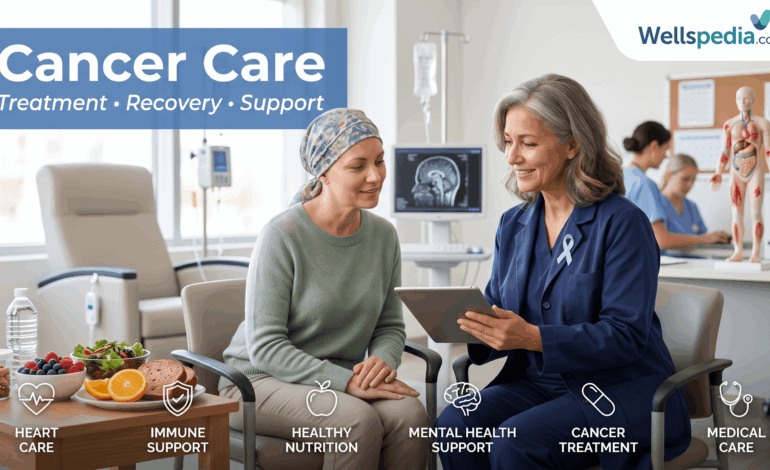
Receiving a cancer diagnosis can be overwhelming for both patients and their families. However, modern cancer care is much more advanced than it was decades ago. Today, healthcare teams use personalized treatment plans, advanced technologies, and supportive therapies to improve survival rates and quality of life.
Cancer care is not limited to surgery or medications. Instead, it combines medical treatment, nutritional support, mental health care, pain management, rehabilitation, and long-term follow-up. Consequently, patients receive comprehensive care that addresses both physical and emotional needs throughout their journey.
Moreover, early detection and timely treatment have helped millions of people live longer and healthier lives. Understanding how cancer care works empowers patients to make informed decisions, communicate effectively with healthcare providers, and actively participate in their recovery.
In this comprehensive guide, you will learn about cancer symptoms, diagnosis, treatment options, nutrition, emotional support, recovery strategies, and ways to improve overall well-being.
What Is Cancer Care?
Cancer care refers to the complete medical and supportive services provided to individuals diagnosed with cancer. Rather than focusing only on eliminating tumors, comprehensive care aims to improve a person’s overall health, comfort, and quality of life.
Healthcare professionals from different specialties work together to create an individualized treatment plan. This multidisciplinary approach ensures that every patient receives care tailored to their specific type and stage of cancer.
Cancer care generally includes:
-
Early screening and diagnosis
-
Personalized treatment planning
-
Surgery
-
Chemotherapy
-
Radiation therapy
-
Immunotherapy
-
Targeted therapy
-
Hormone therapy
-
Pain management
-
Nutritional counseling
-
Psychological support
-
Physical rehabilitation
-
Survivorship care
-
Palliative care when appropriate
Additionally, family members and caregivers often play an essential role in helping patients manage treatment and recovery.
Understanding Cancer
Cancer develops when abnormal cells grow uncontrollably and begin invading nearby tissues. Under normal conditions, healthy cells grow, divide, and die in a controlled manner. However, genetic changes can disrupt this process, causing damaged cells to multiply instead of dying naturally.
Over time, these abnormal cells may form tumors. While many tumors are benign and do not spread, malignant tumors can invade surrounding tissues and travel to other parts of the body through the bloodstream or lymphatic system. This process is known as metastasis.
Fortunately, advances in medical research continue to improve early detection and treatment options, giving patients better outcomes than ever before.
Types of Cancer
There are more than 100 different types of cancer. Nevertheless, most cancers fall into several major categories.
Carcinoma
Carcinomas begin in the skin or the tissues lining internal organs. Examples include breast, lung, prostate, and colorectal cancers.
Sarcoma
Sarcomas develop in connective tissues such as muscles, bones, cartilage, fat, and blood vessels.
Leukemia
Leukemia affects blood-forming tissues, including the bone marrow. Instead of forming solid tumors, it causes abnormal blood cells to accumulate in the bloodstream.
Lymphoma
Lymphoma develops in the lymphatic system, which helps protect the body against infections.
Multiple Myeloma
Multiple myeloma is a cancer of plasma cells, which are important components of the immune system.
Common Symptoms of Cancer
Cancer symptoms vary depending on the affected organ. Nevertheless, certain warning signs should never be ignored.
Common symptoms include:
-
Unexplained weight loss
-
Persistent fatigue
-
Long-lasting fever
-
Night sweats
-
Loss of appetite
-
Persistent pain
-
A lump or swelling
-
Changes in bowel habits
-
Blood in urine
-
Blood in stool
-
Difficulty swallowing
-
Persistent cough
-
Hoarseness
-
Skin changes
-
Unusual bleeding
-
Non-healing sores
Although these symptoms do not always indicate cancer, persistent or unexplained changes should be evaluated by a healthcare professional as soon as possible.
What Causes Cancer?
Cancer develops because of changes in a person’s DNA. Some risk factors are inherited, whereas others are linked to lifestyle or environmental exposures.
Several factors may increase cancer risk.
Tobacco Use
Smoking remains one of the leading preventable causes of cancer. It significantly increases the risk of lung, throat, mouth, bladder, kidney, and pancreatic cancers.
Excessive Alcohol Consumption
Drinking large amounts of alcohol over time may contribute to cancers of the liver, breast, mouth, throat, and esophagus.
Unhealthy Diet
A diet high in processed foods, sugary beverages, and red or processed meats may increase the risk of several cancers. Conversely, a diet rich in fruits, vegetables, whole grains, and lean proteins supports overall health.
Physical Inactivity
Regular physical activity helps maintain a healthy weight and may reduce the risk of breast, colon, and endometrial cancers.
Obesity
Excess body weight is associated with an increased risk of multiple cancers, including colorectal, breast, pancreatic, and kidney cancers.
Radiation Exposure
Prolonged exposure to ultraviolet (UV) radiation from sunlight or tanning beds increases the risk of skin cancer.
Viral Infections
Certain viruses, including human papillomavirus (HPV) and hepatitis B or C viruses, can increase cancer risk.
Family History
Inherited genetic mutations may increase the likelihood of developing cancers such as breast, ovarian, or colorectal cancer.
Importantly, having one or more risk factors does not guarantee that a person will develop cancer.
Why Early Detection Matters
Early diagnosis often provides the best opportunity for successful treatment. In many cases, cancer found at an early stage requires less aggressive treatment and has better survival rates.
Furthermore, regular screening allows healthcare providers to identify abnormal changes before symptoms appear.
Common screening tests include:
-
Mammogram for breast cancer
-
Colonoscopy for colorectal cancer
-
Pap test and HPV testing for cervical cancer
-
Low-dose CT scan for eligible individuals at high risk of lung cancer
-
PSA testing for selected individuals at risk of prostate cancer
Screening recommendations vary depending on age, family history, and individual risk factors. Therefore, it is important to discuss personalized screening plans with your healthcare provider.
How Cancer Is Diagnosed
Diagnosing cancer usually involves several steps. Doctors combine medical history, physical examination, imaging tests, and laboratory investigations to determine the type and stage of cancer.
Medical History
The healthcare provider asks about symptoms, family history, lifestyle habits, previous illnesses, and medications.
Physical Examination
A detailed examination helps identify lumps, enlarged lymph nodes, skin changes, or other abnormalities.
Blood Tests
Although blood tests cannot diagnose most cancers by themselves, they provide valuable information about organ function and overall health.
Some cancers also produce tumor markers that may help guide diagnosis or monitor treatment.
Imaging Tests
Doctors may recommend one or more imaging techniques, including:
-
X-rays
-
Ultrasound
-
CT scan
-
MRI scan
-
PET scan
These tests help determine the size and location of tumors.
Biopsy
A biopsy remains the gold standard for confirming cancer. During this procedure, a small tissue sample is removed and examined under a microscope to determine whether cancer cells are present.
Understanding Cancer Staging
After diagnosis, doctors determine the stage of cancer to guide treatment planning.
Generally, cancer stages range from Stage 0 to Stage IV.
-
Stage 0: Abnormal cells remain in their original location.
-
Stage I: Small, localized cancer.
-
Stage II: Larger tumor with limited spread.
-
Stage III: Cancer has spread to nearby lymph nodes or surrounding tissues.
-
Stage IV: Cancer has spread to distant organs.
Accurate staging helps healthcare providers recommend the most effective treatment strategy.
Why a Personalized Treatment Plan Is Important
Every person’s cancer journey is unique. Consequently, treatment decisions depend on several factors, including:
-
Cancer type
-
Cancer stage
-
Tumor location
-
Genetic characteristics
-
Age
-
Overall health
-
Patient preferences
A multidisciplinary team may include oncologists, surgeons, radiologists, pathologists, oncology nurses, dietitians, psychologists, rehabilitation specialists, and social workers. Together, they develop an individualized care plan designed to achieve the best possible outcomes.
Cancer Treatment Options
Cancer treatment depends on several factors, including the type of cancer, its stage, the patient’s overall health, and personal preferences. Therefore, doctors often combine multiple treatments to achieve the best possible results.
Moreover, advances in oncology have made treatments more targeted and personalized than ever before.
1. Surgery
Surgery is one of the most common cancer treatments. It involves removing the tumor and, in some cases, nearby lymph nodes or surrounding tissue to reduce the risk of recurrence.
When Is Surgery Recommended?
Doctors may recommend surgery to:
-
Remove localized tumors
-
Confirm a diagnosis through biopsy
-
Reduce tumor size before other treatments
-
Relieve symptoms caused by advanced cancer
Benefits of Surgery
-
Removes visible cancer
-
Improves survival in many early-stage cancers
-
Helps determine the cancer stage
-
May reduce pain or pressure caused by tumors
Possible Side Effects
Although surgery can be highly effective, patients may experience:
-
Pain
-
Bleeding
-
Infection
-
Swelling
-
Temporary fatigue
Fortunately, most people recover well with proper postoperative care and follow-up.
2. Chemotherapy
Chemotherapy uses powerful medicines to destroy rapidly growing cancer cells. Unlike surgery, chemotherapy can treat cancer cells throughout the body.
How Chemotherapy Works
Cancer cells divide much faster than normal cells. Chemotherapy targets these rapidly dividing cells to slow or stop their growth.
Doctors may recommend chemotherapy:
-
Before surgery
-
After surgery
-
Alongside radiation therapy
-
As the primary treatment for blood cancers
-
To control advanced cancer
Common Side Effects
Because chemotherapy also affects some healthy cells, side effects may include:
-
Hair loss
-
Fatigue
-
Nausea
-
Vomiting
-
Mouth sores
-
Loss of appetite
-
Increased infection risk
-
Easy bruising
-
Changes in taste
However, many side effects can be managed with medications, dietary adjustments, and supportive care.
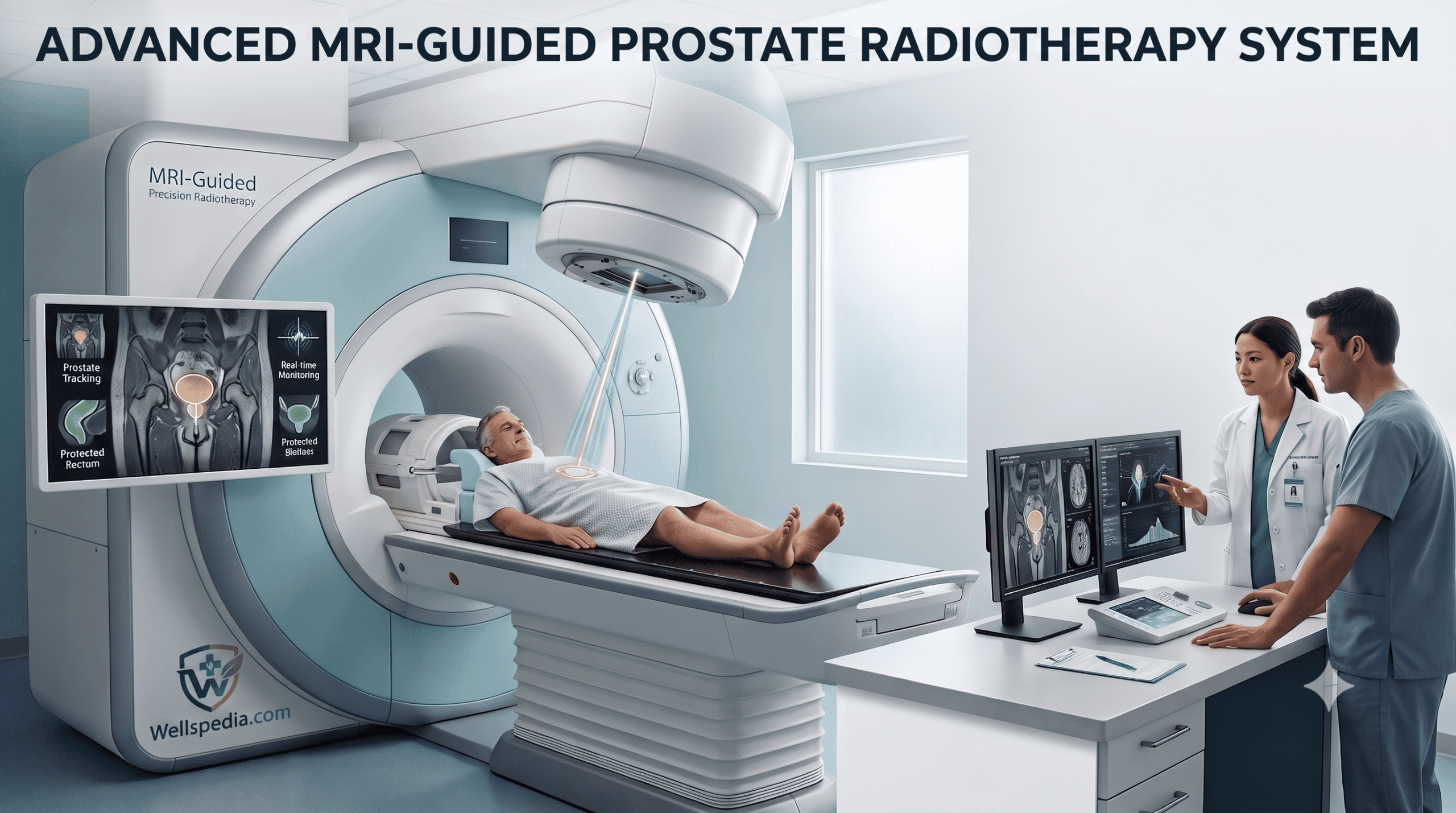
3. Radiation Therapy
Radiation therapy uses high-energy beams to damage cancer cells while minimizing harm to healthy tissues.
Types of Radiation Therapy
External Beam Radiation
This is the most common type and delivers radiation from a machine outside the body.
Internal Radiation (Brachytherapy)
Radioactive material is placed inside or near the tumor.
Benefits
Radiation therapy may:
-
Shrink tumors
-
Destroy remaining cancer cells after surgery
-
Relieve pain
-
Improve quality of life
-
Lower recurrence risk
Side Effects
Depending on the treatment area, patients may experience:
-
Skin irritation
-
Fatigue
-
Dry mouth
-
Difficulty swallowing
-
Temporary hair loss in treated areas
Fortunately, these effects usually improve after treatment ends.
4. Immunotherapy
Immunotherapy helps the body’s immune system recognize and attack cancer cells.
Unlike chemotherapy, it strengthens natural defenses instead of directly destroying cells.
Immunotherapy May Be Used For
-
Melanoma
-
Lung cancer
-
Kidney cancer
-
Bladder cancer
-
Head and neck cancers
-
Certain blood cancers
Benefits
-
Long-lasting responses in some patients
-
Targets cancer more precisely
-
May have fewer long-term side effects
Possible Side Effects
Patients may develop:
-
Skin rash
-
Fatigue
-
Fever
-
Joint pain
-
Inflammation affecting healthy organs
Consequently, close monitoring is essential during treatment.
5. Targeted Therapy
Targeted therapy blocks specific proteins or genetic mutations that help cancer grow.
Because these medicines target cancer cells more precisely, they often cause fewer side effects than traditional chemotherapy.
Targeted therapy is commonly used for:
-
Breast cancer
-
Lung cancer
-
Leukemia
-
Colorectal cancer
-
Kidney cancer
6. Hormone Therapy
Some cancers rely on hormones to grow.
Hormone therapy blocks or lowers hormone levels to slow cancer growth.
It is commonly used for:
-
Breast cancer
-
Prostate cancer
Doctors may recommend hormone therapy before surgery, after surgery, or alongside other treatments.
7. Stem Cell Transplant
Stem cell transplantation replaces damaged bone marrow with healthy blood-forming stem cells.
This treatment is often recommended for:
-
Leukemia
-
Lymphoma
-
Multiple myeloma
Recovery may take several months, and careful infection prevention is essential during this period.
Personalized Cancer Treatment
No two patients are exactly alike.
Therefore, doctors consider:
-
Cancer type
-
Cancer stage
-
Age
-
Medical history
-
Genetic testing
-
Overall health
-
Treatment goals
As a result, personalized treatment plans often lead to better outcomes and improved quality of life.
Managing Treatment Side Effects
Although cancer treatment can be challenging, supportive care helps patients remain comfortable and continue therapy successfully.
Managing Fatigue
Fatigue is one of the most common side effects.
Helpful strategies include:
-
Getting adequate sleep
-
Taking short rest breaks
-
Walking regularly
-
Eating nutritious meals
-
Drinking enough fluids
Managing Nausea
Nausea can interfere with eating and recovery.
Patients should:
-
Eat smaller meals
-
Choose bland foods
-
Avoid greasy meals
-
Stay hydrated
-
Take prescribed anti-nausea medications
Managing Hair Loss
Hair loss can be emotionally difficult.
Fortunately, it is often temporary.
Many patients choose:
-
Scarves
-
Hats
-
Wigs
-
Cooling caps (when appropriate)
Hair usually begins growing again several weeks after chemotherapy ends.
Mouth Care
Cancer treatment may cause painful mouth sores.
Patients should:
-
Brush gently
-
Use alcohol-free mouthwash
-
Drink plenty of water
-
Avoid spicy foods
-
Report severe sores to their healthcare provider
Preventing Infections
Some treatments reduce white blood cell counts.
Therefore, patients should:
-
Wash hands frequently
-
Avoid crowded places during periods of low immunity
-
Cook food thoroughly
-
Wear a mask if recommended
-
Contact a doctor immediately if fever develops
Nutrition During Cancer Treatment
Nutrition plays a major role in recovery.
A balanced diet helps patients:
-
Maintain muscle strength
-
Improve immunity
-
Heal tissues
-
Reduce fatigue
-
Support treatment tolerance
Foods to Include
Healthcare professionals often recommend:
Fruits
-
Apples
-
Berries
-
Bananas
-
Oranges
Vegetables
-
Broccoli
-
Spinach
-
Carrots
-
Sweet potatoes
Protein Sources
-
Chicken
-
Fish
-
Eggs
-
Beans
-
Lentils
-
Tofu
Whole Grains
-
Brown rice
-
Oatmeal
-
Whole wheat bread
-
Quinoa
Healthy Fats
-
Olive oil
-
Avocados
-
Almonds
-
Walnuts
Foods to Limit
Patients should reduce:
-
Sugary drinks
-
Highly processed foods
-
Processed meats
-
Excess alcohol
-
Fried foods
Additionally, people with weakened immune systems should follow food safety guidelines to lower the risk of infection.
Staying Hydrated
Hydration supports nearly every body function.
Cancer patients should drink enough fluids unless advised otherwise by their healthcare provider.
Healthy choices include:
-
Water
-
Soups
-
Herbal teas
-
Milk
-
Electrolyte drinks (when needed)
Proper hydration may reduce fatigue, constipation, and dehydration during treatment.
Exercise During Cancer Treatment
Although rest is important, regular physical activity often improves recovery.
Exercise may:
-
Increase energy
-
Improve sleep
-
Reduce anxiety
-
Maintain muscle strength
-
Support heart health
Suitable activities include:
-
Walking
-
Stretching
-
Yoga
-
Cycling
-
Light resistance exercises
Patients should always discuss exercise plans with their healthcare team before starting.
Home Cancer Care Tips
Family members and caregivers play an important role throughout treatment.
Helpful home care includes:
-
Giving medications on time
-
Preparing nutritious meals
-
Encouraging hydration
-
Keeping appointments organized
-
Monitoring side effects
-
Providing emotional support
-
Maintaining a clean environment
-
Preventing infections
Furthermore, open communication helps caregivers recognize concerns early and seek medical advice when needed.
Emotional Well-Being During Treatment
Cancer affects more than the body.
Many patients experience:
-
Anxiety
-
Fear
-
Depression
-
Stress
-
Loneliness
Fortunately, emotional support can significantly improve quality of life.
Helpful resources include:
-
Counseling
-
Support groups
-
Family discussions
-
Relaxation techniques
-
Meditation
-
Prayer or spiritual care
-
Professional mental health servicesv
Cancer Recovery and Survivorship
Completing cancer treatment is a major milestone. However, recovery often continues for months or even years. During this period, patients focus on rebuilding strength, managing long-term side effects, and returning to daily activities.
Furthermore, every survivor’s journey is unique. While some people recover quickly, others may need ongoing rehabilitation and medical support. Therefore, regular communication with healthcare providers remains essential.
Recovery plans commonly include:
-
Routine medical checkups
-
Physical rehabilitation
-
Nutritional counseling
-
Mental health support
-
Pain management
-
Lifestyle modifications
-
Screening for cancer recurrence
Additionally, family members and caregivers continue to play an important role during survivorship.
Follow-Up Care After Cancer Treatment
Even after successful treatment, follow-up care remains essential.
Regular appointments help healthcare providers:
-
Monitor for cancer recurrence
-
Detect new cancers early
-
Manage treatment-related side effects
-
Assess emotional well-being
-
Review medications
-
Encourage healthy lifestyle habits
Depending on the type of cancer, follow-up visits may include:
-
Physical examinations
-
Blood tests
-
CT scans
-
MRI scans
-
PET scans
-
Mammograms
-
Colonoscopy
-
Other recommended screening tests
Consequently, patients should never skip scheduled appointments, even if they feel healthy.
Understanding Palliative Care
Many people mistakenly believe that palliative care is only for end-of-life situations. In reality, it can begin at any stage of cancer.
Palliative care focuses on improving quality of life by relieving symptoms such as:
-
Pain
-
Nausea
-
Fatigue
-
Anxiety
-
Depression
-
Shortness of breath
-
Sleep problems
Moreover, palliative care works alongside curative treatments like chemotherapy, radiation therapy, or surgery.
Hospice Care
Hospice care is recommended when cancer can no longer be controlled and treatment is no longer intended to cure the disease.
Instead, hospice care focuses on:
-
Comfort
-
Dignity
-
Pain relief
-
Emotional support
-
Spiritual care
-
Family support
Importantly, hospice teams help patients live as comfortably as possible during advanced illness.
Can Cancer Be Prevented?
Although not every cancer can be prevented, healthy lifestyle choices can significantly reduce the risk.
Experts recommend:
Avoid Tobacco
Smoking remains one of the biggest preventable causes of cancer.
Quitting tobacco at any age provides health benefits.
Eat a Healthy Diet
Choose foods rich in nutrients, including:
-
Fruits
-
Vegetables
-
Whole grains
-
Beans
-
Fish
-
Lean proteins
At the same time, limit processed foods, sugary drinks, and processed meats.
Stay Physically Active
Aim for at least 150 minutes of moderate exercise each week.
Regular activity helps maintain a healthy weight and lowers the risk of several cancers.
Maintain a Healthy Weight
Obesity increases the risk of multiple cancers, including breast, colorectal, kidney, and pancreatic cancer.
Even modest weight loss may improve overall health.
Protect Your Skin
Reduce exposure to harmful ultraviolet (UV) rays by:
-
Wearing sunscreen
-
Using protective clothing
-
Seeking shade during peak sunlight hours
-
Avoiding tanning beds
Get Recommended Vaccinations
Certain infections increase cancer risk.
Vaccinations may help prevent cancers linked to:
-
Human papillomavirus (HPV)
-
Hepatitis B virus (HBV)
Discuss vaccination recommendations with your healthcare provider.
Attend Routine Screenings
Regular screening can detect certain cancers before symptoms develop.
Depending on your age and risk factors, your healthcare provider may recommend:
-
Mammograms
-
Colonoscopy
-
Pap tests
-
HPV testing
-
Low-dose CT scans
-
Prostate screening (for appropriate individuals)
Early detection often improves treatment outcomes.
Living Well After Cancer
Life after cancer often involves adopting healthier habits.
Helpful strategies include:
-
Eating balanced meals
-
Exercising regularly
-
Sleeping 7–9 hours each night
-
Managing stress
-
Avoiding tobacco
-
Limiting alcohol
-
Staying socially connected
-
Keeping follow-up appointments
-
Reporting new symptoms promptly
Furthermore, joining a cancer survivor support group may provide encouragement and practical advice.
Frequently Asked Questions (FAQs)
What is cancer care?
Cancer care includes medical treatment, symptom management, nutrition, rehabilitation, emotional support, and long-term follow-up for people diagnosed with cancer.
Is cancer always curable?
No. Some cancers can be cured, especially when detected early. Others may be managed successfully for many years with modern treatments.
What is the best diet during cancer treatment?
A balanced diet that includes fruits, vegetables, whole grains, lean proteins, and healthy fats generally supports recovery. However, nutritional needs vary, so patients should seek individualized advice from a registered dietitian or healthcare provider.
Can exercise help cancer patients?
Yes. Light to moderate exercise, when approved by a healthcare provider, may improve energy levels, muscle strength, mood, sleep quality, and overall recovery.
Why is emotional support important?
Cancer affects emotional well-being as well as physical health. Counseling, support groups, family involvement, and mental health services can help patients cope with stress, anxiety, and depression.
How often should cancer survivors see their doctor?
Follow-up schedules depend on the type of cancer, treatment received, and individual health needs. Patients should follow the plan recommended by their oncology team.
Conclusion
Cancer care extends far beyond treating the disease itself. It combines medical expertise, emotional support, proper nutrition, rehabilitation, and long-term follow-up to help patients achieve the best possible quality of life.
Moreover, advances in surgery, chemotherapy, radiation therapy, immunotherapy, and targeted treatments continue to improve outcomes for many people living with cancer. At the same time, healthy lifestyle choices and routine screenings play an essential role in prevention and early detection.
Although every cancer journey is different, timely medical care, a strong support system, and informed decision-making can make a meaningful difference. If you or a loved one has concerns about cancer symptoms or treatment, consult a qualified healthcare professional for personalized guidance.
Key Takeaways
-
Comprehensive cancer care addresses physical, emotional, nutritional, and psychological needs.
-
Early diagnosis and regular screening improve the chances of successful treatment.
-
Treatment plans are personalized based on cancer type, stage, and overall health.
-
Healthy eating, physical activity, and emotional support contribute to better recovery.
-
Lifelong follow-up care helps detect recurrence and manage long-term health.
Medical Disclaimer
This article is for informational and educational purposes only. It should not be used as a substitute for professional medical advice, diagnosis, or treatment. Always consult a qualified healthcare provider regarding any symptoms, medical concerns, or treatment decisions.