Early Signs of Heart Attack You Should Never Ignore
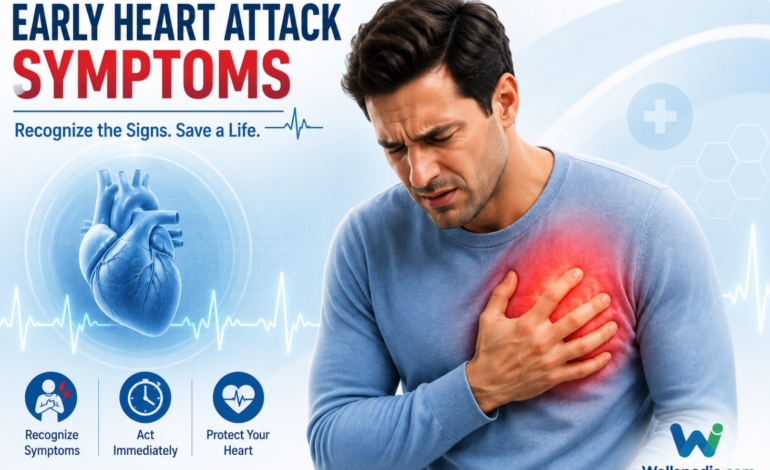
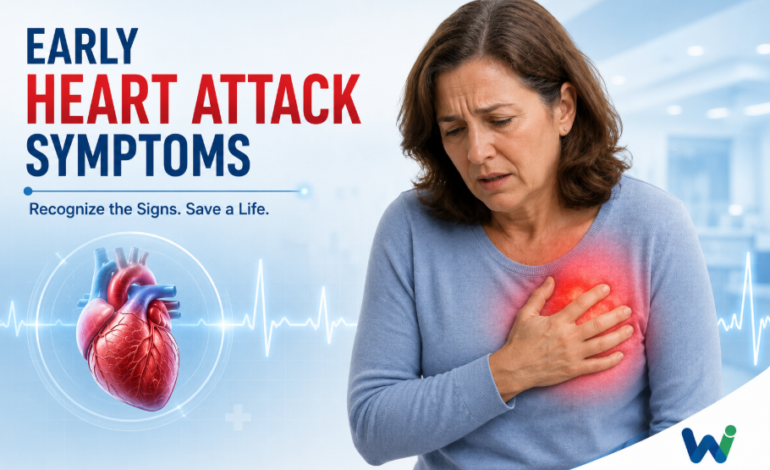
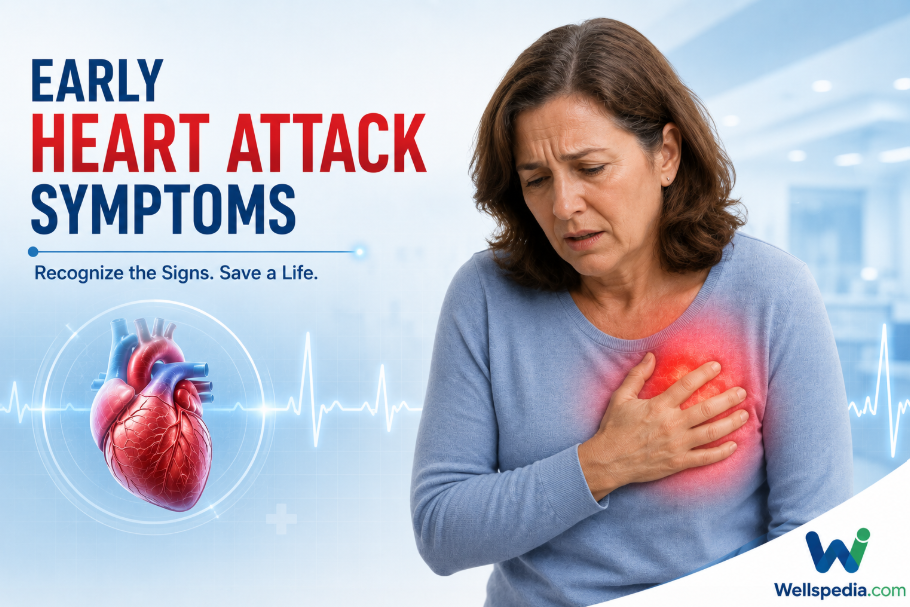
A heart attack is one of the leading causes of death worldwide, but many people don’t realize that warning symptoms often begin hours, days, or even weeks before the actual attack. Recognizing these early signs of a heart attack and seeking medical attention quickly can significantly improve the chances of survival and reduce permanent damage to the heart.
Unfortunately, not every heart attack starts with sudden, severe chest pain. Some people experience mild or unusual symptoms that are easy to overlook, especially women, older adults, and people with diabetes. Knowing what to watch for can make all the difference.
What Is a Heart Attack?
A heart attack, also known as myocardial infarction, occurs when blood flow to part of the heart muscle is blocked. This blockage is usually caused by a buildup of fatty deposits (plaque) in the coronary arteries. If the blood supply is cut off for too long, part of the heart muscle begins to die due to lack of oxygen.
A heart attack is a medical emergency. Immediate treatment helps restore blood flow, reduce damage to the heart, and improve the chances of recovery.
15 Early Signs of a Heart Attack
1. Chest Pain or Pressure
The most common warning sign is discomfort in the center or left side of the chest. It may feel like pressure, squeezing, heaviness, burning, or tightness. The pain may come and go or last for several minutes.
2. Shortness of Breath
Difficulty breathing can occur before or during a heart attack. Some people experience breathlessness even while resting or performing simple daily activities.
3. Pain Spreading to Other Areas
Pain may radiate to the left arm, both arms, shoulders, neck, jaw, upper back, or stomach. This symptom is common but not always present.
4. Unusual Fatigue
Extreme tiredness without a clear reason, especially if it lasts for several days, can be an early warning sign. Women commonly report this symptom.
5. Cold Sweats
Sudden sweating, especially cold and clammy skin, may indicate that the heart is under stress.
6. Nausea or Vomiting
Some people feel sick to their stomach before a heart attack. These symptoms are more frequently seen in women.
7. Dizziness
Feeling lightheaded, faint, or dizzy may occur because the heart is unable to pump enough blood.
8. Indigestion or Heartburn
Heart attack pain is sometimes mistaken for acid reflux or indigestion.
9. Anxiety
Some people experience an unexplained feeling of fear or impending doom before a heart attack.
10. Irregular Heartbeat
Palpitations or an unusually fast heartbeat can sometimes occur before a heart attack.
11. Pain Between the Shoulder Blades
This symptom is more common in women.
12. Jaw Pain
Pain in the jaw, especially on the left side, can indicate reduced blood flow to the heart.
13. Upper Back Pain
Persistent upper back pain without injury should not be ignored.
14. Weakness
Sudden weakness or difficulty performing routine tasks may indicate reduced blood flow.
15. Symptoms That Come and Go
Some people notice mild symptoms that disappear and return later. These should never be ignored.
Symptoms in Women
Women often experience symptoms that differ from the classic chest pain.
These may include:
- Extreme fatigue
- Nausea
- Back pain
- Jaw pain
- Shortness of breath
- Lightheadedness
- Sleep disturbances
Symptoms in Men
Men are more likely to experience:
- Severe chest pain
- Left arm pain
- Heavy sweating
- Shortness of breath
- Chest pressure
Who Is at Higher Risk?
You may have a higher chance of developing heart disease if you have:
- High blood pressure
- High cholesterol
- Diabetes
- Obesity
- Smoking habit
- Family history of heart disease
- Physical inactivity
- Chronic stress
- Age above 45 (men) or 55 (women)
When Should You Call Emergency Services?
Seek emergency medical care immediately if you experience:
- Chest pain lasting more than a few minutes
- Pain spreading to the arm, jaw, or back
- Difficulty breathing
- Sudden sweating
- Fainting
- Severe dizziness
Do not try to drive yourself to the hospital if symptoms are severe. Call your local emergency medical services immediately.
How Can You Reduce Your Risk?
Healthy lifestyle habits can significantly lower your risk of heart disease:
- Eat a heart-healthy diet rich in fruits, vegetables, whole grains, and lean protein.
- Exercise for at least 150 minutes each week.
- Maintain a healthy weight.
- Quit smoking and avoid tobacco products.
- Limit alcohol intake.
- Keep blood pressure, cholesterol, and blood sugar under control.
- Get regular health check-ups.
Frequently Asked Questions
Can a heart attack happen without chest pain?
Yes. Some people, especially women, older adults, and individuals with diabetes, may have little or no chest pain. They may instead experience fatigue, nausea, shortness of breath, or back pain.
What is the first symptom of a heart attack?
Chest discomfort is the most common first symptom, but it can also begin with unusual fatigue, breathlessness, or pain in the jaw, neck, or back.
Can stress trigger a heart attack?
Severe emotional or physical stress can increase the risk of a heart attack, particularly in people with underlying heart disease.
How long do warning signs last before a heart attack?
Symptoms may appear suddenly or develop gradually over several hours, days, or even weeks. Persistent or recurring symptoms should always be evaluated by a healthcare professional.
Conclusion
Recognizing the early signs of a heart attack can save lives. While chest pain is the most well-known symptom, many people experience less obvious warning signs such as unusual fatigue, shortness of breath, jaw pain, or nausea. Never ignore symptoms that are severe, persistent, or unusual—seeking immediate medical care can reduce heart damage and improve outcomes.
Medical Disclaimer: This article is for educational purposes only and should not replace professional medical advice. If you think you or someone else may be having a heart attack, seek emergency medical care immediately.