Bowel Health: Facts vs Myths
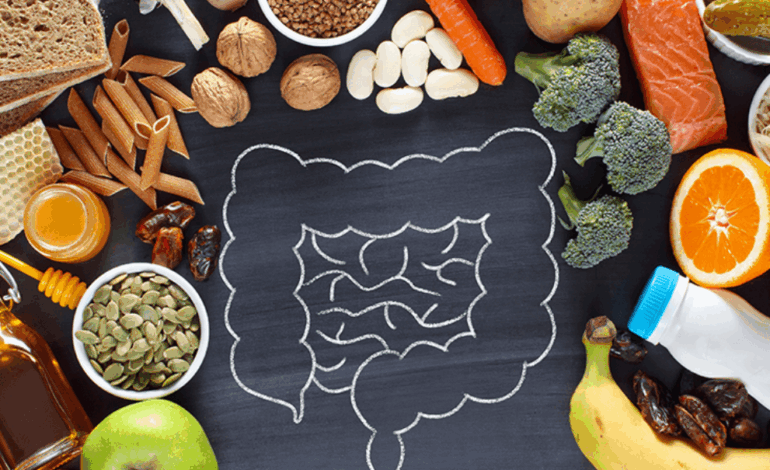
Bowel habits are closely linked to overall health, yet they are often misunderstood. Digestion influences energy levels, immunity, mood, and daily comfort. Unfortunately, misinformation, social stigma, and confusing advice can make it hard to know what is truly normal. This article breaks down common bowel-related myths and explains the facts in a clear, science-based, and easy-to-understand way.
Understanding Normal Bowel Habits
Myth: A Healthy Person Must Pass Stool Every Day
Fact: There is no single “normal” frequency.
Healthy bowel patterns vary from person to person. Passing stool anywhere between three times a day and three times a week can be completely normal. What matters most is consistency, ease of passing stool, and the absence of alarming symptoms.
Daily bowel movements are not required to remove toxins. The liver and kidneys continuously filter waste, while the colon simply manages stool elimination. Changes in stress, hydration, fiber intake, hormones, medications, or travel can all affect bowel frequency without indicating disease.
Myth: Bloating Always Means Overeating or Poor Digestion
Fact: Bloating is common and often harmless.
A bloated feeling does not automatically mean digestive weakness. Common causes include:
- Normal gas production by gut bacteria
- Eating too quickly or swallowing air
- Hormonal changes, especially around menstruation
- Stress or anxiety
- High-fiber foods or fizzy drinks
- Mild constipation
- Food sensitivities such as lactose or certain carbohydrates
In many cases, bloating is simply part of normal digestive activity.
Myth: Any Bowel Problem Signals a Serious Disease
Fact: Most bowel symptoms are mild and lifestyle-related.
Occasional constipation, diarrhea, or irregularity is usually linked to diet, hydration, stress, sleep changes, medications, or routine disruptions. Serious conditions such as inflammatory bowel disease or colorectal cancer are far less common.
Seek medical care if symptoms include:
- Blood in stool
- Persistent vomiting
- Unexplained weight loss
- Ongoing or severe abdominal pain
- Long-lasting changes in bowel habits
- Anemia or fatigue
Without these warning signs, most bowel changes are manageable and not dangerous.
Constipation: Clearing Common Misconceptions
Myth: Constipation Is Only Caused by Low Fiber Intake
Fact: Many factors influence constipation.
While fiber is important, constipation may also result from:
- Inadequate fluid intake
- Physical inactivity
- Ignoring the urge to use the bathroom
- Medications such as iron supplements, painkillers, or antidepressants
- Medical conditions like diabetes, thyroid disorders, IBS, or neurological diseases
Addressing hydration, activity level, and bowel routine is just as important as increasing fiber.
Myth: Daily Use of Laxatives Is Good for Bowel Health
Fact: Regular laxative use can be harmful.
Although laxatives may offer short-term relief, long-term or frequent use can weaken natural bowel function, cause electrolyte imbalances, and hide underlying issues.
Healthier approaches include:
- Eating a balanced, fiber-rich diet
- Drinking enough fluids
- Staying physically active
- Establishing regular bathroom habits
Laxatives should be used only occasionally or under medical supervision.
Diarrhea Myths Explained
Myth: Diarrhea Should Always Be Stopped Immediately
Fact: Sometimes diarrhea helps the body recover.
Diarrhea can be the body’s way of removing irritants or infections. Stopping it too quickly with medication may prolong illness or trap harmful bacteria.
Most mild cases improve within a few days. The priority should be fluid and electrolyte replacement, rest, and monitoring symptoms. Anti-diarrheal medicines are best reserved for specific situations or medical advice.
Myth: Diarrhea Only Comes From Infection
Fact: There are many possible causes.
Diarrhea may be triggered by:
- Food intolerances (such as lactose)
- Medications, including antibiotics
- Digestive conditions like IBS or IBD
- Stress and anxiety
- Excess sugar, caffeine, or artificial sweeteners
Identifying the cause is essential for proper treatment.
Myth: All Diarrhea Is the Same
Fact: Different types require different care.
- Acute diarrhea: Short-term, often infectious
- Chronic diarrhea: Lasts weeks or months, often linked to digestive disorders
- Osmotic diarrhea: Due to malabsorption (e.g., lactose intolerance)
- Secretory diarrhea: Caused by infections or medications
- Inflammatory diarrhea: Associated with conditions like Crohn’s disease or ulcerative colitis
Understanding the type helps determine whether home care or medical evaluation is needed.
Fiber and Diet Myths
Myth: More Fiber Is Always Better
Fact: Balance matters.
Fiber supports digestion, but increasing intake too quickly can cause gas, bloating, or cramps. Gradual increases and adequate hydration are key.
Myth: All Fiber Works the Same Way
Fact: Different fibers have different roles.
- Soluble fiber (oats, beans, fruits) helps manage diarrhea and cholesterol
- Insoluble fiber (whole grains, vegetables) promotes regular bowel movements
Individual tolerance varies, especially in conditions like IBS.
Myth: Gluten-Free Diets Are Healthier for Everyone
Fact: Gluten is safe for most people.
Only individuals with celiac disease, wheat allergy, or gluten sensitivity need to avoid gluten. For others, whole grains often provide more fiber and nutrients than gluten-free alternatives.
Myth: Beans and Lectins Cause “Leaky Gut”
Fact: Properly prepared beans are safe and nutritious.
Cooking, soaking, or fermenting destroys harmful lectins. There is no solid evidence that normal consumption damages the gut. These foods actually support gut health through fiber and plant protein.
Myth: Nuts and Popcorn Cause Diverticulitis
Fact: This belief is outdated.
Research shows nuts, seeds, and popcorn do not increase diverticulitis risk and can be part of a healthy diet unless otherwise advised by a doctor.
Myth: Spicy Foods and Coffee Damage the Gut
Fact: They do not harm healthy intestines.
While they may trigger discomfort in sensitive individuals, they do not cause permanent damage. Personal tolerance and moderation are key.
Probiotics and Gut Supplements
Myth: All Probiotics Work for Everyone
Fact: Probiotic effects depend on the strain and condition.
Some probiotics help after antibiotics or with IBS, while others may have little effect. Benefits are strain-specific and often temporary unless supported by diet and lifestyle.
Prebiotics—fibers that feed healthy gut bacteria—play an important role in long-term gut balance.
Myth: All Probiotics Affect Bowel Health the Same Way
Fact: Different strains serve different purposes.
Some strains support immunity, others help bloating or stool consistency. A tailored approach works better than a one-size-fits-all supplement.
Detox and Cleansing Myths
Myth: Colon Cleanses Are Necessary for Gut Health
Fact: The body detoxifies naturally.
The liver, kidneys, lungs, and gut already eliminate waste efficiently. Detox diets or colon cleanses are unnecessary and may cause dehydration or electrolyte imbalance.
Myth: Toxins Build Up in the Colon and Cause Disease
Fact: This theory lacks scientific support.
The colon processes waste effectively, and there is no evidence that retained stool causes systemic illness in healthy individuals.
Myth: Detox Products Lead to Real Weight Loss or Energy Boosts
Fact: Effects are temporary.
Any weight loss is usually water loss, not fat reduction. Sustainable health comes from balanced nutrition, hydration, exercise, and sleep—not cleanses.
Disease-Related Myths
Myth: Colorectal Cancer Only Affects Older Adults
Fact: It can occur at younger ages.
While risk increases with age, cases in people under 50 are rising. Awareness of symptoms and appropriate screening is important for everyone.
Myth: IBS Is “All Psychological”
Fact: IBS is a real medical condition.
IBS involves altered gut motility, sensitivity, and gut-brain communication. Stress can worsen symptoms, but the condition is physical and treatable.
Practical Tips for a Healthy Bowel
Diet
- Increase fiber gradually and balance soluble and insoluble sources
- Stay well hydrated
- Moderate high-fat foods if diarrhea is an issue
- During diarrhea, prioritize fluids and simple, easy-to-digest foods
Lifestyle
- Exercise regularly
- Manage stress
- Maintain good sleep habits
Frequently Asked Questions
Can the flu cause diarrhea?
Yes. Influenza can sometimes cause gastrointestinal symptoms, especially in children, and usually resolves as the infection clears.
What tests help evaluate bowel health?
Stool tests, blood tests, breath tests, colonoscopy, and imaging studies can help identify infections, inflammation, intolerances, or structural problems.
Are herbal colon cleanses safe?
Occasional use may help constipation, but frequent use can cause dependence, irritation, and dehydration. Medical advice is recommended.
Are bowel flush drinks safe?
They are generally not recommended and may disrupt normal gut function. Long-term bowel health relies on diet, hydration, and routine—not detox products.
Finding Expert Care
If you are looking for trusted gastroenterology doctors or healthcare providers worldwide, professional medical search platforms can help connect you with specialists suited to your needs.