Fasting Blood Sugar Chart: Normal, Prediabetes, and Diabetes Ranges Explained
Introduction
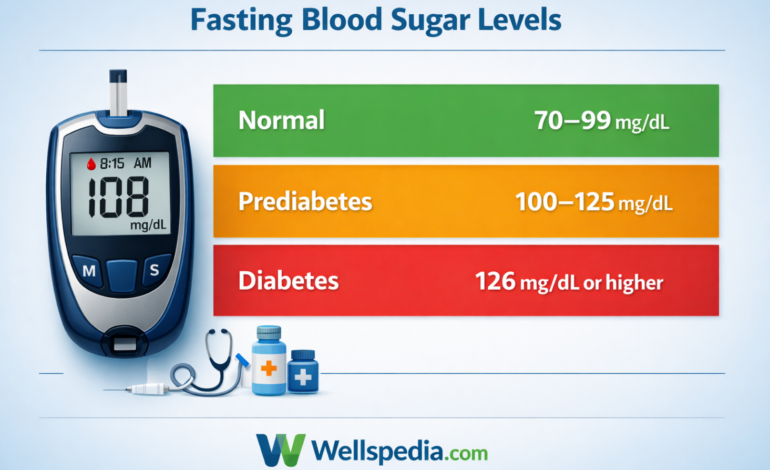
Fasting Blood Sugar Chart helps you understand whether your blood glucose levels are normal, in the prediabetes range, or indicate diabetes. A fasting blood sugar test is performed after at least 8 hours without food and is one of the most important tests for monitoring blood sugar health. Understanding the fasting blood sugar chart can help you detect problems early and take steps to maintain healthy glucose levels.
What Is a Fasting Blood Sugar Test?
A fasting blood sugar (FBS) test measures blood glucose levels after an overnight fast. Since food can temporarily raise blood sugar, fasting provides a clearer picture of how your body manages glucose naturally.
Doctors often recommend this test for:
- Diabetes screening
- Monitoring diabetes treatment
- Evaluating insulin resistance
- Identifying prediabetes
Fasting Blood Sugar Chart
| Fasting Blood Sugar Level | Result |
|---|---|
| Below 70 mg/dL | Low Blood Sugar (Hypoglycemia) |
| 70–99 mg/dL | Normal |
| 100–125 mg/dL | Prediabetes |
| 126 mg/dL or Higher | Diabetes |
Note: A diabetes diagnosis usually requires confirmation through repeat testing unless symptoms are clearly present.
Fasting Blood Sugar Chart by Category
Normal Blood Sugar
A fasting blood sugar level between 70 and 99 mg/dL is considered healthy.
People within this range generally have normal insulin function and glucose regulation.
Prediabetes
Levels between 100 and 125 mg/dL indicate prediabetes.
Prediabetes means blood sugar is higher than normal but not high enough for a diabetes diagnosis.
Without lifestyle changes, many individuals with prediabetes eventually develop type 2 diabetes.
Diabetes
A fasting blood sugar level of 126 mg/dL or higher may indicate diabetes.
Common symptoms include:
- Increased thirst
- Frequent urination
- Fatigue
- Blurred vision
- Unexplained weight loss
Why Is Fasting Blood Sugar Important?
High blood sugar often develops gradually and may not cause symptoms during the early stages.
Regular testing helps:
- Detect diabetes early
- Prevent complications
- Monitor treatment effectiveness
- Improve long-term health outcomes
Causes of High Fasting Blood Sugar
Several factors can contribute to elevated fasting glucose levels:
1. Insulin Resistance
When cells stop responding effectively to insulin, glucose remains in the bloodstream.
2. Type 2 Diabetes
The body either does not produce enough insulin or cannot use it properly.
3. Poor Diet
Frequent consumption of sugary foods and refined carbohydrates can increase blood sugar levels.
4. Lack of Physical Activity
Regular exercise helps muscles use glucose more efficiently.
5. Stress
Stress hormones can trigger increased glucose production.
6. Certain Medications
Some medications may affect blood sugar control.
Causes of Low Fasting Blood Sugar
Blood sugar below 70 mg/dL may occur because of:
- Skipping meals
- Excess insulin use
- Certain medications
- Excessive alcohol intake
- Hormonal disorders
Symptoms may include:
- Sweating
- Dizziness
- Shaking
- Hunger
- Confusion
How to Lower Fasting Blood Sugar Naturally
Follow a Balanced Diet
Focus on:
- Vegetables
- Lean proteins
- Whole grains
- Healthy fats
Limit:
- Sugary beverages
- White bread
- Processed snacks
Exercise Regularly
Aim for at least 150 minutes of moderate exercise per week.
Activities may include:
- Walking
- Cycling
- Swimming
- Jogging
Maintain a Healthy Weight
Weight loss can significantly improve insulin sensitivity.
Sleep Well
Poor sleep can negatively affect blood sugar regulation.
Stay Hydrated
Drinking enough water helps the body eliminate excess glucose.
Foods That Help Control Blood Sugar
Some foods may support healthy glucose levels:
- Leafy green vegetables
- Oats
- Lentils
- Beans
- Nuts
- Chia seeds
- Greek yogurt
- Fatty fish
When Should You Get Tested?
You should consider a fasting blood sugar test if you:
- Are overweight
- Have a family history of diabetes
- Have high blood pressure
- Have PCOS
- Are over age 35
- Experience symptoms of high blood sugar
Frequently Asked Questions (FAQs)
What is a normal fasting blood sugar level?
A normal fasting blood sugar level ranges from 70 to 99 mg/dL.
Is 110 fasting blood sugar normal?
No. A fasting blood sugar level of 110 mg/dL falls within the prediabetes range.
Is 126 fasting blood sugar considered diabetes?
Yes. A fasting blood sugar level of 126 mg/dL or higher may indicate diabetes if confirmed by repeat testing.
Can fasting blood sugar be reduced naturally?
Yes. Healthy eating, regular exercise, weight management, and adequate sleep can help lower fasting glucose levels.
How often should fasting blood sugar be checked?
People with diabetes may need regular monitoring, while others should follow their healthcare provider’s recommendations.
Conclusion
The fasting blood sugar chart is an important tool for understanding your risk of prediabetes and diabetes. Normal fasting glucose levels range from 70–99 mg/dL, while levels above this range may indicate prediabetes or diabetes.
Regular monitoring, healthy lifestyle choices, and early intervention can help maintain optimal blood sugar control and reduce the risk of long-term complications.