Understanding Dermatophagia: Causes, Symptoms, Treatment & More
Introduction
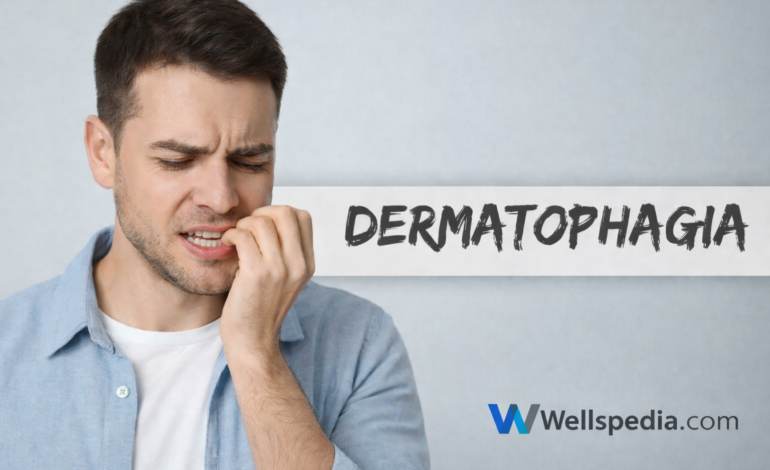
Many people occasionally bite their nails or pick at their skin when they feel nervous. However, when skin biting becomes repetitive, uncontrollable, and starts affecting daily life, it may be a condition known as dermatophagia.
Dermatophagia is a body-focused repetitive behavior (BFRB) in which a person repeatedly bites, chews, or gnaws at their own skin. Although it often begins as a habit, it can develop into a compulsive behavior that causes physical injuries, emotional distress, and social embarrassment.
This article explores the causes, symptoms, complications, diagnosis, and treatment options for dermatophagia, along with practical strategies for managing the condition.
What Is Dermatophagia?
Dermatophagia is a behavioral disorder characterized by compulsive skin biting. The condition most commonly affects the skin around the fingers, cuticles, knuckles, and lips, although other areas of the body may also be involved.
It belongs to a group of conditions known as Body-Focused Repetitive Behaviors (BFRBs), which include habits such as hair pulling, skin picking, and nail biting. Individuals with dermatophagia often experience a strong urge to bite their skin, especially during periods of stress, boredom, anxiety, or emotional tension.
Many people describe feeling temporary relief or satisfaction after engaging in the behavior, making it difficult to stop despite the negative consequences.
Is Dermatophagia Related to OCD?
Dermatophagia shares several characteristics with Obsessive-Compulsive Disorder (OCD) and is often grouped with OCD-related conditions.
While OCD typically involves intrusive thoughts followed by repetitive actions, dermatophagia centers more on an overwhelming urge to bite the skin. Some individuals may experience obsessive thoughts about imperfections in their skin, while others engage in the behavior automatically without conscious awareness.
Although the two conditions are distinct, they can coexist and may involve similar brain pathways related to impulse control and anxiety regulation.
What Causes Dermatophagia?
The exact cause of dermatophagia remains unclear. Researchers believe it develops through a combination of psychological, neurological, and environmental factors.
Common Causes and Triggers
Stress and Anxiety
Emotional stress is one of the most common triggers. Skin biting may serve as a coping mechanism that temporarily reduces feelings of tension.
Boredom or Restlessness
Some people engage in skin biting during idle moments, such as watching television, studying, or working.
Emotional Regulation Difficulties
Individuals who struggle to manage emotions may use repetitive behaviors to soothe themselves.
Underlying Mental Health Conditions
Dermatophagia may occur alongside conditions such as:
- Obsessive-compulsive disorder (OCD)
- Generalized anxiety disorder
- Depression
- Attention-deficit/hyperactivity disorder (ADHD)
- Body dysmorphic disorder
Sensory Triggers
Rough skin, hangnails, scabs, or skin imperfections may trigger an urge to bite or chew the affected area.
Risk Factors
Certain factors may increase the likelihood of developing dermatophagia:
- Family history of OCD or BFRBs
- Chronic stress or anxiety
- Perfectionist tendencies
- Low self-esteem
- Childhood behavioral habits
- Other repetitive behaviors such as nail biting
The condition often begins during adolescence but can affect people of any age.
Common Areas Affected
Dermatophagia can involve different parts of the body depending on the individual.
Fingers and Cuticles
This is the most frequently affected area. Repeated biting can lead to bleeding, soreness, and infection.
Knuckles and Hands
Constant chewing may cause thickened skin, calluses, and discoloration.
Lips
Lip biting can result in cracked, painful, or bleeding lips.
Inner Cheeks
Some individuals repeatedly bite the inside of their cheeks, leading to irritation and oral discomfort.
Signs and Symptoms of Dermatophagia
Symptoms vary from person to person but often include both physical and emotional signs.
Physical Symptoms
- Frequent skin biting or chewing
- Damaged skin around the fingers
- Bleeding or open wounds
- Thickened or hardened skin
- Scars and skin discoloration
- Swelling and tenderness
- Recurrent infections
Emotional Symptoms
- Strong urge to bite the skin
- Difficulty controlling the behavior
- Feelings of shame or embarrassment
- Anxiety before the behavior
- Temporary relief after biting
- Frustration when trying to stop
Potential Complications
Without proper management, dermatophagia can lead to several health problems.
Skin Infections
Open wounds create opportunities for bacteria to enter the skin and cause infections.
Permanent Scarring
Repeated damage can leave long-lasting scars or changes in skin texture.
Nail Damage
Chronic biting around the nails may affect nail growth and appearance.
Emotional Distress
Many individuals experience social anxiety, reduced confidence, and feelings of isolation.
Impact on Daily Life
Severe cases can interfere with work, school, relationships, and overall quality of life.
How Is Dermatophagia Diagnosed?
There is no single laboratory test used to diagnose dermatophagia. Healthcare professionals typically evaluate:
- Medical history
- Behavioral patterns
- Emotional triggers
- Frequency and severity of skin biting
- Associated mental health conditions
A psychologist, psychiatrist, or dermatologist may be involved in the diagnostic process.
Treatment Options for Dermatophagia
Successful treatment often combines behavioral therapy, self-care techniques, and management of underlying psychological conditions.
Cognitive Behavioral Therapy (CBT)
CBT is one of the most effective treatments for dermatophagia.
This therapy helps individuals:
- Identify triggers
- Recognize harmful thought patterns
- Develop healthier coping strategies
- Reduce compulsive behaviors
Over time, CBT can significantly improve self-control and emotional regulation.
Habit Reversal Training (HRT)
Habit Reversal Training is considered a first-line treatment for many BFRBs.
The process generally includes:
Awareness Training
Learning to recognize situations that trigger skin biting.
Competing Responses
Replacing skin biting with a healthier behavior, such as squeezing a stress ball.
Motivation Techniques
Building commitment to behavior change.
Skill Practice
Applying new coping skills in everyday situations.
Mindfulness and Relaxation Techniques
Practices such as meditation and deep breathing can help reduce stress and increase awareness of triggers.
Useful techniques include:
- Mindful breathing
- Progressive muscle relaxation
- Guided meditation
- Yoga
These approaches may decrease the urge to engage in repetitive behaviors.
Medication
There is currently no medication specifically approved for dermatophagia.
However, doctors may prescribe medications to address related conditions, including:
- Anxiety disorders
- Depression
- OCD symptoms
Medication is often most effective when combined with therapy.
Skin Care and Wound Management
Treating damaged skin is an important part of recovery.
Helpful measures include:
- Using moisturizing creams
- Applying antibiotic ointments when needed
- Protecting wounds with bandages
- Maintaining proper hand hygiene
These steps promote healing and reduce infection risk.
Self-Help Strategies for Managing Dermatophagia
Many individuals benefit from simple daily strategies that reduce opportunities for skin biting.
Keep Your Hands Occupied
Activities such as:
- Using fidget toys
- Holding stress balls
- Knitting
- Drawing
can redirect attention away from skin biting.
Identify Personal Triggers
Keeping a behavior journal can help uncover emotional or environmental triggers.
Maintain Healthy Nails and Skin
Regular grooming reduces rough edges and skin imperfections that may trigger biting.
Use Physical Barriers
Some people find success with:
- Gloves
- Adhesive bandages
- Finger covers
- Bitter-tasting nail products
Build a Support System
Friends, family members, therapists, and support groups can provide encouragement and accountability.
Emerging Therapies and Future Developments
Advancements in behavioral health technology are creating new possibilities for treating dermatophagia.
Teletherapy
Online counseling services improve access to mental health care from home.
Biofeedback
Biofeedback helps individuals monitor physical stress responses and develop better self-control.
Virtual Reality Therapy
Researchers are exploring virtual reality as a tool for reducing anxiety and modifying repetitive behaviors in controlled environments.
These approaches show promise but require further study.
Can Dermatophagia Be Prevented?
Although prevention is not always possible, early intervention can reduce severity and prevent complications.
Helpful preventive measures include:
- Managing stress effectively
- Seeking support for anxiety or OCD
- Practicing healthy coping mechanisms
- Maintaining awareness of repetitive habits
- Addressing symptoms early
Final Thoughts
Dermatophagia is more than a simple habit—it is a body-focused repetitive behavior that can affect both physical and emotional health. While the condition may be challenging, effective treatments are available. Behavioral therapies, stress-management techniques, proper skin care, and professional support can help individuals regain control and improve their quality of life.
If persistent skin biting is causing injury, distress, or interfering with daily activities, consulting a healthcare professional is an important step toward recovery.