Dopamine Detox: Does It Really Work? Benefits, Risks, and How to Do It Safely
Introduction
In today’s digital world, many people feel overwhelmed by constant notifications, social media scrolling, online entertainment, and other instant-gratification activities. As a result, the concept of a dopamine detox has gained widespread attention as a way to improve focus, boost productivity, and regain control over unhealthy habits.
Supporters believe that temporarily stepping away from highly stimulating activities can help the brain reset its reward system. However, there is also debate among experts about whether dopamine detoxing works as advertised.
This article explores what dopamine detox is, how dopamine affects the brain, potential benefits and risks, and practical ways to try it safely.
What Is a Dopamine Detox?
A dopamine detox, sometimes called dopamine fasting, involves taking a break from activities that provide frequent or intense rewards. The goal is not to eliminate dopamine but to reduce exposure to behaviors that may contribute to distraction, compulsive habits, or dependency.
Examples of activities people often avoid during a dopamine detox include:
- Social media use
- Video gaming
- Online shopping
- Binge-watching television
- Gambling
- Excessive smartphone use
- Compulsive snacking
The concept was popularized by psychologist Dr. Cameron Sepah, who described it as a behavioral strategy designed to help people become more aware of impulsive habits and make healthier choices.
Understanding Dopamine’s Role in the Brain
Dopamine is a neurotransmitter that helps nerve cells communicate with one another. It plays a major role in motivation, learning, movement, pleasure, and reward.
Whenever we accomplish a goal or enjoy a rewarding experience, dopamine is released. This chemical signal encourages us to repeat behaviors that our brain associates with positive outcomes.
Dopamine influences:
- Motivation and drive
- Learning and memory
- Mood regulation
- Decision-making
- Attention and focus
- Movement control
Contrary to popular belief, dopamine is not simply the “pleasure chemical.” Instead, it helps motivate us to pursue rewards and reinforces behaviors that the brain considers valuable.
When Dopamine Becomes a Problem
Dopamine itself is essential for healthy brain function. Problems arise when certain activities repeatedly trigger unusually large dopamine surges.
Highly stimulating activities such as gambling, excessive social media use, online gaming, or substance abuse can create powerful reward patterns. Over time, the brain may adapt by becoming less sensitive to dopamine.
As a result, individuals may require more stimulation to experience the same sense of satisfaction.
Signs of Excessive Dopamine Stimulation
Some people may experience:
- Increased impulsivity
- Restlessness
- Difficulty sleeping
- Irritability
- Heightened stress levels
- Constant craving for stimulation
Signs Associated with Reduced Dopamine Activity
Symptoms can include:
- Low motivation
- Poor concentration
- Mental fatigue
- Reduced enjoyment of activities
- Mood changes
- Brain fog
These symptoms do not always indicate a dopamine imbalance, but they can sometimes be associated with unhealthy reward-seeking behaviors.
Conditions Linked to Dopamine Dysregulation
Researchers have identified dopamine involvement in several neurological and psychiatric conditions, including:
- Parkinson’s disease
- ADHD
- Substance use disorders
- Depression
- Schizophrenia
- Bipolar disorder
- Obsessive-compulsive disorder (OCD)
- Restless legs syndrome
- Eating disorders
Because dopamine affects multiple brain systems, maintaining balance is important for both physical and mental health.
How Does a Dopamine Detox Work?
The basic idea behind dopamine detoxing is to reduce exposure to highly rewarding activities so that the brain becomes less dependent on constant stimulation.
Rather than “resetting” dopamine levels directly, the process may help people:
- Break unhealthy habits
- Reduce impulsive behavior
- Improve self-discipline
- Become more mindful of their actions
- Rebuild healthier routines
For example, someone who spends hours scrolling social media may discover that reducing screen time improves concentration and allows them to engage more fully in real-world activities.
Dopamine Detox Is Not About Eliminating Pleasure
One common misunderstanding is that dopamine detox requires avoiding all enjoyable activities.
This is not true.
Dopamine is released throughout the day during many healthy experiences, including:
- Exercise
- Reading
- Learning new skills
- Spending time with loved ones
- Listening to music
- Practicing hobbies
A healthy dopamine detox focuses on reducing excessive stimulation rather than removing all sources of enjoyment.
The goal is balance, not deprivation.
Potential Benefits of Dopamine Detox
Although scientific research specifically examining dopamine detox is limited, many people report positive lifestyle changes after reducing overstimulating behaviors.
Improved Focus
Fewer distractions may help improve concentration and mental clarity.
Better Productivity
Reducing time spent on low-value activities can create more time for meaningful tasks.
Increased Self-Control
People often become more aware of impulsive habits and develop stronger discipline.
Reduced Cravings
Breaking repetitive reward cycles may lessen the urge to constantly seek stimulation.
Improved Sleep Quality
Reducing screen exposure and digital engagement can support healthier sleep patterns.
Greater Mindfulness
Many individuals become more intentional about how they spend their time and energy.
Risks and Criticisms of Dopamine Detox
While moderate behavior changes can be beneficial, extreme dopamine detox practices may create problems.
Lack of Scientific Evidence
There is currently limited research directly proving that dopamine detox “resets” dopamine levels.
Many neuroscientists argue that the concept oversimplifies the brain’s reward system.
Risk of Excessive Restriction
Some people may attempt overly strict detoxes by avoiding technology, exercise, social interaction, or enjoyable activities altogether.
This approach can potentially lead to:
- Social isolation
- Anxiety
- Depression
- Low mood
- Fatigue
Not Suitable for Everyone
Individuals with mental health conditions or addiction disorders should seek professional guidance before making major lifestyle changes.
How to Try a Dopamine Detox Safely
A practical dopamine detox focuses on reducing harmful habits rather than eliminating all rewarding experiences.
1. Define Your Goal
Determine why you want to try a dopamine detox.
Common goals include:
- Reducing screen time
- Improving productivity
- Breaking unhealthy habits
- Enhancing focus
2. Identify Problem Behaviors
Pay attention to activities that consume excessive time or negatively affect your life.
Examples include:
- Endless social media scrolling
- Online gaming for hours
- Compulsive shopping
- Constant phone checking
3. Set a Realistic Time Frame
Choose a manageable period such as:
- One day
- A weekend
- One week
Longer detox periods may be appropriate depending on your goals.
4. Remove Temptations
Reduce easy access to distractions by:
- Turning off notifications
- Deleting unnecessary apps
- Creating phone-free zones
- Setting usage limits
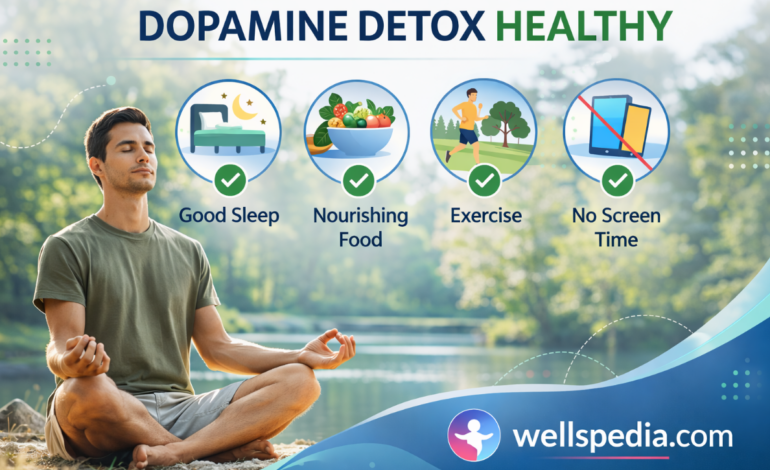
5. Replace Habits with Healthy Activities
Instead of simply removing stimulation, replace it with positive alternatives.
Good options include:
- Walking outdoors
- Exercise
- Meditation
- Reading
- Journaling
- Gardening
- Learning a new skill
These activities support long-term well-being while still providing healthy rewards.
When to Seek Professional Help
If you struggle with severe addiction, anxiety, depression, or compulsive behaviors, professional support is recommended.
A healthcare provider, psychologist, or therapist can help develop evidence-based strategies for improving mental health and managing unhealthy habits safely.
Professional guidance is particularly important if symptoms interfere with work, relationships, or daily functioning.
Final Thoughts
Dopamine detox has become a popular self-improvement trend aimed at reducing distractions and encouraging healthier habits. While the idea of completely “resetting” dopamine levels remains scientifically debated, taking a break from overstimulating behaviors may help many people regain focus, improve productivity, and develop greater self-awareness.
The most effective approach is not eliminating pleasure but creating a healthier balance between instant gratification and meaningful long-term rewards. When practiced sensibly, dopamine detox can serve as a useful tool for building healthier habits and improving overall well-being.