10+ Supplements That May Affect Blood Clotting: Risks, Side Effects, and Drug Interactions
Introduction
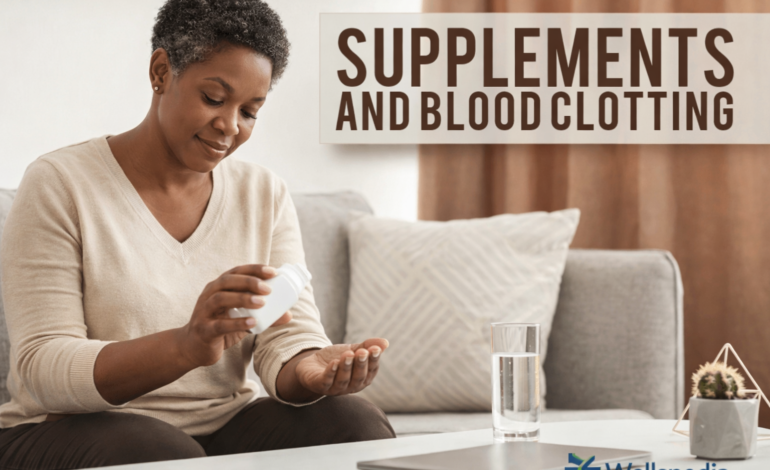
Dietary supplements are widely used to support heart health, immunity, joint function, and overall wellness. However, many people are unaware that certain vitamins, minerals, and herbal products can influence the body’s natural blood-clotting process.
While some supplements may help improve circulation, they can also increase the risk of excessive bleeding, especially when combined with prescription blood thinners such as warfarin, apixaban, rivaroxaban, or aspirin.
Understanding which supplements may affect clotting can help you make safer choices and avoid potentially dangerous interactions.
Understanding How Blood Clotting Works
Blood clotting, also known as coagulation, is the body’s natural defense mechanism against bleeding. When a blood vessel is injured, a series of chemical reactions activates clotting factors and platelets to form a protective clot.
This process helps:
- Stop bleeding after injury
- Repair damaged blood vessels
- Prevent excessive blood loss
- Protect the body from infection entering through wounds
The body also has built-in systems that prevent clots from becoming excessive. A healthy balance between clot formation and clot breakdown is essential for cardiovascular health.
Why Supplements Can Influence Blood Clotting
Many natural compounds contain substances that can:
- Reduce platelet aggregation
- Slow the formation of clotting factors
- Enhance clot breakdown
- Improve blood flow through vasodilation
- Affect vitamin K metabolism
These effects may be beneficial in some situations but can become problematic when combined with anticoagulant medications or before surgery.
Supplements That May Increase Bleeding Risk
1. Vitamin E
Vitamin E is a powerful antioxidant that supports immune and cardiovascular health. However, high doses may interfere with normal clot formation and enhance the effects of blood-thinning medications.
Potential Risks
- Increased bruising
- Nosebleeds
- Higher bleeding risk when combined with warfarin
- Possible interference with vitamin K activity
2. Omega-3 Fish Oil
Fish oil supplements are popular for heart and brain health. Omega-3 fatty acids may reduce platelet stickiness, making blood less likely to clot.
Potential Risks
- Increased bleeding tendency at high doses
- Greater risk when combined with other blood thinners
- Easy bruising in sensitive individuals
Moderate intake is generally considered safe for most healthy adults.
3. Selenium
Selenium is an essential trace mineral involved in antioxidant defense and immune function. Research suggests it may also influence clotting mechanisms.
Potential Risks
- Enhanced blood-thinning effects in high doses
- Possible interaction with anticoagulant medications
- Increased bleeding risk when combined with other supplements
4. Magnesium
Magnesium supports muscle function, blood pressure regulation, and nerve health. It may also affect platelet activity and blood vessel relaxation.
Potential Risks
- Mild anticoagulant effects
- Increased bleeding tendency when taken alongside blood-thinning drugs
- Potential interaction with multiple cardiovascular medications
5. Coenzyme Q10 (CoQ10)
CoQ10 is frequently used to support heart health and energy production. Some evidence suggests it may alter the effectiveness of anticoagulant therapy.
Potential Risks
- Interaction with warfarin
- Changes in clotting response
- Need for medical monitoring during use
6. L-Arginine
L-Arginine is an amino acid often used to improve blood flow and athletic performance.
Potential Risks
- Enhanced circulation and vessel dilation
- Increased bleeding tendency in some individuals
- Possible interaction with cardiovascular medications
Herbal Supplements That Can Thin the Blood
7. Ginkgo Biloba
Ginkgo is commonly used for memory and cognitive support.
Potential Risks
- Reduced platelet aggregation
- Increased bruising and bleeding
- Greater risk when used with aspirin or anticoagulants
8. Garlic Supplements
Garlic is well known for supporting heart health and cholesterol management.
Potential Risks
- Natural blood-thinning properties
- Increased surgical bleeding risk
- Potential interaction with anticoagulant medications
9. Ginger
Ginger is widely used for digestion and inflammation.
Potential Risks
- Reduced platelet activity
- Increased bleeding tendency at high doses
- Possible interaction with blood-thinning drugs
10. Turmeric and Curcumin
Turmeric contains curcumin, a compound known for powerful anti-inflammatory effects.
Potential Risks
- Slower clot formation
- Enhanced anticoagulant activity
- Increased risk of bleeding when combined with certain medications
11. Green Tea Extract
Green tea extract is rich in antioxidants known as catechins.
Potential Risks
- Influence on platelet function
- Potential interaction with blood-thinning therapies
- Effects may vary depending on dosage
12. Chamomile
Chamomile is commonly consumed as tea and found in supplements.
Potential Risks
- Possible interaction with warfarin
- Increased bleeding risk in susceptible individuals
- Additional concern when combined with other herbal products
13. Grapefruit Seed Extract
Grapefruit products can alter how the body processes many medications.
Potential Risks
- Increased medication concentrations
- Enhanced anticoagulant effects
- Greater risk of adverse drug interactions
14. Resveratrol
Resveratrol is a plant compound found in grapes and certain supplements.
Potential Risks
- Effects on platelet activity
- Increased bleeding tendency
- Potential interaction with anticoagulant medications
Warning Signs of Excessive Blood Thinning
If you take supplements that affect clotting, watch for symptoms such as:
- Unexplained bruising
- Frequent nosebleeds
- Bleeding gums
- Blood in urine
- Black or bloody stools
- Heavy menstrual bleeding
- Prolonged bleeding from cuts
- Severe headaches
- Dizziness or weakness
- Coughing or vomiting blood
Seek immediate medical attention if any of these symptoms occur.
Who Should Be Especially Careful?
You should consult a healthcare professional before using blood-thinning supplements if you:
- Take anticoagulant medications
- Use aspirin regularly
- Have a bleeding disorder
- Are scheduled for surgery
- Have liver disease
- Have a history of stomach ulcers
- Are pregnant or breastfeeding
Supplements vs. Food Sources
There is an important difference between obtaining nutrients from food and taking concentrated supplements.
Foods generally provide balanced amounts of nutrients and are less likely to cause significant clotting problems. Supplements often contain much higher concentrations, increasing the possibility of interactions and side effects.
For most people, a healthy diet provides safer and more balanced nutritional support than excessive supplementation.
Tips for Safe Supplement Use
- Inform your doctor about all supplements you take.
- Avoid combining multiple blood-thinning supplements without guidance.
- Follow recommended dosage instructions.
- Stop certain supplements before surgery if advised by your healthcare provider.
- Monitor for signs of unusual bleeding.
- Choose reputable brands with quality testing.
Conclusion
Natural supplements can offer valuable health benefits, but many also influence the body’s clotting system. Vitamin E, fish oil, magnesium, selenium, garlic, ginger, turmeric, ginkgo, and several herbal extracts may increase bleeding risk, particularly when combined with prescription blood thinners.
The safest approach is to use supplements responsibly, follow recommended dosages, and consult a healthcare professional before combining them with anticoagulant medications. Maintaining the right balance between clotting and circulation is essential for overall health and safety.
Frequently Asked Questions (FAQs)
Which supplements are most likely to thin the blood?
Fish oil, vitamin E, garlic, ginger, turmeric, ginkgo biloba, and resveratrol are among the most commonly reported supplements that may affect clotting.
Can supplements interact with blood-thinning medications?
Yes. Many supplements can increase the effects of anticoagulant drugs and raise the risk of excessive bleeding.
Should I stop taking supplements before surgery?
Some supplements with blood-thinning properties may need to be discontinued before surgery. Always follow your surgeon’s recommendations.
Is it safe to combine multiple blood-thinning supplements?
Combining several supplements that affect clotting may increase bleeding risk and should only be done under medical supervision.
Are foods safer than supplements?
In most cases, nutrients obtained from food are less likely to cause significant clotting issues compared with high-dose supplements.