Vitamin D Deficiency Symptoms: 15 Early Signs You Should Never Ignore
Vitamin D Deficiency Symptoms
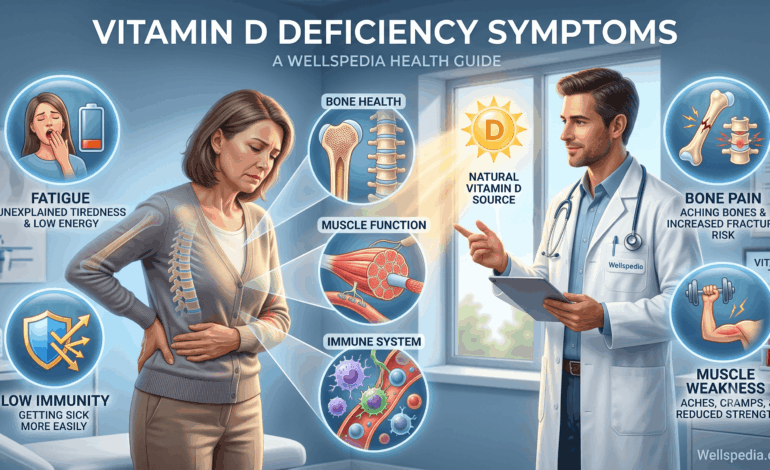
Vitamin D is essential for strong bones, healthy muscles, and a well-functioning immune system. However, many people have low vitamin D levels without realizing it because the symptoms often develop slowly. Recognizing the warning signs early can help prevent long-term health problems.
Common Vitamin D Deficiency Symptoms
The most common symptoms include:
-
Persistent fatigue and low energy
-
Muscle weakness
-
Bone or joint pain
-
Frequent colds and infections
-
Lower back pain
-
Hair thinning or hair loss
-
Slow wound healing
-
Low mood or depression
-
Poor balance, especially in older adults
Although these symptoms may have other causes, they should not be ignored if they continue for several weeks.
What Causes Vitamin D Deficiency?
Several factors can increase your risk, including:
-
Limited sunlight exposure
-
Poor intake of vitamin D-rich foods
-
Aging
-
Obesity
-
Kidney or liver disease
-
Digestive disorders such as Crohn’s disease or celiac disease
Best Food Sources of Vitamin D
Include these foods in your diet:
-
Salmon
-
Mackerel
-
Sardines
-
Egg yolks
-
Fortified milk
-
Fortified yogurt
-
Fortified cereals
-
UV-exposed mushrooms
How Is It Treated?
Treatment depends on the underlying cause and your vitamin D level. Your healthcare provider may recommend:
-
Vitamin D3 supplements
-
Safe sunlight exposure
-
A balanced diet rich in vitamin D
-
Follow-up blood tests to monitor recovery
Avoid taking high-dose supplements without medical advice.
Prevention Tips
You can reduce your risk by:
-
Spending time outdoors safely
-
Eating vitamin D-rich foods regularly
-
Staying physically active
-
Maintaining a healthy weight
-
Getting your vitamin D levels checked if you’re at high risk
When Should You See a Doctor?
Talk to a healthcare professional if you experience persistent fatigue, muscle weakness, bone pain, or frequent infections. A simple blood test can determine whether you have vitamin D deficiency.
Conclusion
Vitamin D deficiency is common but treatable. Early diagnosis, a healthy diet, safe sun exposure, and appropriate supplements can help restore normal vitamin D levels and support overall health.
FAQs
1. What are the first signs of vitamin D deficiency?
Fatigue, muscle weakness, bone pain, and frequent infections are common early signs.
2. Can vitamin D deficiency cause hair loss?
Yes. Low vitamin D levels may contribute to hair thinning in some individuals.
3. Which vitamin D supplement is best?
Vitamin D3 is generally more effective than Vitamin D2 for increasing vitamin D levels.