Embryo Selection in IVF: Modern Clinical Strategies and Evidence-Based Insights
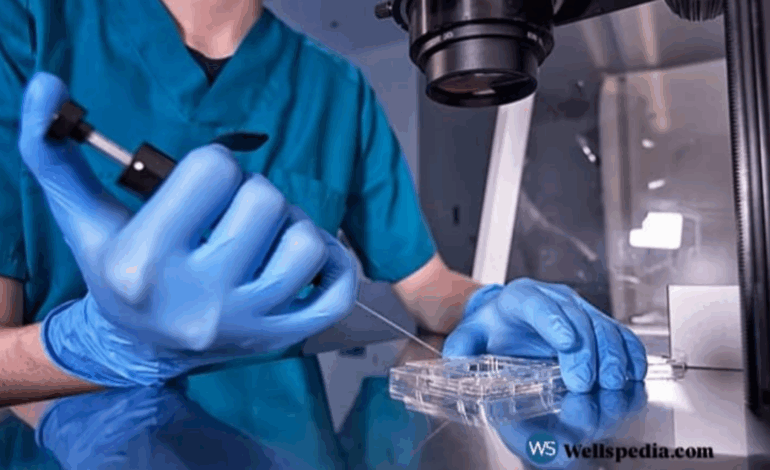
Embryo selection plays a crucial role in the success of in vitro fertilization (IVF). It focuses on choosing embryos that have the highest chance of implantation and healthy development. By selecting the most viable embryos, fertility specialists aim to increase pregnancy rates while lowering the chances of miscarriage or genetic complications.
Over time, IVF technology has advanced significantly. Today, tools like genetic testing, time-lapse imaging, and AI-based analysis help doctors make more accurate decisions. As a result, embryo selection has become more precise and reliable than ever before.
Why Embryology Matters in IVF
Embryologists are essential to every IVF cycle. They handle fertilization, monitor embryo growth, and guide the selection process in a controlled lab setting.
Moreover, they carefully observe how embryos divide and develop. Based on these observations, they decide which embryos are best suited for transfer or freezing. Therefore, their expertise directly impacts the overall success of IVF treatment.
Understanding the IVF Process and Embryo Growth
IVF follows a series of well-defined steps that support fertilization outside the human body.
Main Steps in IVF
1. Ovarian Stimulation
Doctors use hormonal medications to stimulate the ovaries so they produce multiple eggs. This increases the chances of forming healthy embryos.
2. Egg Retrieval
Next, specialists collect mature eggs using a minimally invasive procedure guided by ultrasound.
3. Fertilization
Fertilization can occur in two ways:
-
Conventional IVF, where eggs and sperm are combined naturally
-
ICSI, where a single sperm is injected directly into an egg
4. Embryo Culture
After fertilization, embryos grow in a controlled lab environment. During this phase, embryologists track their development closely.
Stages of Embryo Development
Embryos develop in a predictable sequence after fertilization.
-
Day 1 – Zygote: A single fertilized cell forms
-
Days 2–3 – Cleavage Stage: Cells divide rapidly
-
Day 4 – Morula: Cells compact into a solid structure
-
Days 5–6 – Blastocyst: A more advanced structure forms with specialized cells
At the blastocyst stage, the embryo develops:
-
Inner Cell Mass (future baby)
-
Trophectoderm (future placenta)
In most cases, blastocysts have a higher chance of implantation.
How Doctors Evaluate Embryo Quality
Specialists assess embryo quality using a grading system. They look at:
-
Expansion level of the blastocyst
-
Structure of the inner cell mass
-
Appearance of the outer cell layer
Generally, higher-quality embryos are chosen first for transfer or freezing.
Factors That Affect Embryo Quality
Several biological and lifestyle factors influence embryo development.
Maternal Factors
First, egg quality plays a major role. Important influences include:
-
Age: Egg quality declines with age
-
Ovarian reserve: Fewer eggs reduce selection chances
-
Hormonal health: Conditions like PCOS may affect outcomes
-
Lifestyle habits: Smoking, alcohol, and poor diet can harm egg quality
Paternal Factors
At the same time, sperm health is equally important.
-
Age: Older age may affect DNA quality
-
Oxidative stress: Can damage sperm DNA
-
Medical issues: Conditions like varicocele can reduce fertility
Modern Techniques for Embryo Selection
With medical advancements, embryo selection has become more accurate and data-driven.
1. Morphological Assessment
Traditionally, doctors examine embryos under a microscope. They check:
-
Cell division rate
-
Shape and symmetry
-
Fragmentation
However, this method alone cannot detect genetic problems.
2. Preimplantation Genetic Testing (PGT)
PGT allows doctors to screen embryos before transfer.
PGT-A (Chromosome Screening)
This test identifies embryos with abnormal chromosome numbers.
Benefits include:
-
Higher implantation rates
-
Lower miscarriage risk
-
Faster time to pregnancy
PGT-M (Single Gene Disorders)
Used when parents carry inherited conditions like cystic fibrosis or sickle cell disease.
PGT-SR (Structural Issues)
Helps detect chromosomal rearrangements, especially in couples with repeated pregnancy loss.
Mosaic Embryos
Some embryos contain both normal and abnormal cells. These are called mosaic embryos.
-
Low-level mosaic embryos may still lead to healthy pregnancies
-
High-level mosaics require careful medical advice
3. Time-Lapse Embryo Monitoring
Time-lapse incubators continuously track embryo growth without disturbing them.
As a result:
-
Doctors get detailed developmental insights
-
Embryos remain in stable conditions
-
Selection accuracy improves
4. Non-Invasive Genetic Testing
New methods analyze DNA released into the culture medium instead of taking a biopsy. Although promising, this approach is still being refined.
Improving Sperm Selection
Clinics now use advanced methods to select the best sperm, such as:
-
Microfluidic sorting
-
High-precision ICSI techniques
Additionally, research suggests that antioxidants and targeted nutrition may improve sperm quality in some cases.
Cryopreservation and Egg Donation
Frozen Embryos (FET)
Modern freezing techniques allow embryos to be stored safely for later use.
Benefits include:
-
Flexible timing
-
No need for repeated stimulation
-
Comparable success rates to fresh cycles
Egg Donation
For women with low egg quality or advanced age, donor eggs offer a reliable option.
Benefits of Effective Embryo Selection
Choosing the right embryo provides several advantages:
-
Higher success rates
-
Reduced miscarriage risk
-
Lower chance of genetic disorders
-
Fewer IVF cycles needed
Who Should Consider Advanced Embryo Selection?
This approach is especially helpful for:
-
Women above 35
-
Couples with repeated IVF failures
-
Patients with genetic conditions
-
Cases of severe male infertility
Future Trends in IVF
Artificial Intelligence (AI)
AI tools can analyze embryo data and predict success rates more accurately.
Polygenic Screening
Researchers are exploring ways to assess risks for complex diseases, though ethical concerns remain.
Non-Invasive Innovations
Future methods aim to improve safety while maintaining accuracy.
Frequently Asked Questions
How do doctors choose embryos for transfer?
They use a combination of growth patterns, grading, and genetic testing.
Can frozen embryos be tested?
Yes, doctors can thaw, test, and refreeze embryos if required.
Is single embryo transfer better?
Yes, transferring one high-quality embryo reduces the risk of multiple pregnancies.
Conclusion
Embryo selection is a key factor in IVF success. With the help of modern technologies and expert evaluation, doctors can now choose embryos more accurately than ever before. As a result, patients have better chances of achieving a healthy pregnancy while minimizing risks.
Understanding this process allows individuals to make informed decisions and approach IVF with greater confidence.