Mouth Breathing and ADHD: How Sleep Problems Can Lead to Misdiagnosis
Attention Deficit Hyperactivity Disorder (ADHD) is one of the most commonly diagnosed neurodevelopmental conditions in children and adolescents. It is typically characterized by inattention, impulsivity, and hyperactivity. According to the U.S. Centers for Disease Control and Prevention (CDC), millions of children worldwide live with an ADHD diagnosis.
However, emerging research suggests that not all ADHD-like symptoms originate from neurological causes. In many cases, chronic mouth breathing and undiagnosed sleep disorders may create behavioral and cognitive symptoms that closely resemble ADHD. When sleep quality is poor, attention, mood, and learning can suffer—sometimes leading to an incorrect diagnosis.
This article explores the role of mouth breathing in sleep disruption, its connection to sleep apnea, and why these factors should be carefully evaluated before diagnosing ADHD.
Understanding Mouth Breathing
Mouth breathing occurs when a person habitually breathes through the mouth instead of the nose. While temporary mouth breathing is normal during illness or physical exertion, persistent mouth breathing can negatively affect sleep, oxygen levels, and overall health.
Why Nasal Breathing Matters
Breathing through the nose is the body’s natural and preferred method. The nasal passages:
-
Filter dust, allergens, and pathogens
-
Warm and humidify inhaled air
-
Enhance oxygen absorption
-
Support nitric oxide production, which helps regulate sleep-wake cycles
In contrast, breathing through the mouth bypasses these protective mechanisms, often resulting in lower oxygen intake and disturbed sleep patterns.
How Mouth Breathing Affects Sleep and Behavior
Chronic mouth breathing is commonly associated with:
-
Snoring and noisy breathing
-
Dry mouth or sore throat upon waking
-
Reduced oxygen levels during sleep
-
Fragmented or restless sleep
In children, disrupted sleep can significantly affect daytime behavior. Poor sleep quality may cause:
-
Difficulty focusing
-
Irritability and mood swings
-
Hyperactive or impulsive behavior
-
Learning and memory problems
These symptoms often overlap with those used to diagnose ADHD.
Common Causes of Mouth Breathing in Children
Mouth breathing is especially prevalent in children and is often caused by underlying airway obstruction. Common triggers include:
-
Chronic nasal congestion from allergies or sinus infections
-
Enlarged tonsils or adenoids
-
Persistent allergic rhinitis
-
Structural issues such as a deviated septum or narrow nasal passages
If left untreated, mouth breathing can become habitual and persist into adulthood.
Long-Term Effects of Chronic Mouth Breathing
Extended mouth breathing can influence facial and dental development in children. It may contribute to:
-
Improper jaw growth
-
Overbites or dental crowding
-
Narrowed airways, which further worsen breathing
This creates a cycle where airway restriction promotes mouth breathing, and mouth breathing worsens airway structure.
Signs Your Child May Be Mouth Breathing During Sleep
Parents should watch for the following symptoms:
-
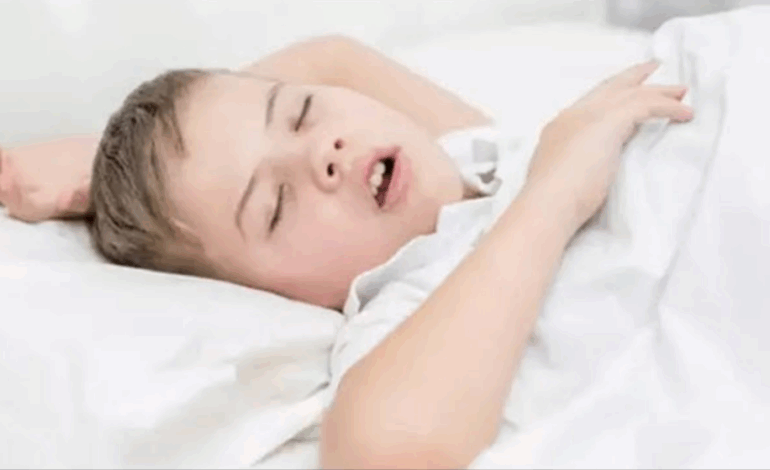
Sleeping with an open mouth
-
Loud or habitual snoring
-
Drooling on pillows
-
Teeth grinding at night
-
Frequent nighttime awakenings
-
Daytime sleepiness despite adequate sleep duration
-
Dry lips or throat in the morning
Behavioral changes such as poor concentration or increased irritability may also be linked to sleep disruption.
The Connection Between Mouth Breathing and Sleep Apnea
Sleep apnea is a sleep disorder marked by repeated pauses or shallow breathing during sleep. These interruptions reduce oxygen levels and fragment deep sleep.
Types of Sleep Apnea
-
Obstructive Sleep Apnea (OSA): Caused by airway blockage due to relaxed throat muscles
-
Central Sleep Apnea: Caused by disrupted brain signals to breathing muscles
-
Complex Sleep Apnea: A combination of both
Mouth breathing is both a symptom and contributing factor in obstructive sleep apnea. When nasal airflow is blocked, the body compensates by breathing through the mouth, which can further collapse the airway.
How Sleep Disorders Mimic ADHD Symptoms
Sleep-disordered breathing can significantly affect brain function. In children, poor-quality sleep has been linked to:
-
Reduced attention span
-
Memory and learning difficulties
-
Increased impulsivity
-
Emotional instability
Research shows that a substantial percentage of children diagnosed with ADHD also experience sleep apnea or chronic sleep disruption. In contrast, children with true ADHD may not always display excessive daytime sleepiness—an important distinction.
Why ADHD Misdiagnosis Can Happen
Because ADHD and sleep disorders share overlapping symptoms, children with untreated sleep problems may be mistakenly diagnosed with ADHD. This can lead to:
-
Unnecessary stimulant medication
-
Side effects such as appetite loss and insomnia
-
Delayed treatment of the actual sleep disorder
For this reason, sleep issues should be ruled out before confirming an ADHD diagnosis.
How Doctors Differentiate Sleep Disorders from ADHD
Healthcare professionals rely on a comprehensive evaluation that may include:
-
Detailed medical and sleep history
-
Physical examination of the airway
-
Sleep studies (polysomnography)
-
Nasal endoscopy to assess obstruction
-
Allergy testing
If sleep disorders are excluded, standardized behavioral assessments can then be used to accurately diagnose ADHD.
Treatment Options for Mouth Breathing and Sleep Issues
Treating the underlying cause of mouth breathing can dramatically improve sleep and daytime behavior. Common interventions include:
-
Nasal sprays or allergy medications
-
Allergy avoidance and management
-
Orthodontic treatment for jaw alignment
-
Tonsil or adenoid removal when indicated
-
Sleep apnea therapies such as CPAP or oral appliances
Supportive Lifestyle Measures
-
Breathing exercises to encourage nasal breathing
-
Nasal strips or dilators
-
Maintaining a cool, humid bedroom environment
-
Treating chronic sinus or allergy conditions
Final Thoughts
Mouth breathing and sleep disorders play a significant but often overlooked role in childhood behavior and attention problems. When sleep quality is compromised, children may display symptoms that closely resemble ADHD.
Before starting long-term ADHD treatment, it is essential to evaluate sleep health and breathing patterns. Addressing sleep-related issues not only improves overall well-being but also ensures that children receive the most accurate diagnosis and appropriate care.
If your child shows signs of mouth breathing, snoring, or daytime fatigue, consult a qualified healthcare professional for further evaluation.