Shallow Water Walking: A Low-Impact Aquatic Exercise for Joint Health and Functional Recovery
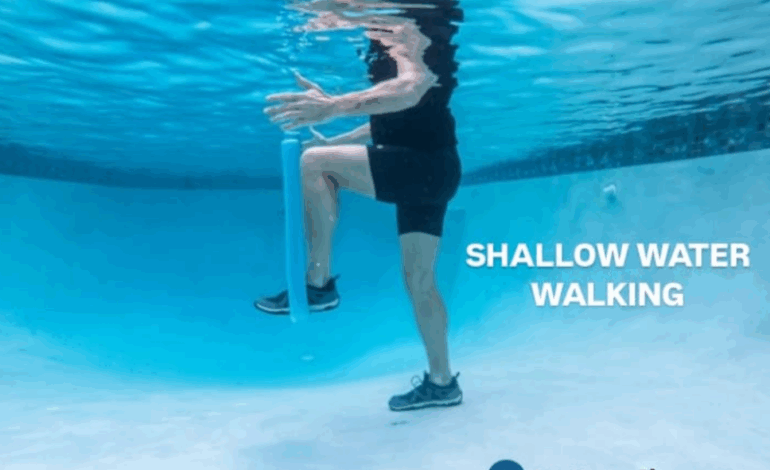
Shallow water walking is an increasingly popular form of low-impact aquatic exercise used in rehabilitation, fitness training, and preventive healthcare. By utilizing the natural properties of water—buoyancy, resistance, and hydrostatic pressure—this activity allows individuals to stay physically active while minimizing stress on joints and soft tissues.
Frequently recommended by physical therapists and health organizations, shallow water walking is widely used to improve mobility, reduce pain, and support recovery after injury or surgery. It is suitable for people of all ages, from older adults managing joint conditions to athletes rebuilding strength after rehabilitation.
What Is Shallow Water Walking?
Shallow water walking involves walking in water that typically reaches waist to chest level. At this depth, water supports a significant portion of body weight, reducing impact on joints while still providing enough resistance to activate muscles and elevate heart rate.
Unlike swimming or high-intensity aquatic workouts, shallow water walking requires no special skills. This makes it an accessible and practical exercise for beginners, individuals with limited mobility, and those seeking a safer alternative to land-based walking or running.
How Shallow Water Walking Differs from Other Exercises
Shallow vs. Deep Water Walking
In shallow water walking, the feet maintain contact with the pool floor, allowing partial weight-bearing and controlled movement. Deep water walking, on the other hand, requires flotation devices and greater core stabilization, making it more demanding.
Shallow Water Walking vs. Swimming
Swimming involves full-body propulsion and higher technical skill, whereas shallow water walking primarily targets the lower body while still engaging the core and arms. It offers a gentler yet effective workout for those uncomfortable in deep water.
Water Walking vs. Land Walking
Walking in water creates greater resistance than air, increasing muscle activation and calorie expenditure. At the same time, buoyancy reduces joint load, making it ideal for people with pain or mobility limitations.
Where Can Shallow Water Walking Be Performed?
Swimming Pools
Pools provide a controlled and safe environment, making them ideal for rehabilitation programs and structured exercise routines.
Natural Water Settings (Lakes, Rivers, Seashores)
Walking in natural water adds variables such as waves, currents, and uneven surfaces. These conditions challenge balance and coordination, while shoreline walking on sand increases muscular effort and sensory stimulation.
Physical Health Benefits of Shallow Water Walking
Gentle on Joints
Water buoyancy significantly reduces pressure on the knees, hips, ankles, and spine. This makes shallow water walking especially beneficial for individuals with arthritis, joint pain, obesity, or post-surgical limitations.
Supports Cardiovascular Health
Moving through water requires more effort than walking on land, prompting the heart to work harder. This improves circulation, heart rate efficiency, and overall cardiovascular endurance without excessive strain.
Builds Muscle Strength
Water resistance naturally engages muscles throughout the legs, core, and upper body. Regular sessions help improve muscular endurance, tone, and functional strength.
Enhances Flexibility and Mobility
The supportive environment of water allows for smoother, wider movement patterns. Warm water further relaxes muscles, helping to reduce stiffness and improve range of motion.
Improves Balance and Stability
Water challenges proprioception—the body’s sense of position—helping strengthen stabilizing muscles. This is particularly valuable for older adults and individuals at risk of falls.
Aids Weight Management
Shallow water walking burns more calories than land walking at similar speeds due to increased resistance. Depending on intensity and body weight, calorie expenditure can range from 240–350 calories per hour, supporting fat loss while preserving muscle mass.
Mental and Emotional Benefits
Reduces Stress
The calming nature of water combined with rhythmic movement promotes relaxation and helps lower stress levels.
Boosts Mood
Like other forms of physical activity, water walking stimulates the release of endorphins, supporting emotional well-being and mental clarity.
Encourages Social Interaction
Group water-walking sessions foster motivation, accountability, and social connection, contributing positively to mental health.
Benefits for Specific Populations
Older Adults
Shallow water walking is commonly used in geriatric rehabilitation. It improves mobility, muscle strength, balance, and confidence while reducing joint pain and fall risk.
Pregnant Individuals
Aquatic walking provides safe, low-impact activity during pregnancy. Water buoyancy relieves spinal pressure, reduces swelling, and supports gentle conditioning without overheating.
Injury and Post-Surgical Recovery
For individuals recovering from orthopedic injuries or surgeries, shallow water walking allows gradual return to movement with minimal joint stress. Intensity can be easily adjusted by changing speed or water depth.
Neurological Conditions
People with conditions such as stroke, Parkinson’s disease, or multiple sclerosis often benefit from aquatic exercise. Water support improves mobility, circulation, and safety during movement.
Individuals with Weight-Related Conditions
For those with obesity or metabolic conditions, water walking reduces joint strain while encouraging calorie burning, improved circulation, and better glucose control.
Tips for Safe and Effective Shallow Water Walking
Maintain Proper Posture
Stand tall with relaxed shoulders, engage your core, and walk heel-to-toe. Natural arm movement improves balance and adds upper-body engagement.
Progress Gradually
Start at a comfortable pace and slowly increase intensity. Adding intervals, side steps, or backward walking can enhance muscle activation.
Use Resistance Equipment
Hand paddles, aquatic gloves, or water weights can increase upper-body involvement. Some facilities also offer underwater treadmills for controlled progression.
Pay Attention to Water Temperature
-
Warm water (86–92°F): Ideal for rehabilitation and flexibility
-
Cooler water (78–82°F): Better for cardiovascular conditioning
Safety Considerations
-
Warm up and cool down with gentle movements
-
Stay hydrated, even during water-based exercise
-
Use water shoes to prevent slipping
-
Be aware of depth changes and surroundings
-
Seek medical advice if you have heart conditions, balance issues, or chronic illness
Stop exercising immediately if you experience dizziness, chest pain, or severe discomfort.
Potential Limitations
While beneficial, shallow water walking has some limitations:
-
Reduced bone-loading stimulus compared to land exercise
-
Temperature sensitivity for some individuals
-
Limited access to pools or safe natural water environments
Balancing aquatic exercise with land-based activities may offer optimal overall health benefits.
Shallow Water Walking Variations
-
Sideways and backward walking: Improves coordination and strengthens different muscle groups
-
Jogging or running: Increases cardiovascular challenge
-
High knees and lunges: Enhances core strength, flexibility, and endurance
These variations can be added gradually based on fitness level and goals.
Other Aquatic Therapy Options
-
Aqua aerobics – Cardio-focused group workouts
-
Aqua yoga and Ai Chi – Gentle, meditative movements for balance and relaxation
-
Aqua Zumba – Dance-inspired cardiovascular exercise
-
Aquatic physical therapy – Guided rehabilitation under professional supervision
Each method harnesses water’s supportive properties to promote safe and effective movement.