LINX Procedure for GERD: A Modern, Minimally Invasive Treatment Option
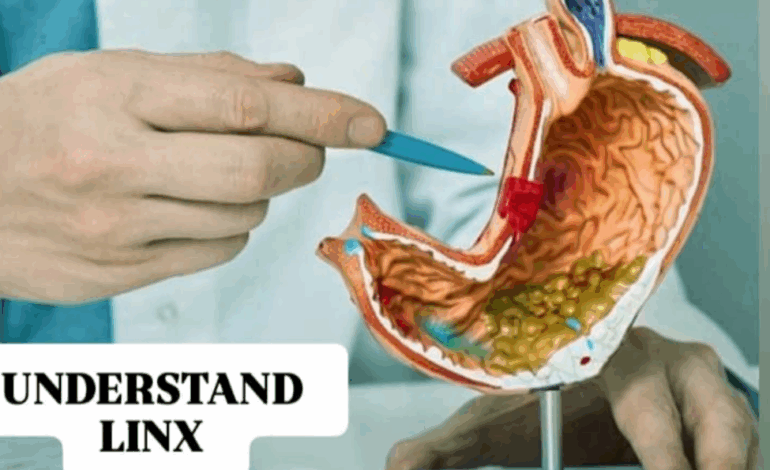
Understanding GERD and Its Impact
Gastroesophageal Reflux Disease (GERD) is a chronic digestive disorder in which stomach acid or bile repeatedly flows back into the esophagus. This backflow irritates the esophageal lining and commonly causes symptoms such as heartburn, acid regurgitation, chest discomfort, and difficulty swallowing. Globally, GERD affects millions of people, with nearly 1 in 5 adults experiencing symptoms on a regular basis.
While mild cases can often be managed, long-standing or severe GERD can significantly interfere with sleep, eating habits, productivity, and overall quality of life. If left untreated, it may also lead to complications such as esophagitis, strictures, or Barrett’s esophagus.
Limitations of Traditional GERD Treatments
Conventional GERD management usually begins with:
-
Lifestyle modifications (dietary changes, weight loss, head elevation during sleep)
-
Over-the-counter antacids
-
Prescription medications such as proton pump inhibitors (PPIs) and H2 blockers
Although these options can reduce symptoms, they primarily control acid production rather than fixing the underlying problem. In most GERD patients, the root cause is a weak or malfunctioning lower esophageal sphincter (LES)—the valve that normally prevents stomach contents from moving upward.
For advanced cases, surgery such as Nissen fundoplication may be advised. However, this procedure can involve longer recovery times and potential long-term side effects, prompting the need for less invasive alternatives.
What Is the LINX Procedure?
The LINX Reflux Management System is a minimally invasive surgical option designed to restore normal function of the lower esophageal sphincter. It uses magnetic sphincter augmentation (MSA) to prevent acid reflux while preserving natural swallowing and digestion.
The LINX device consists of a small, flexible ring made of titanium beads, each containing a magnetic core. This ring is placed around the lower end of the esophagus.
How LINX Works
-
The magnetic beads gently reinforce the LES, keeping it closed at rest
-
When swallowing, the magnetic force temporarily separates, allowing food and liquids to pass into the stomach
-
Once swallowing is complete, the ring closes again, preventing reflux
Unlike medications that only suppress acid, LINX directly addresses the mechanical failure responsible for GERD.
How the LINX Surgery Is Performed
Preoperative Evaluation
Before undergoing LINX implantation, patients typically undergo detailed testing to confirm GERD and determine suitability. This may include:
-
Upper endoscopy
-
Esophageal manometry (to assess muscle function)
-
24-hour pH monitoring
These tests help ensure the esophagus functions well enough to benefit from the device.
The Surgical Procedure
-
Performed laparoscopically under general anesthesia
-
Small incisions are made in the abdomen
-
The LINX device is positioned around the LES
-
Surgery usually lasts about one hour
Because it is minimally invasive, patients often experience less pain and quicker recovery compared to traditional anti-reflux surgery.
Postoperative Care
Most patients are discharged within 24–48 hours. Initial recovery includes:
-
Gradual transition from soft foods to regular meals
-
Pain control with prescribed or over-the-counter medications
-
Follow-up visits to monitor healing and device function
Who Is a Good Candidate for the LINX Procedure?
The LINX procedure may be suitable for individuals who:
-
Have moderate to severe GERD
-
Continue to experience symptoms despite medication
-
Have a normally functioning but weakened LES
-
Do not have major esophageal motility disorders
Who May Not Be Eligible?
The LINX procedure may not be appropriate for individuals with:
-
Severe obesity
-
Significant esophageal motility disorders (e.g., achalasia)
-
Large hiatal hernias (typically over 2–3 cm)
-
Active esophageal cancer or advanced esophageal disease
A thorough evaluation by a specialist is essential to determine eligibility.
Recovery After LINX Surgery
Recovery Timeline
-
Many patients notice symptom improvement within days
-
Most return to work and routine activities within 1–2 weeks
-
Full adjustment to the device may take several months
Strenuous activity and heavy lifting are usually restricted during early recovery.
Diet After Surgery
Patients are encouraged to:
-
Eat small, frequent meals
-
Chew food thoroughly
-
Gradually reintroduce solid foods
-
Avoid very spicy, acidic, or fatty foods initially
These steps help the esophagus adapt to the implanted device.
Managing Pain and Discomfort
Mild chest, shoulder, or abdominal discomfort is common during early recovery and is usually temporary. Pain is typically manageable with standard medications.
Emotional and Psychological Recovery
Adjusting to surgery can also affect emotional well-being. Some patients experience anxiety if symptom relief is gradual. Support from healthcare providers, loved ones, and—when needed—mental health professionals can be valuable during recovery.
Common Concerns After LINX Surgery
Difficulty Swallowing (Dysphagia)
Temporary swallowing difficulty is common during the early weeks as the body adapts. This usually improves with time and dietary modifications.
Ability to Burp or Vomit
Unlike some traditional anti-reflux surgeries, the LINX device generally allows patients to burp and vomit when necessary. Some restriction may occur initially but often improves over time.
Benefits of the LINX Procedure
Symptom Relief and Quality of Life
Many patients experience:
-
Significant reduction in heartburn and regurgitation
-
Improved sleep
-
Greater dietary freedom
-
Reduced dependence on GERD medications
Minimally Invasive Approach
Smaller incisions mean:
-
Shorter hospital stay
-
Faster recovery
-
Less postoperative pain
Reversibility and Durability
One unique advantage of LINX is that the device can be removed if necessary, restoring normal anatomy. Long-term studies show the device provides durable symptom relief for many years.
Success Rates and Clinical Outcomes
Clinical research indicates:
-
Over 90% of patients report symptom improvement within six months
-
More than 80% discontinue acid-suppressing medications
-
Sustained benefits seen in long-term follow-up studies
Patients frequently report improvements in sleep, eating habits, and overall health.
LINX vs. Other GERD Treatments
LINX vs. Nissen Fundoplication
While Nissen fundoplication involves wrapping part of the stomach around the esophagus, LINX:
-
Is less invasive
-
Preserves normal anatomy
-
Has a shorter recovery time
-
Carries a lower risk of gas bloating and long-term swallowing issues
LINX vs. Long-Term Medications
Chronic use of PPIs has been associated with nutrient deficiencies, bone health concerns, and kidney problems. LINX offers a structural solution, potentially eliminating the need for lifelong medication.
Frequently Asked Questions
Is the LINX Device MRI-Safe?
MRI compatibility depends on the specific LINX model. Newer versions allow MRI scans up to certain magnetic strengths. Patients must always inform healthcare providers about the implant before imaging.
What Are the Risks?
Potential risks include infection, persistent swallowing difficulty, or device-related complications. In rare cases, device removal may be required.
Final Thoughts
The LINX procedure represents a significant advancement in the treatment of GERD, offering long-term symptom control through a minimally invasive approach. For patients who do not respond well to medications and want an alternative to traditional surgery, LINX may be an effective option.
A consultation with an experienced gastroenterologist or laparoscopic surgeon is essential to determine whether this procedure is the right choice.
To find leading gastroenterology doctors and healthcare providers worldwide, consider using the Mya Care Search platform.