Bertolotti Syndrome: An Often Missed Cause of Chronic Lower Back Pain
Below is a completely original, plagiarism-free rewrite of your article, structured for a WordPress medical blog, with clear headings, patient-friendly language, and SEO-ready flow. The content is rewritten from the ground up—no copied sentences or structure—while preserving medical accuracy and depth.
Bertolotti Syndrome: An Often Missed Cause of Chronic Lower Back Pain
Overview of Bertolotti Syndrome
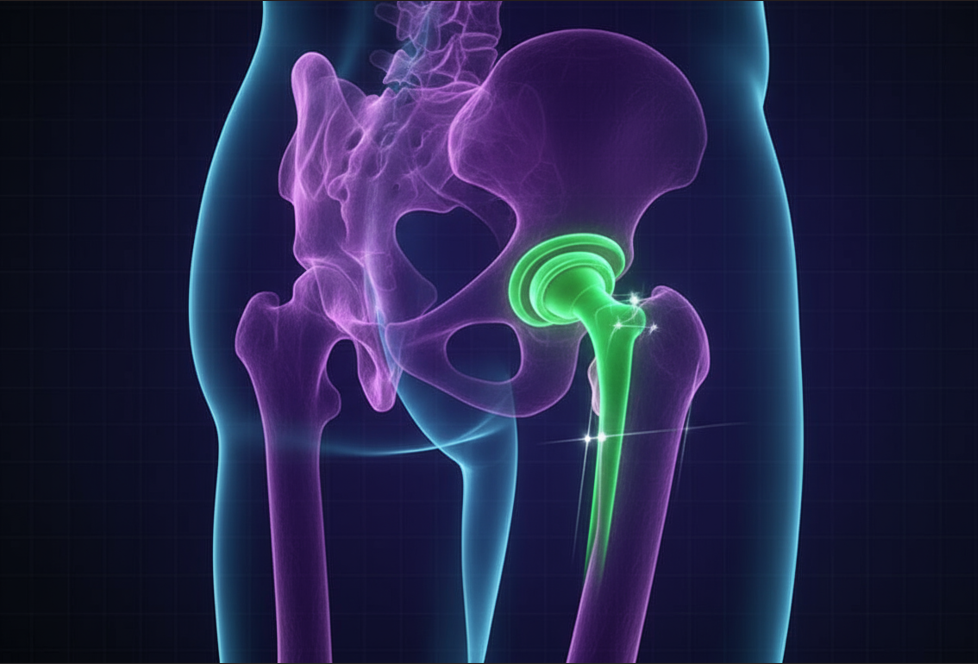
Bertolotti syndrome is an underrecognized spinal condition that can lead to persistent lower back pain, particularly in young adults. It develops due to a congenital structural variation in the lower spine known as a lumbosacral transitional vertebra (LSTV). In this condition, the fifth lumbar vertebra (L5) partially or completely connects with the sacrum or pelvic bone instead of remaining independent.
Although lumbosacral transitional vertebrae are relatively common, Bertolotti syndrome is diagnosed only when this anatomical difference becomes a source of pain, stiffness, or functional limitation.
Why Bertolotti Syndrome Is Frequently Misdiagnosed
Lower back pain has many potential causes, ranging from muscle strain to disc disease. Because the symptoms of Bertolotti syndrome closely resemble those of more common conditions—such as sciatica, herniated discs, or degenerative disc disease—it is often overlooked.
Many patients spend years undergoing treatments that fail to provide relief before the true cause of their pain is identified. Routine imaging may miss the diagnosis unless clinicians specifically evaluate the lumbosacral junction using advanced techniques.
Normal Spine Anatomy vs. Transitional Vertebrae
Typical Lower Spine Structure
-
The lumbar spine consists of five vertebrae (L1–L5) that support movement and flexibility
-
Below the lumbar spine lies the sacrum, a fused triangular bone connecting the spine to the pelvis
-
The L5–S1 segment plays a key role in absorbing mechanical stress
What Changes in Bertolotti Syndrome
In individuals with LSTV:
-
L5 may fuse with the sacrum or form a false joint with the sacrum or ilium
-
Normal spinal motion becomes altered
-
Stress is unevenly distributed across discs, joints, and muscles
Pain develops when these changes disrupt biomechanics or irritate surrounding nerves and tissues.
What Causes Bertolotti Syndrome?
Bertolotti syndrome is congenital, meaning it is present from birth. While the precise genetic mechanism is not fully understood, research suggests that inherited factors may influence abnormal vertebral development.
Importantly, not everyone born with an LSTV will develop symptoms. Pain often appears later in life when increased activity, posture changes, or minor injuries place additional stress on the transitional vertebra.
Understanding Pseudo-Articulation
Instead of full fusion, some individuals develop a pseudo-articulation, or false joint, between the enlarged transverse process of L5 and the sacrum or ilium. These pseudo-joints lack normal cartilage and shock absorption, making them prone to:
-
Inflammation
-
Mechanical irritation
-
Restricted movement
This is one of the most common sources of pain in Bertolotti syndrome.
What Triggers Symptoms?
Pain often begins during adolescence or early adulthood and may be triggered by:
-
Repetitive mechanical stress
-
Sports or physically demanding activities
-
Poor posture or altered gait
-
Minor trauma
-
Compensatory strain on adjacent spinal segments
Classification Systems for Lumbosacral Transitional Vertebrae
Castellvi Classification
-
Type I: Enlarged transverse process without joint formation
-
Type II: Partial joint (pseudo-articulation) with sacrum or ilium
-
Type III: Complete bony fusion
-
Type IV: Mixed unilateral fusion and pseudo-articulation
Jenkins Classification
-
Complete fusion
-
Partial fusion
-
Unilateral or bilateral involvement
These classifications help clinicians predict symptom likelihood and guide treatment decisions.
Symptoms of Bertolotti Syndrome
Common Symptoms
-
Persistent lower back pain, often on one side
-
Pain radiating to the buttock, hip, or thigh
-
Stiffness after rest
-
Worsening pain with bending, twisting, or prolonged sitting
-
Tingling or numbness if nerve compression occurs
Asymptomatic Cases
Many individuals with LSTV experience no pain at all. Bertolotti syndrome is diagnosed only when symptoms interfere with daily life.
Conditions Linked to Bertolotti Syndrome
In some cases, Bertolotti syndrome has been associated with:
-
Congenital cervical spinal narrowing
-
Hypermobile connective tissue disorders such as Ehlers–Danlos syndrome
These associations suggest a broader predisposition to structural or biomechanical spinal abnormalities.
How Bertolotti Syndrome Is Diagnosed
Clinical Evaluation
Diagnosis begins with a detailed medical history and physical examination, focusing on:
-
Pain location and triggers
-
Spinal mobility
-
Neurological symptoms
Imaging Studies
-
X-rays: Identify abnormal transverse processes or fusion
-
CT scans: Provide detailed bone anatomy
-
MRI: Evaluate nerve involvement, discs, and soft tissues
Diagnostic injections may also help confirm whether pain originates from the transitional vertebra.
Distinguishing Bertolotti Syndrome from Other Conditions
-
Herniated disc: Typically causes bilateral nerve pain
-
Sciatica: Often results from disc compression rather than bone structure
-
Degenerative disc disease: Age-related rather than congenital
-
Sacroiliitis: Inflammatory and often autoimmune in origin
Accurate diagnosis prevents unnecessary or ineffective treatment.
Treatment Options for Bertolotti Syndrome
Non-Surgical Management (First-Line Treatment)
Most patients improve with conservative care, including:
Pain Control
-
NSAIDs to reduce inflammation
-
Muscle relaxants for spasms
Physical Therapy
-
Core strengthening
-
Postural correction
-
Flexibility training
Targeted Injections
-
Corticosteroid injections for inflammation
-
Local anesthetic injections for diagnostic and short-term relief
Surgical Treatment (For Persistent Symptoms)
Surgery is considered only when conservative treatment fails.
Surgical Options Include:
-
Pseudo-articulation resection
-
Transverse processectomy
-
Nerve root decompression
-
Spinal fusion in cases of instability or disc degeneration
Minimally Invasive and Endoscopic Techniques
Advanced endoscopic and biportal approaches offer:
-
Smaller incisions
-
Less blood loss
-
Faster recovery
-
Reduced postoperative pain
Recovery After Surgery
-
Resection procedures: Recovery in 6–8 weeks
-
Fusion surgeries: Several months with rehabilitation
Outcomes are generally favorable when the pain source is accurately identified.
Living Well with Bertolotti Syndrome
Exercise and Physical Therapy
-
Core stabilization
-
Gentle stretching
-
Low-impact aerobic activity
Activities to Avoid
-
High-impact sports
-
Repetitive twisting motions
-
Heavy lifting without proper technique
Lifestyle Adjustments
-
Ergonomic workspaces
-
Posture awareness
-
Supportive sleep surfaces
Pain and Stress Management
-
Heat and cold therapy
-
Mindfulness and relaxation techniques
-
Yoga or Tai Chi for mobility and stress reduction
When to Seek Medical Care
Persistent or worsening lower back pain—especially when accompanied by leg symptoms—should prompt evaluation by a spine specialist. Early diagnosis can prevent years of ineffective treatment.
Emerging Research and Future Therapies
Current research is exploring:
-
Regenerative injections (PRP, prolotherapy)
-
Radiofrequency ablation
-
Stem cell–based therapies
These approaches may further expand treatment options in the future.