Latest Breakthroughs in Regenerative Orthopedics and Orthobiologics
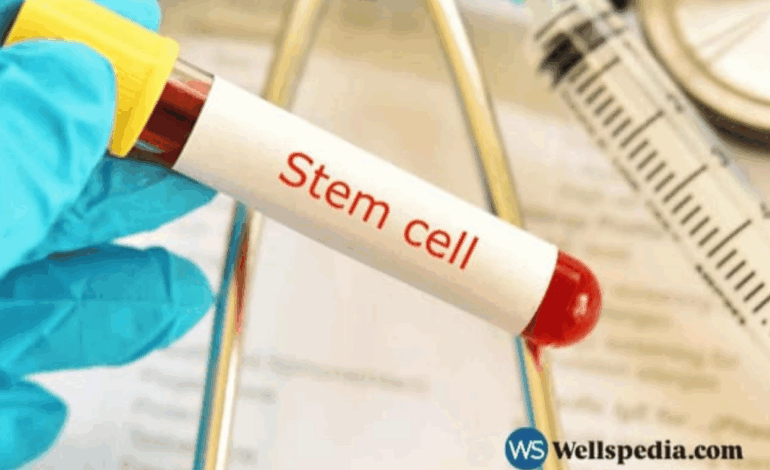
Regenerative orthopedics is transforming the way musculoskeletal conditions are treated. Rather than relying solely on surgery or long-term medication, this rapidly evolving specialty focuses on biological repair and tissue regeneration. By leveraging orthobiologics—substances derived from the body’s own cells and tissues—clinicians aim to restore damaged joints, cartilage, tendons, ligaments, and bones in a more natural and minimally invasive way.
These innovative therapies are especially valuable for sports injuries, degenerative joint diseases, and chronic orthopedic conditions such as osteoarthritis, tendon disorders, and spinal problems. The central goal is simple: enhance the body’s innate healing capacity while reducing recovery time and surgical risk.
What Is the Aim of Regenerative Orthopedics?
The primary objective of regenerative orthopedic care is to stimulate tissue repair at the cellular level. Instead of removing damaged tissue, these treatments encourage regeneration using biologically active substances such as stem cells, growth factors, and cellular scaffolds.
Key benefits include:
-
Faster healing and tissue recovery
-
Reduced inflammation and pain
-
Less reliance on invasive surgery
-
Shorter rehabilitation periods
By addressing the root cause of injury or degeneration, regenerative orthopedics offers long-term solutions rather than temporary symptom relief.
Major Categories of Regenerative Orthopedic Treatments
Stem Cell–Based Therapies
Stem cell treatments play a foundational role in regenerative medicine due to their ability to develop into multiple tissue types.
Mesenchymal Stem Cells (MSCs)
Commonly obtained from bone marrow or fat tissue, MSCs can transform into cartilage, bone, tendon, and ligament cells. They are widely studied for conditions such as cartilage degeneration, tendon injuries, and early-stage osteoarthritis.
Induced Pluripotent Stem Cells (iPSCs)
These are adult cells that have been genetically reprogrammed to behave like embryonic stem cells. Although still largely experimental, iPSCs hold strong potential for future orthopedic applications, particularly in complex cartilage and bone repair.
Allogeneic Stem Cells
Sourced from donors rather than the patient, these cells are readily available but tightly regulated due to immune compatibility and safety concerns.
Regulatory note: In countries like the United States, stem cell use in orthopedics is strictly overseen by health authorities, and not all therapies are approved for routine clinical use.
Autologous Chondrocyte Implantation (ACI)
Autologous Chondrocyte Implantation is a well-established method for treating localized cartilage damage, especially in the knee. The procedure involves collecting healthy cartilage cells from the patient, expanding them in a lab, and re-implanting them into the damaged area.
While ACI has demonstrated strong clinical outcomes, it is a multi-stage process that requires careful patient selection and longer recovery.
Single-Stage Cartilage Repair (RECLAIM Technique)
A newer advancement in cartilage restoration is single-stage cell-based repair, often referred to as the RECLAIM approach. This technique combines a patient’s own cartilage cells with donor-derived MSCs in one surgical session.
Advantages include:
-
Reduced procedural complexity
-
Shorter rehabilitation time
-
Faster biological integration
Although promising, this method is still undergoing clinical evaluation before widespread adoption.
Platelet-Rich Plasma (PRP) Therapy
PRP therapy uses a concentrated solution of platelets derived from the patient’s own blood. These platelets release growth factors that promote tissue healing and reduce inflammation.
PRP is commonly used for:
-
Tendon and ligament injuries
-
Muscle strains
-
Mild to moderate osteoarthritis
PRP in Sports Medicine
High-profile athletes have popularized PRP due to its role in accelerating recovery. Brazilian footballers such as Fernandinho and Neymar Jr. have reportedly used PRP for tendon and bone-related injuries, highlighting its broad orthopedic applications.
Clinical studies, including research from Spain, have shown that intra-articular PRP injections may reduce pain and improve joint function in knee osteoarthritis, although outcomes depend on preparation technique and patient biology.
Platelet Lysate, a refined PRP derivative, offers an even higher concentration of growth factors and is being explored for enhanced tissue regeneration.
Adipose-Derived Regenerative Therapies
Fat tissue is a rich source of regenerative cells. Adipose-derived stem cells, found within the stromal vascular fraction (SVF), can differentiate into cartilage, bone, and muscle tissue.
Benefits include:
-
Minimally invasive harvesting
-
High cell yield
-
Versatile orthopedic applications
These therapies are increasingly used for joint degeneration, traumatic injuries, and soft tissue repair.
Bone Marrow Concentrate (BMC) and BMAC
Bone Marrow Aspirate Concentrate (BMAC) contains stem cells, growth factors, and healing cytokines derived from bone marrow. When injected into injured areas, BMAC can support repair of cartilage, bone, and connective tissues.
Although patient response varies, BMAC has gained popularity as a biological alternative to surgery in select orthopedic cases.
Advanced Cartilage Repair Techniques
Microfracture and Subchondral Drilling
These techniques stimulate cartilage repair by allowing bone marrow cells to migrate into damaged cartilage areas. Best suited for smaller defects.
Osteochondral Grafting
Healthy cartilage plugs are transferred to damaged regions, offering effective repair for larger defects, though recovery can be extensive.
Recent European clinical studies have explored combining cartilage fragments with platelet-based plasma formulations to enhance healing, showing encouraging MRI and functional outcomes.
Biologic Scaffolds and 3D Bioprinting
Biologic scaffolds provide a supportive framework for new tissue growth. Depending on design, they may encourage bone formation, structural integration, or active tissue regeneration.
3D bioprinting takes this concept further by creating patient-specific bone and cartilage structures using bioceramics and bio-inks. While still experimental, this technology could redefine joint reconstruction in the future.
Molecular and Genetic Innovations
Exosome Therapy
Exosomes are microscopic vesicles released by cells that help regulate inflammation and tissue repair. Research suggests they may accelerate healing without the risks associated with live cell therapies.
Gene Therapy
By modifying genetic pathways, gene therapy may one day treat inherited bone disorders such as osteogenesis imperfecta and improve long-term tissue regeneration.
Regenerative Orthopedics in Children
Pediatric applications are expanding, particularly for congenital deformities, cartilage injuries, and growth plate damage. However, ethical considerations and limited long-term safety data require cautious clinical use.
Benefits and Limitations of Regenerative Orthopedics
Advantages
-
Natural tissue healing
-
Reduced pain and inflammation
-
Minimally invasive procedures
-
Potential long-term cost savings
Limitations
-
Limited long-term clinical data
-
Variable patient outcomes
-
High upfront costs
-
Regulatory and ethical challenges
What Lies Ahead?
The future of regenerative orthopedics is focused on combination therapies, improved biologic standardization, and broader global accessibility. As clinical research expands, these treatments are expected to become safer, more effective, and more widely available.