Early Signs of Parkinson’s Disease: 10 Symptoms to Know
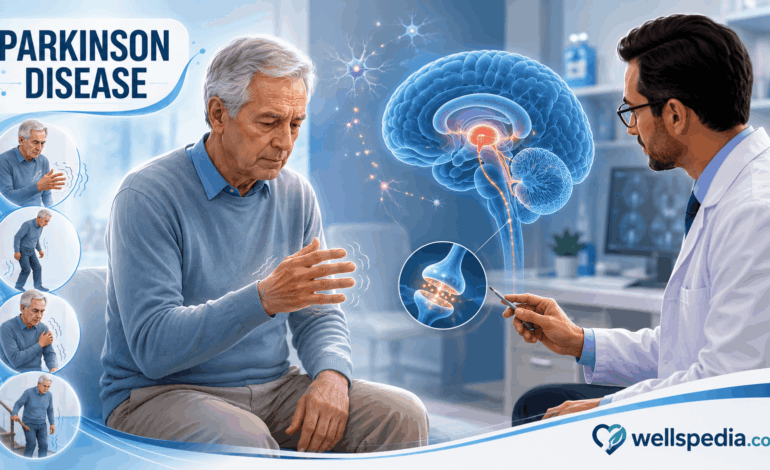
Parkinson’s disease is a progressive neurological condition that affects movement and can also cause a range of non-movement symptoms. The most recognised movement symptoms include tremor, slow movement and muscle stiffness, but some people experience other changes before or alongside these symptoms.
Recognising possible early signs can help someone seek appropriate medical evaluation, but having one of these symptoms does not mean that a person has Parkinson’s disease.
What Is Parkinson’s Disease?
Parkinson’s disease develops when nerve cells in a part of the brain called the substantia nigra become damaged or are lost. These cells normally produce dopamine, a chemical messenger involved in controlling movement. As dopamine-producing nerve cells are lost, movement can become slower and less coordinated.
The exact reason why these nerve cells become damaged is not completely understood. Research suggests that both genetic and environmental factors may contribute.
10 Early Signs of Parkinson’s Disease
1. Tremor or Shaking
One of the best-known symptoms of Parkinson’s disease is tremor.
The shaking may begin in one hand, arm, leg, or another part of the body. Parkinsonian tremor can be more noticeable when the affected body part is relaxed.
However, not every tremor is Parkinson’s disease. Tremor can have many possible causes, which is why medical assessment is important.
2. Slowness of Movement
Another major symptom is bradykinesia, meaning movement becomes slower than usual.
Someone may notice that they:
- Take longer to get dressed
- Move more slowly while walking
- Take longer to perform everyday tasks
- Have difficulty starting a movement
- Feel that normal activities require more effort
Slowness of movement is one of the core movement symptoms associated with Parkinson’s disease.
3. Muscle Stiffness
Muscles can become stiff or less flexible.
A person might notice:
- Tightness in an arm or leg
- Shoulder stiffness
- Reduced arm movement while walking
- Difficulty turning or moving comfortably
Muscle stiffness is another common movement symptom of Parkinson’s disease.
4. Reduced Sense of Smell
A reduced ability to smell, known as hyposmia, can occur in Parkinson’s disease.
Some people may notice that foods or familiar smells no longer seem as strong as they once did.
Importantly, reduced smell alone is not enough to diagnose Parkinson’s disease, because many other conditions can affect the sense of smell.
5. Changes in Sleep
Sleep problems can occur in people with Parkinson’s disease.
Possible changes include:
- Difficulty sleeping
- Frequent waking
- Changes in normal sleep patterns
- Other sleep-related problems
Sleep problems are not specific to Parkinson’s disease, but they can occur alongside neurological symptoms.
6. Balance Problems
Parkinson’s disease can affect balance and increase the risk of falls.
Balance problems may become more noticeable as the disease progresses, although their timing and severity can differ between individuals.
If someone develops new or unexplained balance problems, a healthcare professional should assess them because many neurological and non-neurological conditions can cause balance difficulties.
7. Changes in Walking
Changes in movement can affect the way a person walks.
For example, someone may gradually notice that they:
- Walk more slowly
- Take smaller steps
- Have difficulty initiating movement
- Move their arms less while walking
Walking changes can occur as part of Parkinson’s movement problems, but they are not specific to Parkinson’s disease.
8. Depression or Anxiety
Parkinson’s disease can involve psychological symptoms such as depression and anxiety. These symptoms may occur alongside the physical symptoms of the disease.
However, depression or anxiety alone should not be interpreted as evidence of Parkinson’s disease.
Mental health conditions are common and have many possible causes.
9. Memory or Thinking Changes
Some people with Parkinson’s disease experience cognitive or memory-related problems.
These can include changes in:
- Memory
- Concentration
- Thinking
- Mental processing
Not everyone with Parkinson’s experiences cognitive problems, and memory changes can have many other causes.
10. Changes in Everyday Movement
Sometimes the earliest clue is not one dramatic symptom but a gradual change in normal movement.
A person or family member may notice:
- Everyday tasks taking longer
- Less spontaneous movement
- Changes in handwriting or other fine-motor tasks
- Reduced arm movement
- Increasing stiffness
These changes should be considered in context rather than used as a self-diagnosis.
What Are the Main Symptoms of Parkinson’s Disease?
The three major movement symptoms are:
Tremor
Uncontrolled shaking, often beginning on one side.
Bradykinesia
Abnormally slow movement.
Rigidity
Muscle stiffness or increased resistance to movement.
These are among the key symptoms clinicians consider when evaluating possible Parkinson’s disease.
What Causes Parkinson’s Disease?
Parkinson’s disease is associated with the loss of dopamine-producing nerve cells in the substantia nigra.
Why these cells become damaged is still not fully understood.
Current evidence suggests that genetic factors and environmental factors may both play a role.
It is therefore inaccurate to say that one particular food, lifestyle habit, or single environmental exposure is responsible for most cases.
Who Can Develop Parkinson’s Disease?
Parkinson’s disease is more common in older adults, although younger people can also develop it.
According to the NHS, most people begin developing symptoms after age 50, while some people experience symptoms before age 40.
Age is only one factor, however, and an individual’s symptoms and medical history need to be considered.
How Is Parkinson’s Disease Diagnosed?
There is currently no single test that conclusively confirms Parkinson’s disease.
Doctors generally consider:
- Symptoms
- Medical history
- Physical examination
- Movement patterns
- Neurological findings
A person who may have Parkinson’s disease may be referred to a neurologist or another appropriate specialist. In some cases, brain imaging or other investigations may be used to rule out other conditions.
This is why self-diagnosing based on a symptom checklist is not recommended.
Is Parkinson’s Disease Curable?
There is currently no cure for Parkinson’s disease, but treatments can reduce symptoms and help maintain quality of life.
Treatment can include:
- Medication
- Physiotherapy
- Occupational therapy
- Speech and language therapy
- Exercise and physical activity
- Other supportive therapies
- Deep brain stimulation in selected patients
The appropriate treatment depends on the individual’s symptoms, disease stage, health status, and medical assessment.
Parkinson’s Disease Treatment
Medication
Doctors may prescribe medicines that help improve movement symptoms.
One commonly used medication is levodopa, which the brain converts into dopamine. Other medicines, including dopamine agonists and MAO-B inhibitors, may also be used depending on the individual’s circumstances.
Medication choices should always be made with a qualified healthcare professional.
Do not start, stop, or change Parkinson’s medication without medical advice.
Physiotherapy and Exercise
Physiotherapy can help some people manage stiffness, walking difficulties, movement problems and flexibility.
Regular physical activity may also support physical and mental wellbeing for people living with Parkinson’s disease.
An exercise plan should be appropriate for the individual’s abilities and symptoms.
Deep Brain Stimulation
For selected people with Parkinson’s disease, deep brain stimulation (DBS) may be considered.
The procedure involves implanting a device that delivers electrical stimulation to specific areas of the brain. It does not cure Parkinson’s disease, but it can improve symptoms in appropriately selected patients.
When Should You See a Doctor?
See a healthcare professional if you develop persistent or unexplained:
- Tremor
- Slowness of movement
- Muscle stiffness
- Changes in walking
- Balance problems
- Reduced sense of smell combined with other concerning symptoms
- Other progressive changes in movement
Importantly, these symptoms can have many causes. Having a tremor or stiffness does not automatically mean you have Parkinson’s disease.
A doctor can assess your symptoms and decide whether a neurological evaluation is needed.
Early Parkinson’s Symptoms vs Normal Aging
Some Parkinson’s symptoms can overlap with changes that occur with aging.
For example, occasional stiffness or slower movement can have many causes.
What matters is the pattern, persistence, progression and combination of symptoms.
| Possible Parkinson’s-related symptom | Other possible causes |
|---|---|
| Tremor | Essential tremor, medications and other conditions |
| Stiffness | Arthritis, muscle problems and other disorders |
| Slower movement | Ageing, pain, neurological conditions and other causes |
| Reduced smell | Infection, nasal conditions and other causes |
| Balance problems | Inner-ear, neurological, vision and musculoskeletal conditions |
This table is for awareness—not diagnosis.
Frequently Asked Questions
What is usually the first sign of Parkinson’s disease?
There isn’t one universal first symptom. Tremor, slowness of movement and stiffness are major symptoms, while some people may experience other changes such as reduced sense of smell or sleep problems.
Can Parkinson’s start with only a tremor?
It can, but tremor alone does not establish a diagnosis. Many different conditions can cause shaking, so persistent or unexplained tremor should be medically assessed.
What age does Parkinson’s usually start?
Parkinson’s is more common after age 50, although younger-onset cases can occur.
Can Parkinson’s disease be cured?
There is currently no cure, but treatments can help control symptoms and maintain quality of life.
Can exercise help people with Parkinson’s disease?
Physical activity and appropriate exercise can help support movement, fitness and wellbeing. Physiotherapy may also help people manage specific movement difficulties.
Does having a tremor mean I have Parkinson’s?
No. Tremor has many possible causes. Parkinson’s diagnosis requires assessment of the overall symptom pattern and medical history rather than one symptom alone.
Key Takeaway
Parkinson’s disease is a progressive neurological condition associated with changes in dopamine-producing nerve cells. Common movement symptoms include tremor, slow movement and muscle stiffness, while other symptoms may include changes in smell, sleep, balance, mood and cognition.
These symptoms can have many causes, so they should not be used for self-diagnosis. If you notice persistent or progressively worsening movement changes, consult a qualified healthcare professional for assessment.
Medical Disclaimer
This article is intended for general educational purposes and does not diagnose, treat, or replace individual medical advice. Symptoms such as tremor, stiffness, balance problems or changes in movement can have many causes. If you have persistent, worsening, or concerning symptoms, consult a qualified healthcare professional.
📚 Medical References
[1] NHS — Parkinson’s disease: Overview
[2] NHS — Parkinson’s disease: Diagnosis
[3] NHS — Parkinson’s disease: Treatment