Screen Time and Children: How Much Is Too Much?
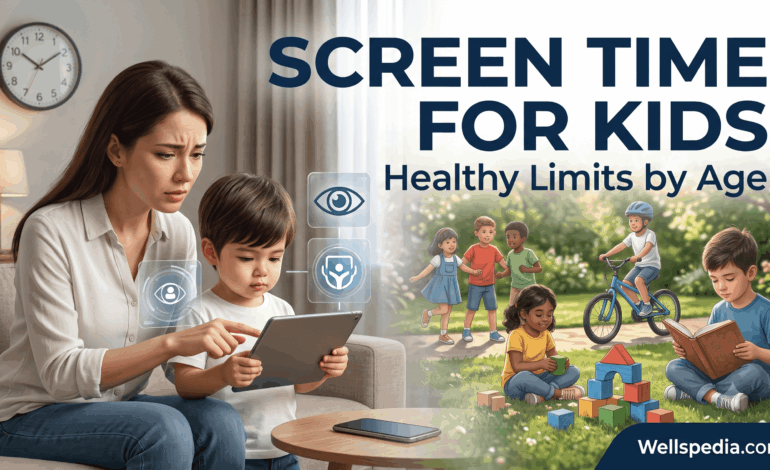
Screens are now a part of everyday life. From online learning and video calls to games and cartoons, children spend more time in front of digital devices than ever before. While technology offers many educational benefits, too much screen time can affect a child’s physical health, emotional well-being, sleep, and development.
The key isn’t to eliminate screens completely—it’s to create healthy, balanced digital habits.
Excessive screen use can sometimes lead to eye irritation, redness, or discomfort. However, not every red eye is caused by digital screens. Viral conjunctivitis (commonly called Eye Flu) is a contagious eye infection with different causes and treatments. If you notice persistent redness, watery discharge, or swelling, learn how to recognize the symptoms and when to seek medical care in our detailed guide:
👉 Read More: Understanding Eye Flu: Symptoms, Causes, Treatment, and Prevention.
What Is Screen Time?
Screen time refers to the amount of time spent using digital devices, including:
- Smartphones
- Tablets
- Computers
- Television
- Gaming consoles
Not all screen time is harmful. Educational content watched with parents differs greatly from endless scrolling or excessive gaming.
Recommended Screen Time by Age
Health experts recommend age-appropriate limits.
Under 18 months
Avoid screen media except for video chatting with family.
18–24 months
Only high-quality educational content with active parental involvement.
2–5 years
Limit recreational screen time to about 1 hour per day.
6–12 years
Create consistent daily limits while ensuring enough sleep, physical activity, homework, and family interaction.
Teenagers
Focus on healthy digital habits rather than fixed hourly limits.
Benefits of Healthy Screen Use
When used properly, digital devices can:
- Improve learning
- Build creativity
- Support communication
- Encourage problem-solving
- Provide educational entertainment
- Improve digital literacy
The quality of content matters more than simply counting hours.
Risks of Too Much Screen Time
Excessive screen exposure has been linked to several health concerns.
1. Poor Sleep
Blue light suppresses melatonin production, making it harder to fall asleep.
Children who use screens before bedtime often:
- Sleep less
- Wake frequently
- Feel tired during school
2. Eye Strain
Extended screen use may cause:
- Dry eyes
- Headaches
- Blurred vision
- Eye fatigue
Following the 20-20-20 rule helps reduce digital eye strain.
3. Reduced Physical Activity
Long hours sitting with screens reduce movement and increase the risk of:
- Childhood obesity
- Poor posture
- Weak muscles
- Reduced fitness
4. Delayed Language Development
Young children learn language through conversation and real-life interaction.
Passive screen viewing cannot replace talking, reading, and playing with caregivers.
5. Emotional and Behavioral Problems
Heavy recreational screen use may contribute to:
- Irritability
- Anxiety
- Difficulty concentrating
- Mood swings
- Social isolation
Signs Your Child May Be Getting Too Much Screen Time
Parents should watch for warning signs such as:
- Trouble sleeping
- Declining school performance
- Frequent headaches
- Reduced interest in outdoor play
- Anger when screens are removed
- Less interaction with family
- Poor attention span
Tips for Healthy Screen Habits
Create Screen-Free Zones
Keep devices out of:
- Bedrooms
- Dining tables
- Family meals
Set Daily Limits
Use consistent rules for:
- Homework
- Entertainment
- Gaming
- Social media
Encourage Outdoor Activities
Children should spend time:
- Playing outside
- Cycling
- Sports
- Reading books
- Creative hobbies
Watch Together
Co-viewing educational content helps children learn better while allowing parents to discuss what they watch.
Avoid Screens Before Bed
Turn off screens at least one hour before bedtime.
Be a Good Role Model
Children imitate adults.
Parents who maintain healthy screen habits encourage similar behavior.
Educational vs Entertainment Screen Time
| Educational | Entertainment |
|---|---|
| Interactive learning | Endless videos |
| Reading apps | Excessive gaming |
| School assignments | Mindless scrolling |
| Creative activities | Passive watching |
Prioritize educational and interactive content whenever possible.
Frequently Asked Questions
Can screen time damage eyesight permanently?
Normal screen use does not permanently damage eyesight, but prolonged use can cause temporary digital eye strain and discomfort.
Is online learning considered harmful screen time?
No. Educational screen use differs from recreational screen use and is generally beneficial when balanced with breaks.
Should children have phones?
This depends on the child’s age, maturity, and family needs. Parents should supervise device use and establish clear digital rules.
What is the 20-20-20 rule?
Every 20 minutes, look at something about 20 feet away for at least 20 seconds to reduce eye strain.
When Should Parents Seek Medical Advice?
Consult a healthcare professional if your child has:
- Persistent headaches
- Vision problems
- Sleep difficulties
- Behavioral changes
- Developmental concerns
- Signs of screen addiction affecting daily life
Key Takeaway
Screens are a valuable part of modern childhood, but balance is essential. Setting age-appropriate limits, choosing high-quality content, encouraging physical activity, and maintaining screen-free family time can help children enjoy technology while protecting their health and development.