Zevaskyn: A Breakthrough Gene Therapy for RDEB
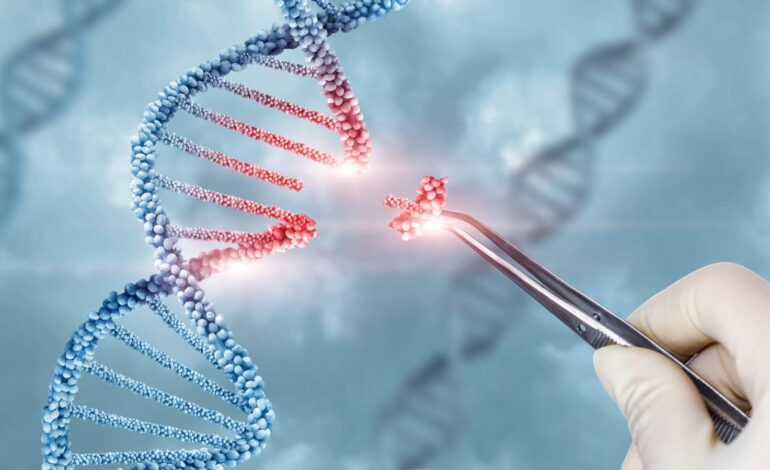
Recessive Dystrophic Epidermolysis Bullosa (RDEB) is a rare and severe genetic disorder. People often call it “butterfly skin” disease because the skin becomes extremely fragile. Even slight friction can cause painful blisters, open wounds, and permanent scarring.
Moreover, RDEB affects more than just the skin. It can damage the lining of the mouth and esophagus. As a result, patients often struggle with eating, malnutrition, and poor growth.
Traditional Treatment: Managing Symptoms Only
Historically, doctors focused on managing symptoms rather than curing the disease. Treatment mainly included:
-
Intensive wound care
-
Infection prevention
-
Pain management
However, these methods did not address the root genetic cause of RDEB.
A Breakthrough: FDA Approval of Zevaskyn™
In April 2025, the U.S. Food and Drug Administration (FDA) approved Zevaskyn™ (pz-cel). This therapy became the first cell-based gene therapy for RDEB.
As a result, treatment has shifted from symptom control to genetic correction. This marks a major milestone in modern medicine.
Understanding RDEB: The Root Cause
RDEB develops due to mutations in the COL7A1 gene. This gene produces Type VII collagen, which anchors the skin layers together.
In healthy individuals, this collagen acts like a “biological glue.” However, in RDEB patients:
-
The collagen is missing or defective
-
Skin layers separate easily
-
Even minor contact causes injury
Additionally, internal tissues like the esophagus also become fragile.
Types of RDEB
RDEB appears in different forms depending on gene mutations:
1. RDEB-Severe (RDEB-S)
This is the most serious type. Patients develop chronic wounds from birth. Over time, scarring can fuse fingers and narrow the esophagus.
2. RDEB-Intermediate
This type is less severe. Some functional collagen remains, but symptoms still persist.
3. RDEB-Inversa
Blisters mainly appear in areas like the armpits, neck, and groin. However, esophageal problems are common.
4. DEB Pruriginosa
This subtype causes intense itching. Continuous scratching leads to thick, scar-like lesions.
How Zevaskyn Works
Zevaskyn uses an ex vivo gene therapy approach. In simple terms, scientists modify the patient’s cells outside the body and then reapply them.
Step-by-Step Process
-
Skin Biopsy
Doctors collect a small skin sample from the patient. -
Genetic Correction
Scientists insert a healthy COL7A1 gene into the cells using a viral vector. -
Cell Growth
They grow these corrected cells into sheets of skin. -
Surgical Application
Doctors graft the engineered skin onto wounds.
After application, these cells produce healthy collagen and strengthen the skin.
Is Zevaskyn a Cure?
Zevaskyn is not a complete cure. It does not fix every cell in the body. However, it provides long-term healing.
Clinical studies show that treated wounds can remain improved for around 6.9 years. Therefore, it offers durable and meaningful relief.
Zevaskyn vs Vyjuvek: Key Differences
Both therapies target the same gene but work differently.
Zevaskyn
-
Uses corrected cells grown in a lab
-
Requires a surgical procedure
-
Offers long-lasting results
Vyjuvek
-
Applied as a topical gel
-
Uses a viral vector directly on wounds
-
Requires repeated applications
Thus, Zevaskyn provides a one-time, long-term solution, while Vyjuvek offers a non-invasive, ongoing treatment.
Clinical Trial Results
The Phase III VIITAL™ study showed strong results:
-
81% of wounds healed more than 50% within six months
-
Only 16% of control wounds showed similar improvement
-
Patients reported significant pain reduction
-
Side effects were mild and manageable
These findings confirm both effectiveness and safety.
Patient Support and Access
Patients are expected to receive treatment starting in late 2025. Additionally, the Abeona Assist™ Program helps patients by:
-
Providing treatment guidance
-
Offering financial support assistance
-
Managing logistics
Future Impact of Gene Therapy
The approval of Zevaskyn represents a major advancement. It validates the potential of cell-based gene therapy for genetic skin diseases.
Furthermore, it opens doors for future innovations. Most importantly, it offers hope for:
-
Better wound healing
-
Reduced pain
-
Improved quality of life
Conclusion
RDEB is a life-altering condition. However, therapies like Zevaskyn are changing the landscape. Instead of only treating symptoms, doctors can now target the root cause.
As a result, patients can look forward to longer-lasting relief and a better future. This breakthrough marks a turning point in both dermatology and genetic medicine.