PCOS vs PMOS: What Does the Name Change Mean? Symptoms, Causes & Treatment
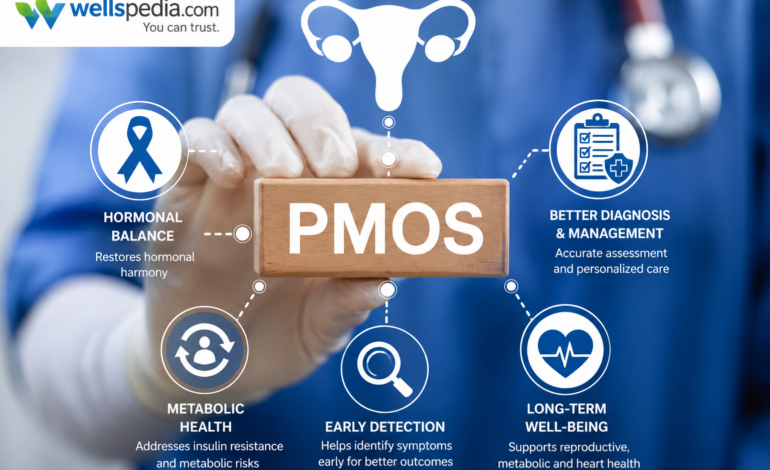
PCOS vs PMOS is becoming an important topic in women’s health as medical experts propose a new name for Polycystic Ovary Syndrome. While the condition itself has not changed, the proposed term Polyendocrine Metabolic Ovarian Syndrome (PMOS) better reflects its effects on hormones, metabolism, and reproductive health. Understanding PCOS vs PMOS helps patients recognize that this condition involves much more than ovarian cysts.
Why Is the Name Changing?
The term PCOS has often been misunderstood because it suggests that ovarian cysts are the main feature of the condition. However, many women diagnosed with PCOS do not have ovarian cysts, while others with cyst-like ovaries may never develop the syndrome.
The proposed name PMOS highlights that this condition involves:
- Hormonal imbalance
- Metabolic dysfunction
- Ovarian abnormalities
- Long-term health risks
This change aims to improve awareness and encourage a more comprehensive approach to diagnosis and treatment.
What Does PMOS Mean?
Each part of the name describes an important aspect of the condition:
Polyendocrine
PMOS affects several hormone-producing glands, leading to imbalances in insulin, androgens, estrogen, and other hormones.
Metabolic
Many people with PMOS experience insulin resistance, making them more likely to develop prediabetes, type 2 diabetes, fatty liver disease, and cardiovascular problems.
Ovarian
The ovaries remain an important part of the condition because irregular ovulation and menstrual problems are common features.
Common Symptoms
Symptoms vary from person to person but may include:
- Irregular or missed periods
- Excess facial or body hair
- Persistent acne
- Hair thinning
- Difficulty becoming pregnant
- Weight gain
- Dark patches of skin
- Mood changes and fatigue
Not everyone experiences the same symptoms, which is why early medical evaluation is important.
Will Diagnosis Change?
No. The proposed name change does not alter the current diagnostic criteria.
Doctors still diagnose the condition based on a combination of:
- Irregular ovulation or menstrual cycles
- High androgen levels or related symptoms
- Polycystic appearance of the ovaries on ultrasound
Other medical conditions must also be ruled out before confirming the diagnosis.
Will Treatment Be Different?
Current treatments remain the same. Management focuses on controlling symptoms and reducing long-term health risks.
Treatment may include:
- Healthy eating and regular exercise
- Weight management
- Hormonal medications to regulate periods
- Fertility treatments for women trying to conceive
- Medications such as metformin to improve insulin sensitivity
The new terminology simply encourages doctors to pay closer attention to overall metabolic and cardiovascular health.
PCOS vs. PMOS: Quick Comparison
| Feature | PCOS | PMOS |
|---|---|---|
| Disease | Same condition | Same condition |
| Name Focus | Ovaries | Hormones, metabolism, and ovaries |
| Diagnosis | No change | No change |
| Treatment | No change | No change |
| Main Goal | Manage symptoms | Manage symptoms and long-term health |
Why the New Name Matters
Renaming PCOS to PMOS helps people understand that the condition is more than a reproductive disorder. It encourages earlier diagnosis, better monitoring of metabolic health, and comprehensive care that addresses hormonal, emotional, and cardiovascular well-being.
Conclusion
The shift from PCOS to PMOS reflects advances in medical knowledge rather than a new disease. While the diagnosis and treatment remain unchanged, the updated name better describes the condition’s effects on multiple body systems. Greater awareness can help patients receive earlier diagnosis, personalized treatment, and better long-term care.
Frequently Asked Questions
Is PMOS a new disease?
No. PMOS is the proposed new name for the condition traditionally known as PCOS.
Do I need new tests if I have PCOS?
Not necessarily. Your healthcare provider may recommend additional metabolic screening based on your individual health.
Can PMOS be cured?
There is currently no cure, but symptoms can be effectively managed through lifestyle changes, medications, and regular medical care.
Will doctors stop using the term PCOS?
Many healthcare professionals may continue using both PCOS and PMOS during the transition period.