The Jaw–Pelvic Floor Connection: What Science and Clinical Practice Reveal
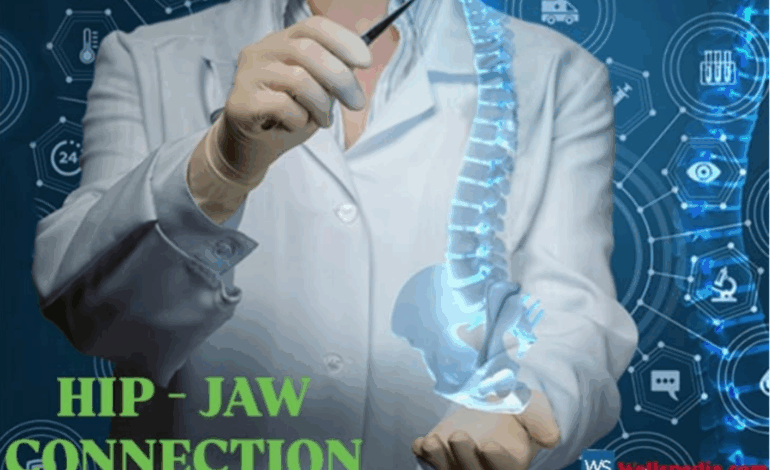
The human body does not function in isolated parts. Instead, it operates as an integrated system where distant regions influence one another through shared anatomy, nerves, fascia, and movement patterns. One of the most intriguing—and often overlooked—relationships is the connection between the jaw and the pelvic floor.
Clinicians across disciplines such as physiotherapy, dentistry, osteopathy, and chiropractic care are increasingly recognizing that dysfunction in the jaw can contribute to hip and pelvic issues, and vice versa. Understanding this connection can be a turning point for people struggling with persistent pain that does not respond to localized treatment alone.
This article explores the scientific and biomechanical basis of the jaw–pelvic floor link and explains how addressing both regions together can lead to better clinical outcomes.
Why the Jaw and Pelvis Are Not Separate Systems
Although the jaw and pelvis are far apart anatomically, they are connected through multiple layers of the body’s design. These links begin early in development and continue throughout life via connective tissue, nerve pathways, posture, and movement coordination.
Developmental Origins: A Shared Blueprint
The jaw–pelvis relationship begins during embryonic development. Structures of the face, jaw, spine, and pelvis develop under the influence of interconnected cellular systems, including neural crest cells and mesodermal tissues.
These cells contribute not only to bone formation but also to muscles, connective tissue, and nerve pathways. Because of this shared developmental influence, the jaw and pelvis retain subtle but meaningful coordination in muscle tone, nerve signaling, and movement patterns throughout adulthood.
This helps explain why dysfunction in one region may surface as pain or imbalance in another seemingly unrelated area.
Fascia: The Body’s Tension Highway
One of the strongest physical links between the jaw and pelvis is the fascial system. Fascia is a continuous, fibrous connective tissue network that surrounds muscles, organs, nerves, and bones, transmitting force and tension throughout the body.
According to myofascial continuity models, such as those described in Anatomy Trains, several fascial pathways link the jaw to the hips and pelvic floor:
-
Superficial Front Line: Connects facial structures through the chest and abdomen to the pelvis
-
Lateral Line: Links jaw muscles with the outer hips and thighs
-
Spiral Line: Coordinates rotational movements between the head, spine, and pelvis
Restriction, injury, or chronic tension in one segment of these lines can affect the entire chain. For example, persistent jaw clenching may increase fascial tension down toward the pelvis, while hip stiffness can subtly alter head and jaw posture.
Nervous System Integration: A Two-Way Conversation
The nervous system provides a powerful communication pathway between the jaw and pelvic floor.
Key Nerves Involved
-
Trigeminal Nerve (Cranial Nerve V): Controls jaw movement and facial sensation; closely linked to head and neck posture
-
Vagus Nerve (Cranial Nerve X): Regulates internal organs, breathing, digestion, and pelvic floor activity
These nerves interact through brainstem and spinal pathways. Excessive jaw tension can activate stress responses, increasing pelvic floor tone. Conversely, chronic pelvic pain or dysfunction can heighten sensitivity in jaw muscles through central nervous system sensitization.
Breathing, balance, and proprioception also depend on coordination between the jaw, diaphragm, spine, and pelvis—making this relationship highly dynamic.
Posture: Where the Jaw and Pelvis Meet
Posture is one of the most visible expressions of the jaw–pelvis relationship. The pelvis acts as the foundation of the spine, while the jaw sits at the top of the postural chain.
Pelvic Position and Its Effects
-
Anterior Pelvic Tilt: Often leads to exaggerated lower back curvature and forward head posture, increasing strain on jaw muscles
-
Posterior Pelvic Tilt: Can flatten the spine and shift jaw positioning backward or downward
Likewise, jaw misalignment or TMJ disorders can alter head position, triggering compensatory changes through the spine and into the hips. Over time, these adaptations may result in hip pain, sacroiliac joint stress, or asymmetrical movement patterns.
How Hip Dysfunction Can Trigger Jaw Problems
Hip and pelvic issues frequently initiate postural changes that affect the jaw.
Common Contributing Factors
-
Pelvic tilt altering spinal alignment
-
Functional or structural leg length differences
-
Sacroiliac joint instability
-
Muscle imbalances (tight hip flexors, weak glutes)
These changes often lead to forward head posture, increased neck tension, and overload of the jaw muscles, increasing the risk of TMJ pain and restricted jaw movement.
How Jaw Dysfunction Can Affect the Hips
The relationship also works in the opposite direction.
Jaw Conditions That Influence Pelvic Function
-
TMJ Disorders: Can alter head and spinal alignment, creating compensatory pelvic shifts
-
Bruxism (teeth grinding): Increases muscular tension throughout the body, including the hips
-
Restricted Breathing: Jaw tension may reduce airway space, encouraging shallow breathing that disrupts core and pelvic floor coordination
Neurological feedback loops between jaw control centers and pelvic regulation further reinforce these patterns.
Signs That May Indicate a Jaw–Pelvic Floor Connection
You may want to consider a whole-body assessment if you experience:
-
Jaw pain alongside hip or pelvic discomfort
-
TMJ clicking with uneven posture or gait
-
Chronic neck and shoulder tightness with pelvic misalignment
-
Uneven tooth wear paired with spinal or hip asymmetry
-
Jaw symptoms that worsen with prolonged sitting or standing
Jaw Pain After Pregnancy: A Special Consideration
Pregnancy places significant demands on posture, hormone balance, and the pelvic floor. Changes in body mechanics, combined with stress and disrupted sleep, may increase jaw clenching and TMJ symptoms.
Postpartum pelvic floor tension can also contribute to jaw tightness through shared neuromuscular pathways. Some clinicians have observed overlapping pain patterns between TMJ disorders and gynecological conditions, although more research is needed to fully understand these links.
Treatment Approaches That Address Both Regions
Medical and Clinical Care
-
TMJ-focused dental therapies (splints, bite correction)
-
Pelvic floor physiotherapy
-
Multidisciplinary assessment for persistent symptoms
Manual and Complementary Therapies
-
Myofascial release and soft tissue mobilization
-
Osteopathic or chiropractic care
-
Stress management and nervous system regulation techniques
Exercise and Movement Therapy
-
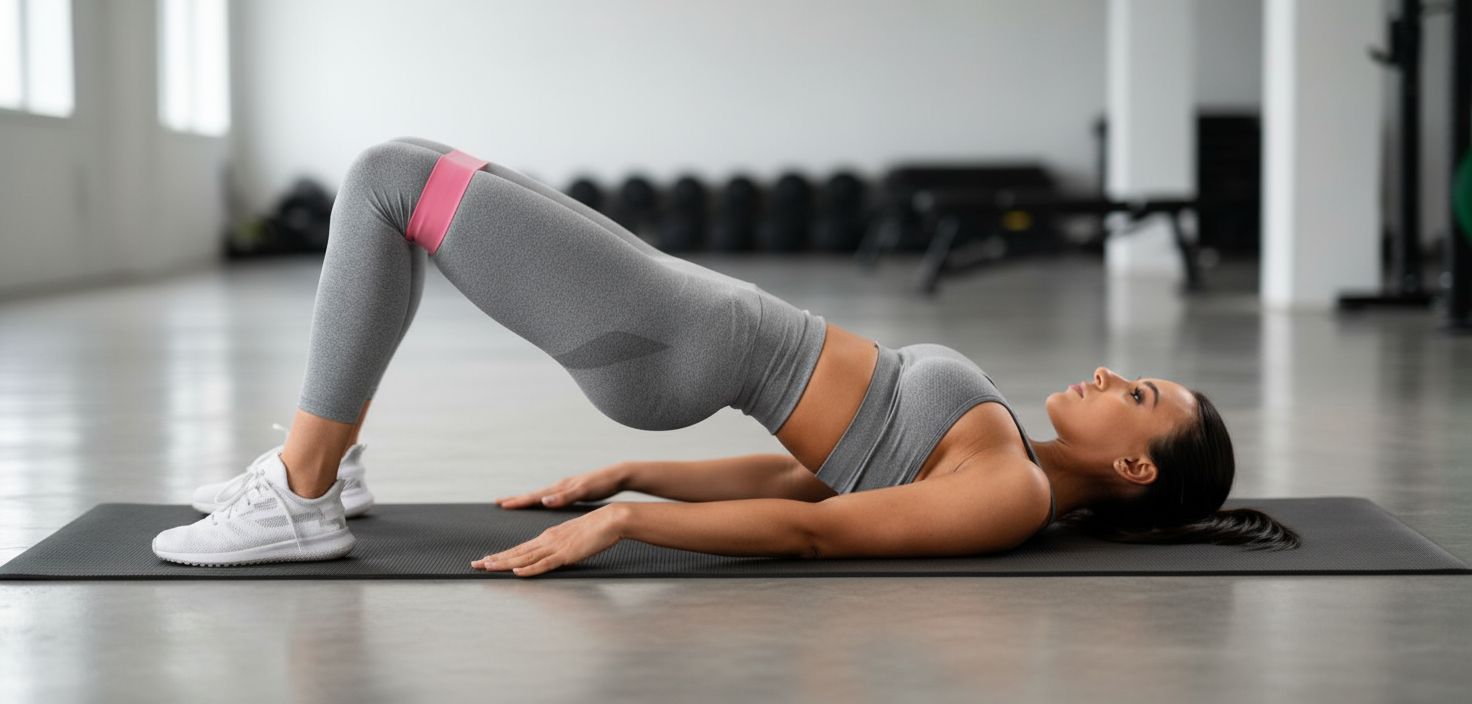
Postural retraining (pelvic tilts, chin tucks)
-
Strengthening of glutes, deep core, and neck stabilizers
-
Controlled movement practices such as Pilates and yoga
Exercises That Encourage Jaw and Pelvic Floor Relaxation
-
Diaphragmatic breathing: Supports nervous system balance
-
Jaw resting position: Tongue gently resting on the palate with relaxed lips
-
Hip-opening yoga poses: Such as pigeon pose
-
Gentle self-myofascial release: For hips and jaw muscles
Final Thoughts
The jaw and pelvic floor are deeply connected through development, fascia, nerve pathways, posture, and movement control. Treating one area without considering the other may leave the root cause unresolved.
By recognizing this relationship, patients and practitioners can adopt more integrated treatment strategies—leading to improved pain relief, better posture, and more sustainable recovery. Addressing the body as a coordinated system, from the pelvis to the jaw, reflects a more complete and effective approach to musculoskeletal and neuromuscular health.