The Powerful Role of Leg Strength in Healthy Aging and Longevity

Leg strength is not just about physical appearance or athletic ability—it plays a central role in how well we age. Strong lower body muscles are closely linked to independence, mobility, and even lifespan. As research continues to evolve, it has become clear that maintaining leg strength is one of the most effective ways to support overall health, especially as we grow older.
From reducing the risk of falls to supporting brain function, the benefits of strong legs extend far beyond simple movement.
Why Lower Body Strength Matters More Than You Think
The muscles in your legs—such as the quadriceps, hamstrings, calves, and glutes—are among the largest and most active in the body. These muscles are essential for everyday activities like walking, standing, and climbing stairs.
But their importance goes deeper:
-
They help maintain balance and stability
-
They reduce the likelihood of falls and injuries
-
They support metabolic health and blood sugar control
-
They contribute to bone strength
-
They are increasingly linked to brain health and cognitive function
In simple terms, strong legs help you stay active, independent, and healthier for longer.
Understanding Age-Related Muscle Loss
As we age, our bodies naturally lose muscle mass and strength—a condition known as sarcopenia. This process can begin as early as our 30s and becomes more noticeable after 50.
If not addressed, it can lead to:
-
Reduced mobility
-
Increased risk of falls
-
Loss of independence
-
Higher chances of chronic illness
Let’s look at the main causes behind this decline.
Key Causes of Declining Leg Strength
1. Loss of Muscle Fibers
With age, both the size and number of muscle fibers decrease. Fast-twitch fibers, which are responsible for quick movements and reactions, are especially affected. This makes it harder to recover from slips or sudden movements.
2. Lack of Physical Activity
A sedentary lifestyle accelerates muscle loss. When muscles are not regularly used, they weaken and shrink—a classic “use it or lose it” situation.
3. Hormonal Changes
Aging reduces important hormones like testosterone, estrogen, and growth hormone. These are essential for muscle repair and growth, making it harder to maintain strength over time.
4. Nervous System Changes
Muscles rely on nerve signals to function properly. With age, nerve efficiency declines, leading to weaker coordination, slower reflexes, and reduced muscle activation.
5. Poor Nutrition
Many older adults consume less protein and essential nutrients. Deficiencies in protein, vitamin D, and amino acids can significantly impact muscle health and recovery.
6. Chronic Health Conditions
Conditions like diabetes, arthritis, and heart disease can indirectly weaken muscles by limiting movement, reducing circulation, or increasing inflammation.
How Strong Legs Support Overall Health
Improved Balance and Stability
Strong leg muscles help stabilize the body and prevent unnecessary strain on smaller muscles.
Lower Risk of Falls
Falls are a major concern in older adults. Strong legs improve reaction time and help prevent serious injuries.
Better Metabolic Function
Leg muscles play a major role in burning calories and regulating blood sugar, reducing the risk of metabolic disorders.
Stronger Bones
Weight-bearing activities stimulate bone growth, helping prevent conditions like osteoporosis.
Enhanced Brain Health
Emerging research shows a connection between leg strength and slower cognitive decline, possibly due to improved blood flow and beneficial hormone release.
What Research Says About Leg Strength and Longevity
Scientific studies have revealed that lower body strength may be a strong predictor of overall health and survival. In fact, some research suggests that leg strength can be a more accurate indicator of longevity than traditional markers like body weight or blood pressure.
Long-term studies have also shown that individuals with stronger legs tend to experience:
-
Slower brain aging
-
Better memory retention
-
Reduced risk of cognitive disorders
This connection may be due to increased blood circulation, improved metabolic health, and the release of brain-supporting proteins during exercise.
Best Exercises to Build Leg Strength
A well-balanced routine should include strength training, functional movements, and balance exercises.
Strength Training Exercises
-
Squats – Target multiple muscle groups and improve overall strength
-
Lunges – Enhance balance and single-leg stability
-
Step-Ups – Mimic real-life movements like climbing stairs
-
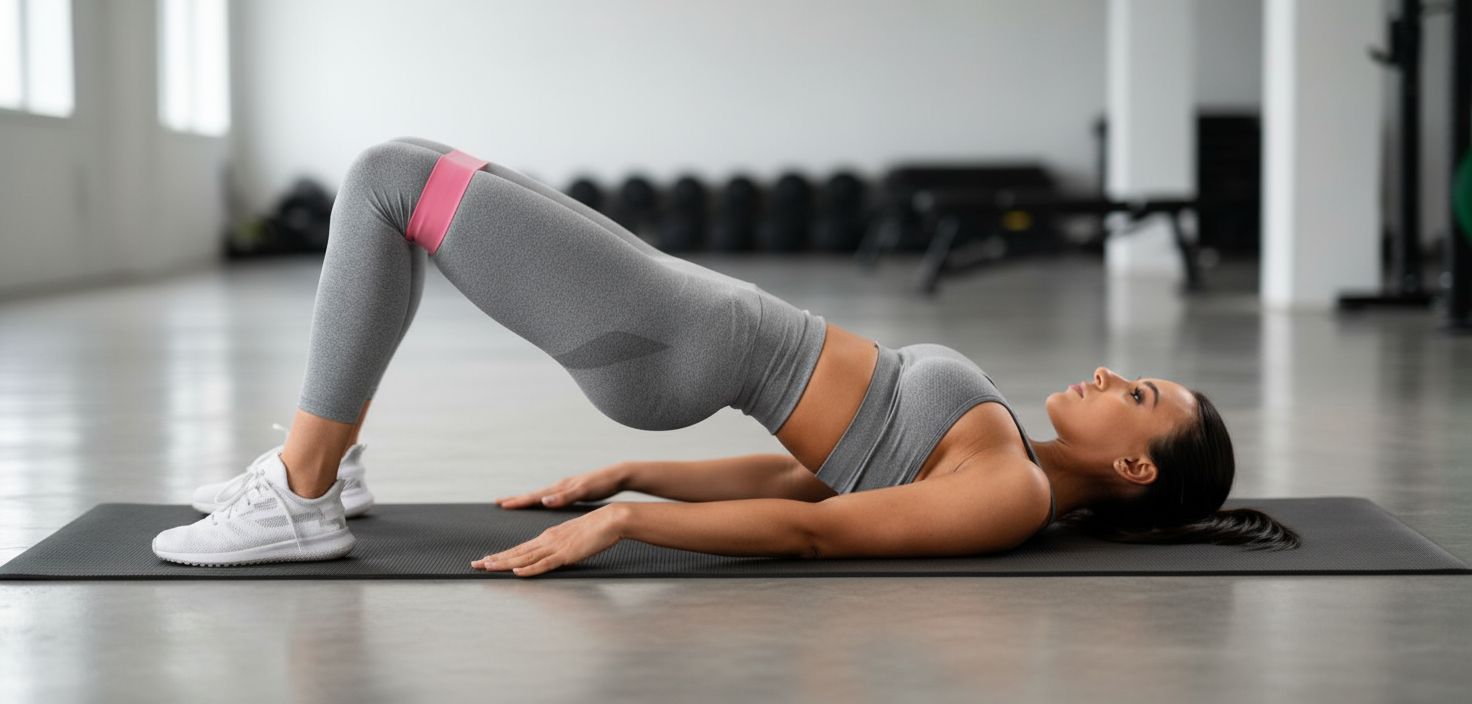
Glute Bridges – Strengthen the lower back and hips
-
Leg Press (Gym-based) – Safe and controlled muscle strengthening
Low-Impact Options (For Beginners or Joint Pain)
-
Chair squats
-
Seated leg extensions
-
Resistance band exercises
These are gentle yet effective ways to build strength without putting stress on joints.
Balance and Stability Exercises
-
Standing on one leg
-
Heel-to-toe walking
-
Side leg raises
These exercises improve coordination and reduce fall risk.
Simple Ways to Measure Your Leg Strength
You don’t always need advanced equipment. These basic tests can give useful insights:
-
Sit-to-Stand Test – Count how many times you can stand up in 30 seconds
-
Timed Up-and-Go Test – Measures mobility and walking speed
-
Single-Leg Balance Test – Assesses stability
Tracking progress over time can help you stay motivated and consistent.
Real-Life Benefits People Experience
People who regularly train their legs often notice:
-
Easier movement in daily life
-
Greater confidence in walking and balance
-
Reduced fatigue
-
Improved mood and mental well-being
-
Increased independence
Final Thoughts
Leg strength is one of the most important yet overlooked aspects of long-term health. It affects not only how you move, but also how you think, feel, and age.
The good news? It’s never too late to start.
By incorporating regular lower body exercises into your routine, you can significantly improve your quality of life, reduce health risks, and stay independent for years to come.