Tips to Strengthen and Maintain Your Dental Health
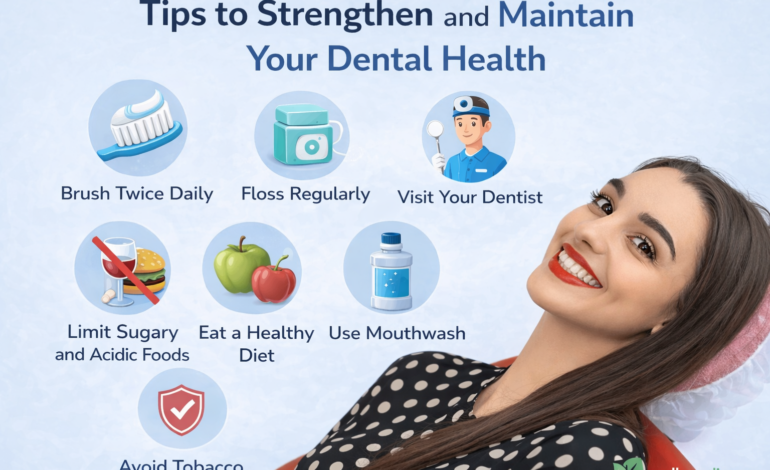
Good dental health is more than just having a bright smile—it plays a crucial role in your overall well-being. Healthy teeth and gums allow you to eat comfortably, speak clearly, and maintain confidence in social situations. With proper care and awareness, most dental problems can be prevented.
What is Dental Health?
Dental health refers to the condition of your entire oral system, including teeth, gums, tongue, and jaw. Strong, cavity-free teeth and firm, pink gums are signs of a healthy mouth. Fresh breath also reflects good oral hygiene, while persistent bad breath may indicate underlying dental issues like decay or infection.
Global Overview of Dental Health
Oral diseases are among the most common health problems worldwide. Millions of people avoid regular dental visits, leading to untreated conditions. Tooth decay, gum disease, and oral cancer are major concerns globally, affecting billions.
Poor oral health not only causes physical discomfort but also affects confidence, communication, and overall quality of life.
Common Dental Problems and Their Causes
1. Tooth Decay (Cavities)
Tooth decay occurs when bacteria in the mouth produce acids that damage tooth enamel.
Main causes:
-
High sugar intake
-
Poor oral hygiene
-
Lack of fluoride
-
Dry mouth
-
Genetic factors
2. Gum Disease (Periodontal Disease)
This condition affects the gums and supporting tissues of the teeth.
Causes include:
-
Plaque buildup
-
Smoking
-
Hormonal changes
-
Diabetes
-
Poor nutrition
If untreated, it can lead to tooth loss.
3. Misaligned Teeth (Malocclusion)
This occurs when teeth or jaws are not properly aligned.
Common reasons:
-
Genetics
-
Childhood habits (thumb sucking, mouth breathing)
-
Early tooth loss
-
Jaw growth issues
4. Oral Cancer
A serious condition affecting the mouth, tongue, and throat.
Risk factors:
-
Tobacco use
-
Excess alcohol consumption
-
Viral infections (like HPV)
-
Long-term irritation
Signs of Poor Oral Health
Watch out for these warning signs:
-
Bleeding or swollen gums
-
Persistent bad breath
-
Tooth pain or sensitivity
-
Loose teeth
-
Mouth sores or infections
Ignoring these symptoms can lead to serious complications.
How Oral Health Affects Overall Health
Poor dental hygiene doesn’t just affect your mouth—it can impact your entire body.
Possible Health Risks:
-
Heart disease
-
Diabetes complications
-
Respiratory infections
-
Pregnancy issues
-
Bone loss (osteoporosis)
Bacteria from the mouth can enter the bloodstream and contribute to systemic diseases.
Why Oral Hygiene is Important
Maintaining oral hygiene helps:
-
Prevent cavities and gum disease
-
Reduce medical expenses
-
Improve confidence
-
Support overall health
Regular dental care ensures early detection and treatment of problems.
Benefits of Good Dental Care
-
Strong and healthy teeth
-
Fresh breath
-
Better digestion
-
Improved speech
-
Enhanced self-confidence
Best Tips to Maintain Dental Health
Brush Twice Daily
Brush your teeth for at least 2 minutes using a soft-bristled toothbrush. Use proper technique and replace your brush every 3–4 months.
Floss Every Day
Flossing removes plaque and food particles between teeth where brushing cannot reach.
Clean Your Tongue
Use a tongue scraper or toothbrush to remove bacteria and prevent bad breath.
Use Mouthwash
Mouthwash helps reduce bacteria and freshen breath. Use it as a supplement, not a replacement for brushing.
Use Fluoride Products
Fluoride strengthens enamel and helps prevent cavities. Use fluoride toothpaste and drink fluoridated water if available.
Maintain a Healthy Diet
Eat more:
-
Fruits and vegetables
-
Dairy products
-
Fiber-rich foods
Avoid:
-
Sugary snacks
-
Acidic drinks
-
Sticky foods
Avoid Harmful Habits
-
Smoking damages gums and teeth
-
Teeth grinding can cause damage
-
Frequent snacking increases cavity risk
Visit Your Dentist Regularly
Routine check-ups help detect issues early and maintain oral hygiene through professional cleaning.
Special Care During Pregnancy
Hormonal changes during pregnancy can increase the risk of:
-
Gum inflammation
-
Tooth decay
-
Dry mouth
Proper dental care during this period is essential for both mother and baby.
Dental Care and Implants
Good oral hygiene is critical for dental implants. Poor care can lead to infection and implant failure.
When Should You Treat Dental Problems?
Early treatment prevents complications. Seek dental care if you notice:
-
Tooth decay
-
Gum infections
-
Tooth cracks
-
Abscess (pus formation)
FAQs
Can a bad tooth cause cancer?
Not directly, but poor oral hygiene may increase the risk of oral cancers.
Is charcoal toothpaste safe?
It is not recommended for daily use as it may damage enamel.
Is chewing gum good?
Sugar-free gum can help increase saliva and reduce bacteria.
When should baby dental care start?
Start cleaning gums early, and begin brushing once teeth appear.
What do healthy teeth look like?
Healthy teeth are clean, strong, and free from pain, with firm pink gums and fresh breath.
Conclusion
Maintaining dental health is essential for a healthy life. Simple daily habits like brushing, flossing, and regular dental visits can prevent most oral problems. By taking care of your teeth today, you can avoid serious health issues in the future and enjoy a confident, healthy smile.