Whey Protein, Insulin Response, and PCOS: Understanding the Metabolic Connection
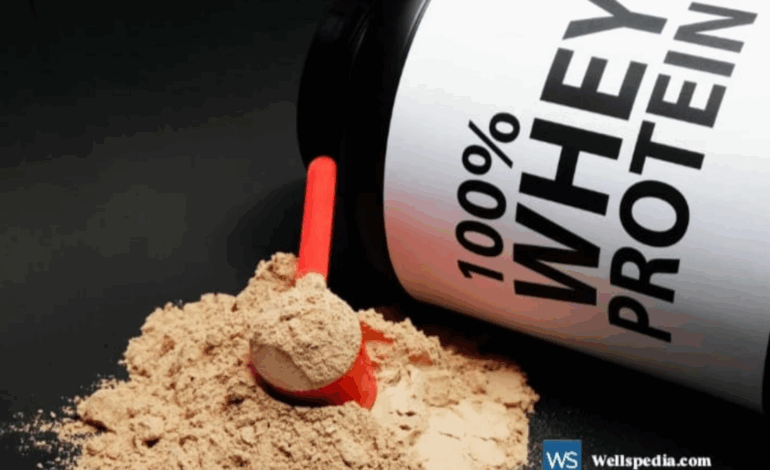
Whey protein is one of the most popular dietary supplements worldwide, widely used for muscle recovery, weight management, and overall nutritional support. Beyond fitness, researchers are increasingly examining how whey protein affects insulin regulation and what this means for metabolic disorders such as polycystic ovary syndrome (PCOS).
This article explores how whey protein influences insulin levels, whether it contributes to insulin resistance, and how women with PCOS can use it safely and effectively.
What Is Whey Protein?
Whey protein is derived from milk during the cheese-making process. When milk curdles, it separates into solid curds and a liquid portion called whey. This liquid is filtered and processed to produce whey protein powder.
What makes whey protein unique is its complete amino acid profile. It contains all nine essential amino acids that the body cannot produce on its own, making it a high-quality protein source. Whey is especially rich in branched-chain amino acids (BCAAs) such as leucine, isoleucine, and valine, which play a role in muscle building and metabolic signaling.
Common Types of Whey Protein
-
Whey Protein Concentrate (WPC):
Contains moderate protein levels with some lactose and fat. It retains more natural milk components. -
Whey Protein Isolate (WPI):
More refined, higher protein content, and very low in lactose and fat. Often preferred by those with lactose intolerance. -
Whey Protein Hydrolysate (WPH):
Pre-digested for faster absorption and easier digestion. Commonly used in clinical nutrition.
Glycemic Index vs. Insulin Response: Why Whey Is Different
Whey protein has a low glycemic index, meaning it does not significantly raise blood glucose levels. However, despite this, it can stimulate a strong insulin response, which may seem contradictory at first.
This effect occurs because insulin release is not triggered by carbohydrates alone—certain amino acids can also prompt insulin secretion.
How Whey Protein Stimulates Insulin
1. Amino Acid Signaling
Specific amino acids in whey, especially leucine, directly activate insulin release from the pancreas. This is a normal physiological process that helps the body use nutrients efficiently.
2. Incretin Hormone Activation
Whey protein increases gut hormones such as GLP-1 and GIP, which enhance insulin secretion and slow digestion. This can improve post-meal blood sugar control.
Clinical studies show that whey protein can raise insulin levels as much as, or even more than, some carbohydrate-rich foods—yet without causing sharp spikes in blood glucose.
Can Whey Protein Help Control Blood Sugar?
Yes, in many cases. Research suggests whey protein may actually improve post-meal glucose control, particularly when consumed before meals. It slows gastric emptying, increases satiety, and enhances insulin effectiveness.
Studies involving people with type 2 diabetes and gestational diabetes have shown that whey protein intake before meals can reduce postprandial glucose levels while increasing insulin and incretin hormones.
Is Whey Protein Safe for People With Diabetes?
For most individuals with diabetes, whey protein can be beneficial when used in moderation. It may help with:
-
Improved blood sugar control
-
Reduced appetite and calorie intake
-
Better weight management
-
Enhanced muscle glucose uptake
However, portion size, timing, and overall diet quality remain crucial.
Does Whey Protein Cause Insulin Resistance?
This is a common concern. Acute insulin release after eating protein is normal and not harmful. Problems arise when insulin levels remain chronically elevated, a condition known as hyperinsulinemia, which can precede insulin resistance.
Current research suggests:
-
Moderate whey protein intake, especially alongside exercise, may improve insulin sensitivity
-
Excessive or frequent intake without physical activity could contribute to prolonged insulin elevation in some individuals
Long-term studies are still limited, and individual responses vary based on genetics, lifestyle, and metabolic health.
The Link Between Whey Protein and PCOS
PCOS is a hormonal condition commonly associated with insulin resistance and elevated insulin levels, which can worsen symptoms such as irregular periods, weight gain, acne, and fertility issues.
Since insulin plays a central role in PCOS, understanding how whey protein affects insulin is especially important for women with this condition.
Potential Benefits of Whey Protein for Women With PCOS
Emerging evidence suggests whey protein may offer several advantages when used strategically:
-
Improved insulin sensitivity
-
Better body composition and fat loss
-
Reduced appetite and food cravings
-
Increased lean muscle mass and metabolic rate
-
Stabilized blood sugar levels
Some studies have also found improvements in lipid metabolism and liver fat accumulation, which is relevant because women with PCOS are at higher risk of fatty liver disease.
Important Considerations for PCOS
While whey protein can be helpful, it is not suitable for everyone.
Dairy Sensitivity
Women with PCOS may be more prone to lactose intolerance or dairy-related inflammation. In such cases, whey isolate or hydrolysate is often better tolerated.
Acne and Hormonal Effects
Whey protein has been linked to acne in some individuals. This may be related to insulin spikes and increased androgen activity, both of which can stimulate sebum production.
Product Quality
Many protein powders contain artificial sweeteners, flavors, or fillers. Choosing a clean, additive-free product is essential, particularly for hormone-sensitive individuals.
Individual Response
Not everyone responds the same way. Monitoring symptoms, digestion, skin changes, and energy levels is key.
How to Use Whey Protein Wisely for Insulin and PCOS Management
-
Serving size: 20–30 grams per serving is generally sufficient
-
Timing: Best taken with meals or around workouts
-
Pair wisely: Combine with fiber and healthy fats to moderate insulin response
-
Choose the right type: Opt for isolate or hydrolysate if lactose-sensitive
-
Avoid excess: More is not always better
-
Seek guidance: Consult a healthcare professional if you have PCOS, diabetes, or insulin resistance
Final Thoughts
Whey protein can be a valuable nutritional tool for supporting metabolic health and managing PCOS when used thoughtfully. Its insulin-stimulating effect is not inherently harmful and may even be beneficial in the right context. The key lies in moderation, timing, product quality, and individualization.
When combined with a balanced diet, regular exercise, and medical guidance, whey protein may support better insulin regulation, improved body composition, and overall well-being.