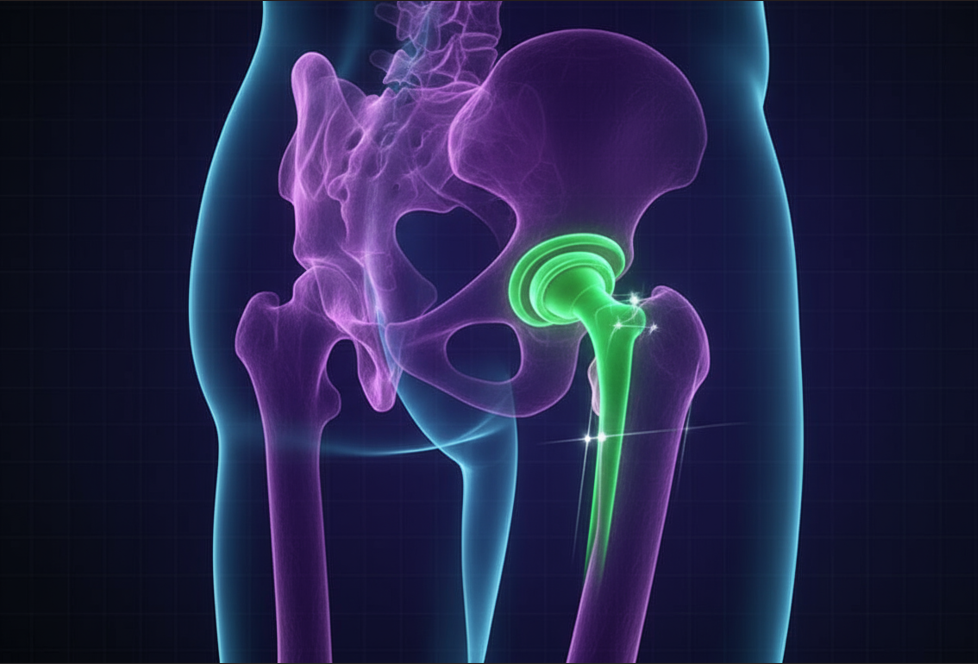
All About Crepitus: Joint Sounds and What They Mean
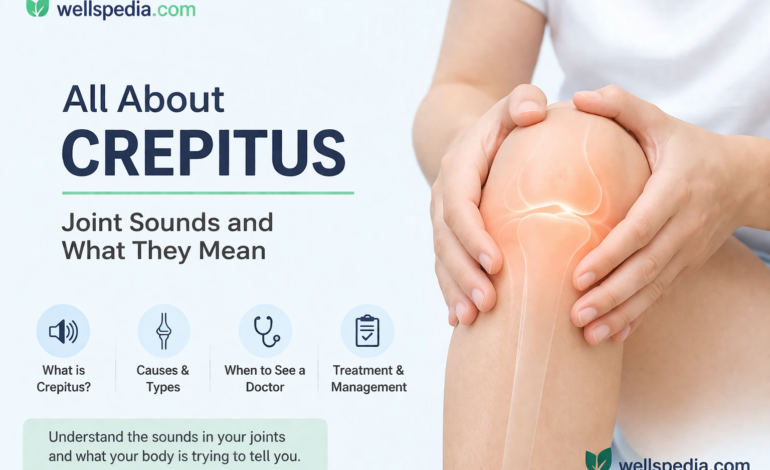
Have you ever noticed a cracking, popping, or grinding sound when moving your joints? This common phenomenon is known as crepitus. While it may feel unusual or even concerning, it is often harmless and experienced by people of all ages.
However, in some cases, these sounds can signal underlying joint problems. Understanding crepitus helps you know when it’s normal—and when to seek medical advice.
What is Crepitus?
Crepitus is the medical term used to describe sounds like cracking, clicking, or grinding that occur during joint movement. It can happen in areas such as the knees, shoulders, neck, hips, and even fingers.
In most situations, crepitus is a natural process and does not indicate a serious issue. It becomes important only when it is accompanied by pain, swelling, or stiffness.
Why Do Joints Make Sounds?
Joint sounds can occur due to several natural and mechanical reasons:
Gas Bubble Release
Joints contain fluid that lubricates movement. Tiny gas bubbles can form and burst when the joint moves, creating a popping sound.
Movement of Tendons and Ligaments
Tendons and ligaments may shift slightly over bones during motion, producing snapping or clicking sounds.
Joint Wear and Tear
With aging or joint damage, cartilage may wear down, causing rough surfaces to rub together and create grinding noises.
Common Causes of Crepitus
Crepitus may be linked to various conditions or lifestyle factors:
-
Osteoarthritis: The most common cause due to cartilage breakdown
-
Joint injuries: Sprains, dislocations, or cartilage damage
-
Overuse: Repetitive stress on joints
-
Inflammatory conditions: Such as gout or autoimmune diseases
-
Aging: Natural wear and reduced joint lubrication
Symptoms to Watch For
Most cases of crepitus are painless and harmless. However, you should pay attention if you notice:
-
Joint pain
-
Swelling or redness
-
Stiffness
-
Reduced movement
-
Warmth around the joint
These signs may indicate an underlying joint condition that requires medical evaluation.
Painful vs. Painless Crepitus
Painless Crepitus
-
Usually harmless
-
Common in everyday movement
-
Often caused by gas release
Painful Crepitus
-
May indicate joint damage or inflammation
-
Could be linked to arthritis or injury
-
Requires medical attention
When Should You See a Doctor?
Consult a healthcare professional if you experience:
-
Persistent or severe joint pain
-
Swelling or inflammation
-
Difficulty moving the joint
-
Numbness or tingling
-
Fever along with joint symptoms
Early diagnosis helps prevent further joint damage.
Treatment Options for Crepitus
Treatment depends on the cause and severity of symptoms.
Non-Surgical Management
-
Rest and ice/heat therapy
-
Physical therapy exercises
-
Weight management
-
Supportive braces or orthotics
Medications
-
Pain relievers (like NSAIDs)
-
Anti-inflammatory drugs
-
Prescription medications if needed
Advanced Treatments
-
Steroid injections for inflammation
-
Lubricating injections (hyaluronic acid)
-
Regenerative therapies like PRP
Surgical Options (Severe Cases)
-
Arthroscopic surgery
-
Removal of damaged tissue
-
Joint replacement (last option)
Tips to Manage and Prevent Crepitus
You can improve joint health with simple daily habits:
-
Stay physically active
-
Maintain a healthy body weight
-
Use proper exercise techniques
-
Eat a balanced, nutrient-rich diet
-
Stay well hydrated
-
Avoid repetitive strain on jointsMyths vs Facts About Crepitus
Myth: Joint cracking always causes arthritis
Fact: No strong evidence supports this claim
Myth: All joint sounds are harmful
Fact: Most are completely normal
Myth: Supplements can cure crepitus
Fact: No proven cure—management depends on cause
Latest Advances in Joint Health
Modern research is exploring innovative treatments for joint conditions:
-
Targeted anti-inflammatory therapies
-
Stem cell research for cartilage repair
-
Improved surgical techniques
-
Advanced biomaterials for joint support
These advancements aim to improve joint function and reduce long-term damage.
Conclusion
Crepitus is a common and often harmless condition. In most cases, it is simply a natural part of joint movement. However, if it is accompanied by pain or other symptoms, it is important to seek medical advice.
By maintaining an active lifestyle, proper nutrition, and joint care, you can keep your joints healthy and functioning smoothly.