Knee Pain: Causes, Symptoms, Treatment & Prevention
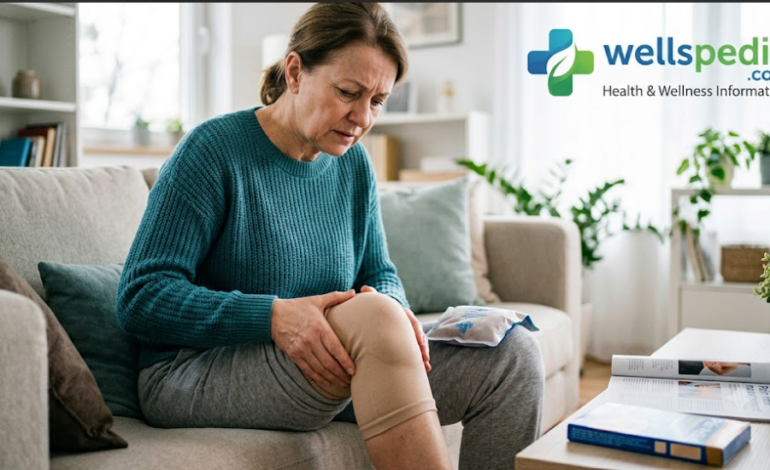
Knee pain is one of the most common musculoskeletal problems affecting people of all ages. Whether it develops after a sports injury, due to aging, or because of an underlying medical condition, knee pain can make everyday activities such as walking, climbing stairs, or standing uncomfortable. Understanding the causes, recognizing the symptoms, and seeking the right treatment can help you recover faster and prevent future problems.
In this comprehensive guide, you’ll learn everything you need to know about knee pain, including its causes, symptoms, diagnosis, treatment options, and prevention strategies.
What Is Knee Pain?
Knee pain refers to discomfort, soreness, or inflammation in or around the knee joint. The knee is one of the body’s largest and most complex joints, made up of bones, cartilage, ligaments, tendons, and muscles that work together to support movement.
Pain may occur suddenly after an injury or develop gradually due to wear and tear or chronic medical conditions.
Common Causes of Knee Pain
Several factors can contribute to knee pain. Identifying the underlying cause is the first step toward effective treatment.
1. Osteoarthritis
Osteoarthritis is the leading cause of chronic knee pain in older adults. Over time, the protective cartilage wears away, causing bones to rub together, resulting in pain and stiffness.
Symptoms
- Joint stiffness
- Swelling
- Pain during movement
- Reduced flexibility
2. Ligament Injuries
Athletes and physically active individuals commonly experience ligament injuries, especially tears of the ACL, MCL, PCL, or LCL.
These injuries often occur during:
- Sudden twisting movements
- Falls
- Contact sports
- Rapid direction changes
3. Meniscus Tear
The meniscus acts as a cushion between the thighbone and shinbone. A sudden twist while bearing weight can tear the cartilage.
Symptoms include:
- Locking sensation
- Swelling
- Difficulty bending the knee
- Pain while walking
4. Tendinitis
Inflammation of the tendons surrounding the knee is often caused by repetitive activities such as running, cycling, or jumping.
Common in:
- Runners
- Basketball players
- Cyclists
5. Bursitis
Small fluid-filled sacs called bursae reduce friction around the knee. Repeated kneeling or prolonged pressure may inflame these sacs, leading to bursitis.
6. Patellofemoral Pain Syndrome
Often known as “runner’s knee,” this condition causes pain around the kneecap.
Risk factors include:
- Overuse
- Muscle imbalance
- Poor posture
- Flat feet
7. Gout
Gout occurs when uric acid crystals build up inside joints, causing sudden episodes of severe pain and swelling.
8. Rheumatoid Arthritis
This autoimmune disease attacks joint tissues, leading to inflammation, swelling, and gradual joint damage.
Knee Pain Symptoms
Symptoms vary depending on the underlying condition but commonly include:
- Sharp or dull pain
- Swelling
- Redness
- Warmth around the joint
- Stiffness
- Clicking or popping sounds
- Difficulty walking
- Knee instability
- Reduced range of motion
Seek immediate medical attention if you experience severe swelling, inability to bear weight, deformity, or signs of infection such as fever.
Risk Factors
Several factors increase the likelihood of developing knee pain:
- Aging
- Obesity
- Previous knee injuries
- High-impact sports
- Weak leg muscles
- Poor flexibility
- Occupational strain
- Arthritis
How Knee Pain Is Diagnosed
A healthcare provider may use several methods to determine the cause of knee pain.
Medical History
Questions about:
- When the pain started
- Injury history
- Physical activity
- Existing medical conditions
Physical Examination
The doctor evaluates:
- Swelling
- Joint stability
- Range of motion
- Tenderness
Imaging Tests
These may include:
- X-rays
- MRI scans
- CT scans
- Ultrasound
Laboratory Tests
Blood tests or joint fluid analysis may be recommended when infection or inflammatory arthritis is suspected.
Knee Pain Treatment
Treatment depends on the underlying cause and severity.
1. Rest and Activity Modification
Avoid activities that worsen pain while allowing the joint time to heal.
2. Ice Therapy
Applying an ice pack for 15–20 minutes several times daily can reduce pain and swelling.
3. Compression
Elastic knee braces or compression wraps help minimize swelling and improve stability.
4. Elevation
Keeping the affected leg elevated above heart level helps decrease inflammation.
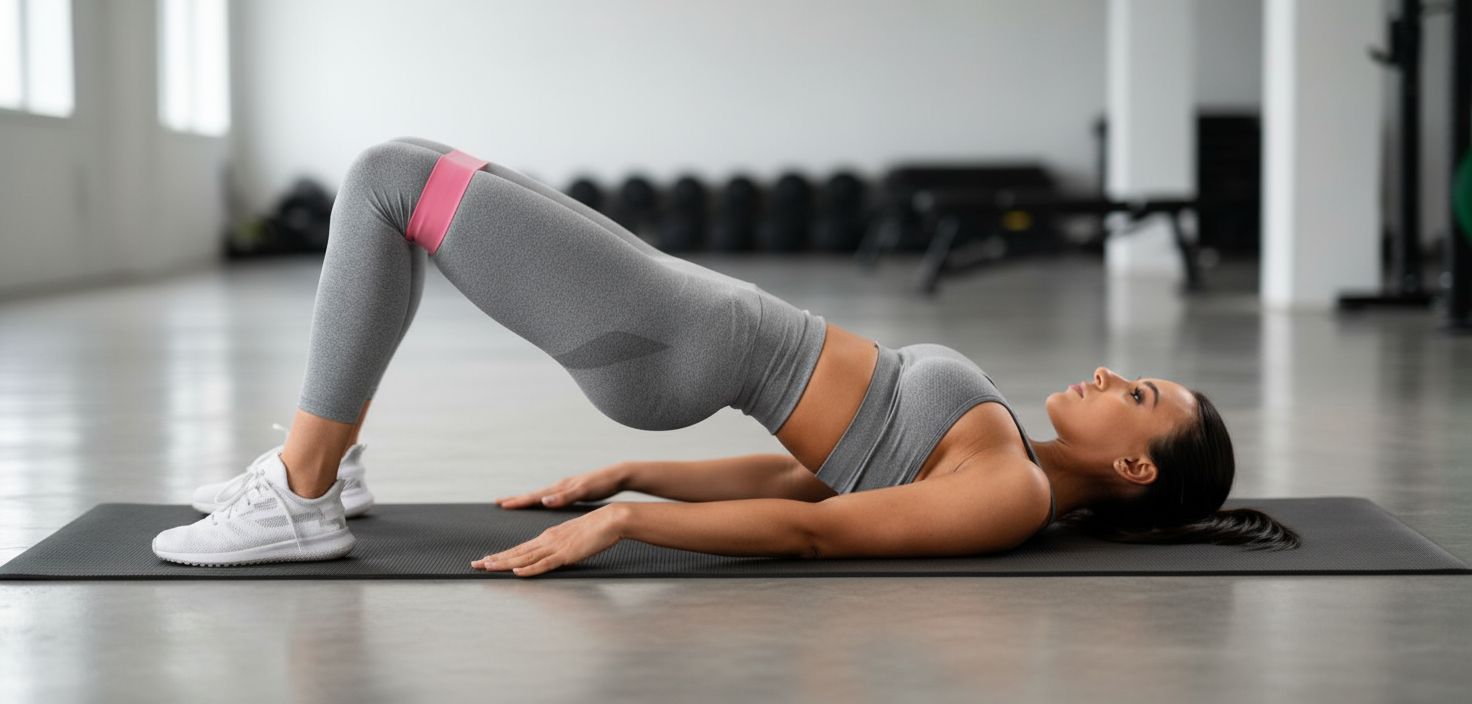
5. Physical Therapy
A structured exercise program strengthens muscles around the knee, improves flexibility, and restores function.
6. Medications
Depending on the condition, a doctor may recommend:
- Pain relievers
- Anti-inflammatory medicines
- Corticosteroid injections
- Hyaluronic acid injections
Always take medications as directed by a healthcare professional.
7. Surgery
Severe injuries or advanced arthritis may require procedures such as:
- Arthroscopy
- Ligament reconstruction
- Partial knee replacement
- Total knee replacement
Home Remedies for Knee Pain
Mild knee pain often improves with simple self-care measures.
Maintain a Healthy Weight
Reducing excess body weight decreases stress on the knee joints.
Stay Physically Active
Low-impact exercises include:
- Swimming
- Walking
- Cycling
- Yoga
Stretch Regularly
Gentle stretching keeps muscles flexible and supports healthy joint movement.
Wear Supportive Footwear
Proper shoes improve alignment and reduce pressure on the knees.
Eat an Anti-Inflammatory Diet
Include foods rich in:
- Omega-3 fatty acids
- Fruits
- Vegetables
- Nuts
- Whole grains
Preventing Knee Pain
You can lower your risk by following these healthy habits:
- Warm up before exercise
- Strengthen leg muscles
- Improve flexibility
- Use proper exercise techniques
- Wear protective gear during sports
- Avoid sudden increases in activity
- Maintain a healthy body weight
When Should You See a Doctor?
Consult a healthcare provider if you experience:
- Pain lasting more than a few days
- Severe swelling
- Inability to walk normally
- Knee locking
- Joint deformity
- Fever with knee pain
- Persistent stiffness
Early diagnosis can help prevent long-term complications.
Frequently Asked Questions (FAQs)
Can knee pain go away on its own?
Yes. Minor strains and overuse injuries often improve with rest, ice, and proper care. Persistent pain should be evaluated by a healthcare professional.
What exercises are good for knee pain?
Low-impact activities such as swimming, cycling, walking, and guided strengthening exercises are generally beneficial.
Is walking good for knee pain?
Gentle walking may help improve joint mobility in many cases, but severe pain should be assessed before continuing physical activity.
Does losing weight help knee pain?
Yes. Even modest weight loss can significantly reduce pressure on the knee joints and improve symptoms.
Can young adults experience knee pain?
Absolutely. Sports injuries, overuse, poor posture, and muscle imbalances commonly affect younger individuals.
Final Thoughts
Knee pain can range from a temporary inconvenience to a long-term condition that affects mobility and quality of life. Identifying the cause early, following an appropriate treatment plan, and adopting healthy lifestyle habits can significantly improve recovery and help prevent future problems.
If your symptoms are persistent, severe, or interfere with daily activities, seek medical evaluation for an accurate diagnosis and personalized treatment plan. Taking proactive steps today can help protect your knee health for years to come.