Understanding Overhydration: Can Drinking Too Much Water Be Dangerous?
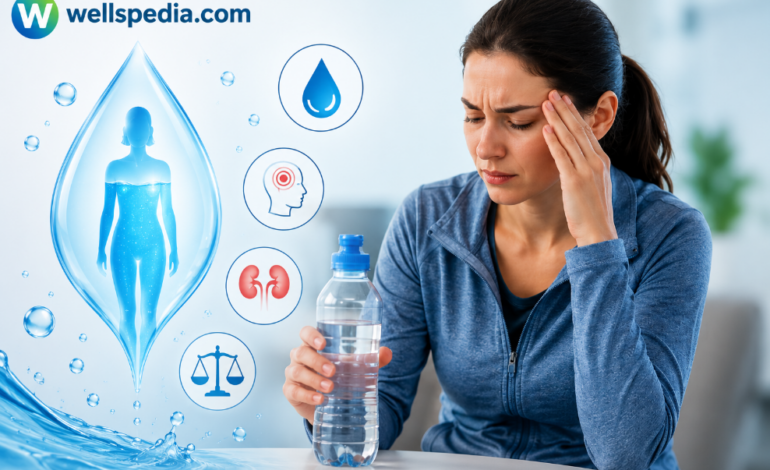
Understanding Overhydration is important because drinking too much water can be just as harmful as dehydration. While water is essential for overall health, excessive intake may dilute sodium levels, leading to electrolyte imbalance and, in severe cases, water intoxication. This guide explains the causes, symptoms, treatment, and prevention of overhydration.
What Is Overhydration?
Overhydration occurs when the body contains more water than it can effectively eliminate. When excess water accumulates, it dilutes important minerals in the bloodstream—particularly sodium.
This dilution disrupts the body’s normal fluid balance and can interfere with the function of muscles, nerves, and organs. In serious cases, excessive water intake may cause swelling of body cells, including brain cells, leading to dangerous complications.
Why Water Balance Matters
Approximately 60% of the human body consists of water. Maintaining the right balance between water and electrolytes is essential for normal body function.
Water helps with:
- Regulating body temperature
- Delivering oxygen and nutrients
- Supporting digestion
- Lubricating joints
- Removing waste through urine and sweat
- Maintaining healthy blood circulation
Your body constantly adjusts its water levels through several natural mechanisms, including:
- Thirst signals
- Kidney filtration
- Hormonal regulation
- Urine production
- Sweat loss
Together, these systems ensure that the amount of water entering and leaving the body remains balanced.
How the Body Controls Hydration
The kidneys are the body’s primary filtration system. They continuously remove excess water and waste products while conserving fluids when necessary.
Another important player is the hormone called Antidiuretic Hormone (ADH), which helps regulate how much water the kidneys retain.
When the body senses dehydration:
- ADH levels increase.
- The kidneys conserve water.
- Urine becomes more concentrated.
When too much water is consumed:
- ADH production decreases.
- The kidneys eliminate more water.
- Urine becomes lighter in color and more frequent.
Problems arise when water intake exceeds the kidneys’ ability to remove it.
How Much Water Can the Kidneys Process?
Healthy kidneys can generally eliminate around 0.8 to 1 liter (800–1000 mL) of water per hour.
Consuming significantly more than this amount within a short period may overwhelm the body’s natural filtration system, increasing the risk of overhydration.
What Happens During Overhydration?
When excessive water dilutes sodium levels in the blood, a condition called hyponatremia may develop.
Sodium is vital for:
- Muscle contractions
- Nerve signaling
- Fluid balance
- Brain function
Low sodium levels allow water to move into body cells, causing them to swell. Brain cells are particularly vulnerable because the skull limits available space for swelling.
If untreated, severe hyponatremia can result in neurological complications.
Common Causes of Overhydration
Several situations can contribute to excessive water intake or impaired water removal, including:
Drinking Too Much Water Quickly
Consuming large amounts of water within a short period is one of the most common causes.
Endurance Sports
Marathon runners, cyclists, military personnel, and endurance athletes sometimes drink excessive water without replacing lost electrolytes.
Kidney Disorders
Reduced kidney function limits the body’s ability to remove excess fluid.
Heart or Liver Disease
Certain medical conditions encourage fluid retention.
Hormonal Disorders
Conditions that increase ADH production can prevent the kidneys from removing enough water.
Mental Health Conditions
Some psychiatric disorders are associated with compulsive water drinking (psychogenic polydipsia).
Certain Medications
Some medications may promote water retention or interfere with fluid regulation, including certain pain relievers and antidepressants.
Who Has a Higher Risk?
The likelihood of overhydration is greater among:
- Endurance athletes
- Military recruits
- Individuals with kidney disease
- Heart failure patients
- Older adults
- People taking medications that affect fluid balance
- Individuals with psychiatric conditions involving excessive water consumption
Signs and Symptoms of Overhydration
Symptoms depend on how rapidly water accumulates and how low sodium levels become.
Early Symptoms
- Frequent urination
- Very clear urine
- Feeling bloated
- Mild headache
- Fatigue
- Reduced concentration
Moderate Symptoms
- Nausea
- Vomiting
- Muscle cramps
- Dizziness
- Difficulty maintaining balance
Severe Symptoms
- Confusion
- Extreme drowsiness
- Seizures
- Loss of consciousness
- Coma
Severe symptoms require immediate emergency medical attention.
Water Intoxication Explained
Water intoxication refers to the dangerous effects of excessive water consumption that significantly lowers blood sodium levels.
As sodium falls, fluid shifts into body cells, especially brain cells. Increased pressure inside the skull may produce neurological symptoms ranging from confusion to seizures and coma.
Although rare, untreated water intoxication can become life-threatening.
How Much Water Should You Drink Each Day?
Daily water needs differ based on age, body size, activity level, weather, and overall health.
General recommendations include:
Adult Men
Approximately 3.7 liters of total daily fluids from food and beverages.
Adult Women
Approximately 2.7 liters of total daily fluids.
Pregnant Women
Around 2.3–2.5 liters daily, depending on individual needs.
Breastfeeding Women
Usually require additional fluids because of milk production.
Remember that these recommendations include water obtained from fruits, vegetables, soups, and other beverages.
Hydration During Exercise
Exercise increases fluid loss through sweating, but replacing only water during prolonged activity may dilute sodium levels.
General hydration recommendations include:
- Drink 500–600 mL about 2–3 hours before exercise.
- Consume 200–300 mL every 15–20 minutes during prolonged activity.
- Replace electrolytes during long-duration or high-intensity exercise.
- Avoid drinking beyond thirst unless advised by a healthcare professional.
How Doctors Diagnose Overhydration
Diagnosis usually involves:
- Medical history
- Physical examination
- Blood electrolyte testing
- Sodium level measurement
- Kidney function tests
- Urine analysis
Doctors may also evaluate underlying medical conditions contributing to fluid imbalance.
Treatment for Overhydration
Treatment depends on severity.
Mild Cases
Many mild cases improve by:
- Reducing fluid intake
- Resting
- Monitoring symptoms
Moderate to Severe Cases
Medical treatment may include:
- Electrolyte replacement
- Medications that increase urine production (diuretics)
- Treating underlying illnesses
- Adjusting medications causing water retention
Severe hyponatremia often requires intravenous hypertonic saline under close medical supervision.
Recovery Time
Recovery varies according to the severity of the condition.
- Mild cases often improve within several hours.
- Moderate cases may take one to two days.
- Severe cases requiring hospitalization can take longer, depending on complications and underlying medical conditions.
Practical Tips to Prevent Overhydration
Healthy hydration is about balance—not simply drinking as much water as possible.
Some practical strategies include:
- Drink according to thirst.
- Sip fluids gradually throughout the day.
- Avoid consuming large volumes at once.
- Replace electrolytes after prolonged sweating.
- Monitor urine color—light yellow is generally considered a sign of adequate hydration.
- Increase fluid intake only when needed for exercise, illness, or hot weather.
New Advances in Hydration Monitoring
Researchers are developing wearable technologies that monitor hydration status in real time.
These smart devices analyze sweat composition and electrolyte loss, helping athletes and physically active individuals personalize their hydration strategies more accurately.
Although promising, many of these technologies are still undergoing further clinical evaluation.
When Should You Seek Medical Care?
Contact a healthcare provider immediately if excessive water intake is followed by:
- Persistent vomiting
- Severe headache
- Confusion
- Difficulty speaking
- Muscle weakness
- Seizures
- Loss of consciousness
Prompt treatment greatly reduces the risk of serious complications.
Final Thoughts
Water is indispensable for maintaining health, but more is not always better. While dehydration receives considerable attention, overhydration is another condition that deserves awareness.
Listening to your body’s thirst signals, avoiding excessive water consumption within short periods, and replacing electrolytes appropriately during prolonged exercise are simple yet effective ways to maintain healthy fluid balance.
If symptoms of overhydration develop or worsen, seeking prompt medical evaluation is essential to prevent potentially life-threatening complications.