Early Signs of Brain Tumor: Symptoms You Should Never Ignore
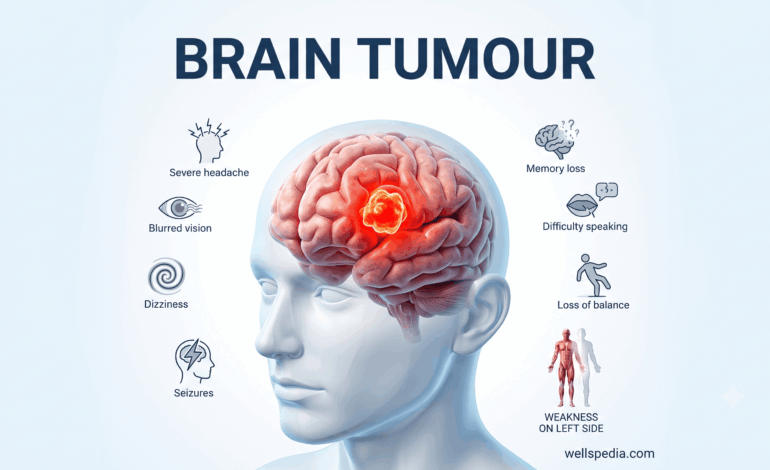
A brain tumour is an abnormal growth of cells in or around the brain. It can be benign (non-cancerous) or malignant (cancerous). Regardless of the type, a tumour may put pressure on the brain and affect important functions such as memory, vision, speech, movement, and balance.
Many of the early signs of a brain tumour are similar to common conditions like migraines, stress, or sinus problems. As a result, people often ignore these symptoms until they become more severe. However, recognising the warning signs early and seeking medical advice can improve the chances of successful treatment.
What Is a Brain Tumour?
A brain tumour develops when abnormal cells grow uncontrollably inside the brain or nearby tissues. Some tumours grow slowly over several years, while others develop rapidly and require urgent medical treatment.
Brain tumours are mainly classified into two types:
Benign Brain Tumours
-
Non-cancerous
-
Slow-growing
-
Usually do not spread to other parts of the body
-
Can still cause serious symptoms due to pressure on the brain
Malignant Brain Tumours
-
Cancerous
-
Grow more quickly
-
May invade nearby brain tissue
-
Require immediate medical treatment
Early Signs of a Brain Tumour
The symptoms depend on the size, type, and location of the tumour. Below are the most common warning signs.
1. Persistent Headaches
Headaches are one of the earliest symptoms of a brain tumour. These headaches are often different from regular headaches.
Common features include:
-
Worse in the morning
-
Become more frequent over time
-
Increase while coughing or bending
-
May not improve with pain medication
-
Can wake you from sleep
Although most headaches are not caused by a brain tumour, persistent or unusual headaches should always be evaluated by a doctor.
2. Vision Problems
A tumour pressing on the optic nerves or visual centres of the brain may cause:
-
Blurred vision
-
Double vision
-
Loss of side vision
-
Difficulty reading
-
Temporary vision loss
Any sudden or unexplained vision change should be assessed promptly.
3. Seizures
A seizure may be the first noticeable symptom of a brain tumour, even in people with no previous history of epilepsy.
Signs may include:
-
Sudden jerking movements
-
Loss of consciousness
-
Staring episodes
-
Confusion after the event
Seek emergency medical care if a seizure occurs for the first time.
4. Weakness or Numbness
A tumour affecting the motor areas of the brain can cause:
-
Weakness in one arm or leg
-
Facial drooping
-
Tingling sensations
-
Difficulty holding objects
-
Problems with coordination
These symptoms often affect only one side of the body.
5. Memory and Speech Difficulties
Some brain tumours affect areas responsible for language and memory.
Possible symptoms include:
-
Forgetfulness
-
Difficulty concentrating
-
Trouble finding the right words
-
Slurred speech
-
Confusion during conversations
6. Balance and Coordination Problems
If the cerebellum is affected, a person may experience:
-
Frequent falls
-
Dizziness
-
Poor coordination
-
Difficulty walking
-
Loss of balance
7. Personality or Behaviour Changes
Family members may notice changes before the patient does.
These changes may include:
-
Mood swings
-
Increased irritability
-
Anxiety
-
Depression
-
Poor judgement
-
Reduced motivation
Causes and Risk Factors
The exact cause of most brain tumours is unknown. However, certain factors may increase the risk.
These include:
-
Family history of brain tumours
-
Exposure to high-dose radiation
-
Certain inherited genetic conditions
-
Increasing age
-
Previous cancers that spread to the brain
Most people diagnosed with a brain tumour have no identifiable cause.
How Is a Brain Tumour Diagnosed?
Doctors use several tests to confirm the diagnosis.
Neurological Examination
This checks vision, hearing, reflexes, balance, muscle strength, and coordination.
MRI Scan
An MRI provides detailed images of the brain and is the preferred test for detecting brain tumours.
CT Scan
A CT scan may be used in emergencies or when MRI is not available.
Biopsy
A small tissue sample helps determine the exact type and grade of the tumour.
Treatment Options
Treatment depends on the tumour’s type, size, location, and overall health of the patient.
Common treatment options include:
-
Surgery to remove the tumour
-
Radiation therapy
-
Chemotherapy
-
Targeted therapy
-
Rehabilitation therapy to improve movement, speech, or daily activities
Many patients require a combination of treatments for the best possible outcome.
Can Brain Tumours Be Prevented?
There is no guaranteed way to prevent a brain tumour. However, maintaining a healthy lifestyle can support overall brain health.
Helpful habits include:
-
Eating a balanced diet
-
Exercising regularly
-
Avoiding smoking and tobacco
-
Limiting alcohol intake
-
Protecting the head from serious injuries
-
Attending regular health check-ups
When Should You See a Doctor?
Consult a healthcare professional immediately if you experience:
-
Persistent or worsening headaches
-
A first-time seizure
-
Sudden vision changes
-
Weakness or numbness on one side of the body
-
Difficulty speaking or understanding speech
-
Problems with balance or walking
-
Unexplained memory or personality changes
Early diagnosis can make a significant difference in treatment success.
Conclusion
A brain tumour is a serious medical condition, but recognising the warning signs early can improve treatment outcomes. Persistent headaches, seizures, vision problems, weakness, balance issues, and changes in memory or behaviour should never be ignored. While these symptoms do not always indicate a brain tumour, they deserve prompt medical evaluation.
If you notice any of these symptoms in yourself or a loved one, consult a qualified healthcare professional as soon as possible. Early diagnosis and appropriate treatment can help improve recovery and quality of life.
Frequently Asked Questions (FAQs)
1. What is the first sign of a brain tumour?
Persistent headaches, seizures, or vision changes are among the most common early signs.
2. Are all brain tumours cancerous?
No. Many brain tumours are benign, although they can still cause serious health problems.
3. Which scan is best for detecting a brain tumour?
An MRI scan is generally the most accurate imaging test.
4. Can young adults develop brain tumours?
Yes. Brain tumours can occur at any age, including in children and young adults.
5. Can stress cause a brain tumour?
No. There is no scientific evidence that stress directly causes brain tumours.
Key Takeaways
-
Brain tumours can be benign or malignant.
-
Persistent headaches and seizures are common warning signs.
-
Vision, speech, memory, and balance may also be affected.
-
MRI is the preferred imaging test for diagnosis.
-
Early diagnosis and timely treatment improve outcomes.