Anxiety Symptoms: 15 Physical and Mental Signs, Causes, and When to Seek Help
What Is Anxiety?
Anxiety is the body’s natural response to stress, uncertainty, or a perceived threat. Feeling anxious occasionally is normal. However, anxiety may become a mental health problem when it persists, becomes difficult to control, or starts interfering with everyday activities, relationships, school, work, or sleep.
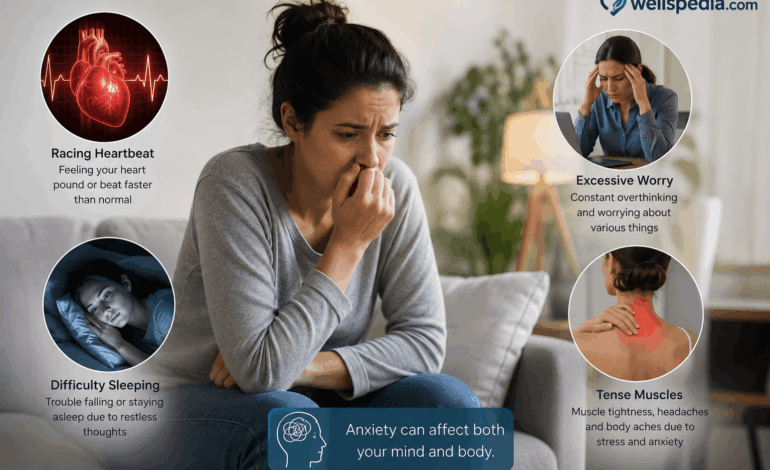
Anxiety can affect more than emotions. It can produce physical symptoms such as a faster heartbeat, sweating, dizziness, headaches, stomach problems, shaking, and breathlessness. It may also affect concentration, sleep, behaviour, and the ability to relax.
15 Common Symptoms of Anxiety
Anxiety symptoms can vary considerably from one person to another. They can generally be divided into physical, mental, and behavioural symptoms.
Physical symptoms
Common physical symptoms may include:
- Rapid or noticeable heartbeat
- Shortness of breath or faster breathing
- Dizziness or light-headedness
- Sweating
- Shaking or trembling
- Headaches
- Muscle tension
- Stomach cramps, nausea, diarrhoea, or indigestion
- Difficulty sleeping
- Fatigue or low energy
These symptoms can occur because anxiety activates the body’s stress response, which can affect heart rate, breathing, muscles, digestion, and other body systems.
Mental and emotional symptoms
Anxiety can also cause the following:
- Persistent or excessive worrying
- Feeling tense, nervous, or constantly “on edge”
- Difficulty concentrating
- Fear that something bad will happen
- Difficulty relaxing or controlling worry
Some people may also experience intrusive thoughts or become increasingly concerned about particular situations, health problems, work, relationships, or future events.
How Does Anxiety Affect Daily Life?
Anxiety becomes more concerning when it starts changing the way someone lives.
For example, a person may:
- Avoid places or situations because you feel anxious.
- Have difficulty maintaining relationships.
- Struggle at school or work.
- Find it difficult to enjoy normal activities.
- Have trouble taking care of themselves.
- Constantly check their body or seek reassurance about their health.
- Have difficulty sleeping or concentrating.
These functional changes can be important clues that anxiety may need professional assessment.
Anxiety vs Normal Stress: What’s the Difference?
Feeling anxious before an exam, interview, medical appointment, presentation, or major life event does not automatically mean you have an anxiety disorder.
Normal stress and occasional anxiety are common human experiences.
An anxiety disorder is more likely when anxiety is persistent, difficult to control, disproportionate to the situation, or significantly interferes with everyday life.
A simple comparison
| Occasional anxiety | Possible anxiety disorder |
|---|---|
| Often connected to a specific stressful situation | May persist even without an obvious immediate threat |
| Usually improves when the situation passes | May continue for a long time |
| Usually doesn’t significantly disrupt daily life | Can interfere with work, school, relationships, or daily activities |
| Worry is generally manageable | Worry may feel difficult to control |
This distinction alone cannot diagnose an anxiety disorder. A healthcare professional should assess persistent or disruptive symptoms.
What Causes Anxiety?
There isn’t always one single cause.
Research suggests that anxiety disorders can involve a combination of genetic, biological, environmental, and psychological factors. Stressful or traumatic experiences may also increase risk.
Possible contributors include:
- Major life changes
- Work or academic pressure
- Relationship difficulties
- Financial stress
- Illness or injury
- Difficult past experiences
- Chronic stress
- Family history of anxiety disorders
The cause can differ between individuals.
What Are the Different Types of Anxiety Disorders?
“Anxiety” isn’t one single condition.
Common anxiety disorders include:
Generalized Anxiety Disorder (GAD)
GAD involves excessive worry about multiple areas of life that is difficult to control and causes significant distress or impairment. For a diagnosis of GAD, clinicians consider the duration, pattern, symptoms, and impact on daily functioning.
Panic Disorder
This involves recurrent panic attacks and ongoing concern or behavioural changes related to them.
Social Anxiety Disorder
People experience significant anxiety around social or performance situations.
Phobias
These involve intense fear related to specific objects or situations.
There are also other anxiety-related conditions, and more than one condition can occur in the same person.
What Does an Anxiety Attack Feel Like?
A sudden episode of intense fear or anxiety may be a panic attack.
Possible symptoms include:
- Racing heartbeat
- Sweating
- Trembling
- Dizziness
- Feeling faint
- Nausea
- Tingling
- Rapid breathing
- Feeling out of control
- Intense fear
Panic attacks can feel frightening. However, symptoms such as chest pain, severe breathlessness, fainting, or other potentially serious physical symptoms should not automatically be assumed to be anxiety. Seek appropriate medical assessment when necessary.
How Is Anxiety Treated?
Treatment depends on the type and severity of anxiety and the person’s individual circumstances.
1. Psychotherapy
Psychotherapy, including cognitive behavioural therapy (CBT), is commonly used for anxiety disorders. CBT helps people identify unhelpful patterns of thinking and behaviour and develop healthier responses.
2. Medication
Healthcare professionals may prescribe medicines for some anxiety disorders. Depending on the condition, these may include antidepressants such as SSRIs or SNRIs and certain anti-anxiety medicines.
Medication should only be started, stopped, or changed under the guidance of an appropriate healthcare professional.
3. Lifestyle and self-care
Healthy habits can complement professional treatment.
Helpful measures can include:
- Regular physical activity
- Adequate sleep
- Regular balanced meals
- Relaxation or breathing exercises
- Mindfulness
- Talking to someone you trust
- Reducing excessive caffeine if it worsens symptoms
These approaches can support anxiety management but should not be presented as a replacement for professional treatment when someone has a significant anxiety disorder.
When Should You See a Doctor or Mental Health Professional?
Consider seeking professional help if:
- Anxiety is difficult to control.
- Symptoms are interfering with work or studies.
- Anxiety is affecting relationships.
- You’re regularly avoiding normal activities.
- Sleep is significantly affected.
- Self-help measures aren’t helping.
- You’re worried that your symptoms could be caused by a physical health condition.
A healthcare professional can assess your symptoms, consider other possible causes, and determine whether further mental-health evaluation is appropriate.
If someone is experiencing a mental-health crisis or is at immediate risk of harming themselves or someone else, seek urgent local emergency or crisis support.
Can Anxiety Cause Physical Symptoms?
Yes.
Anxiety can affect multiple body systems. Stress responses can contribute to symptoms including increased heart rate, sweating, shaking, muscle tension, headaches, stomach problems, dizziness, and breathlessness.
However, physical symptoms should not automatically be attributed to anxiety. Some symptoms can also occur with medical conditions, so persistent, severe, new, or unexplained symptoms deserve appropriate medical evaluation.
Frequently Asked Questions
What are the most common symptoms of anxiety?
Common symptoms include excessive worry, nervousness, difficulty relaxing, poor concentration, sleep problems, muscle tension, sweating, dizziness, headaches, stomach problems, shaking, and changes in breathing or heartbeat.
Can anxiety cause shortness of breath?
Yes. Anxiety can cause breathlessness or rapid breathing. However, new or severe breathing difficulty should not automatically be assumed to be anxiety and may require medical assessment.
Can anxiety cause stomach problems?
Yes. Anxiety can be associated with symptoms such as nausea, stomach cramps, indigestion, constipation, or diarrhoea.
How do I know if I have an anxiety disorder?
You cannot reliably diagnose an anxiety disorder from symptoms alone. A qualified healthcare or mental-health professional can assess the symptoms, their duration, severity, and effect on daily life.
Can anxiety be treated?
Yes. Depending on the type and severity, treatment may include psychotherapy, medication, or a combination of approaches. Healthy lifestyle habits can also complement treatment.
Key Takeaway
Anxiety is a normal response to stress, but persistent or difficult-to-control anxiety can become disruptive and may indicate an anxiety disorder. Symptoms can affect thoughts, emotions, behaviour, sleep, digestion, breathing, muscles, and the cardiovascular system.
If anxiety is interfering with everyday life or becoming difficult to manage, speaking with a qualified healthcare or mental-health professional is an important next step.
Medical Disclaimer
This article is intended for general educational purposes and does not provide a diagnosis or replace individual medical advice. Anxiety symptoms can overlap with other mental and physical health conditions. If you have persistent, severe, new, or concerning symptoms, consult an appropriately qualified healthcare professional.
Medical Sources & References
[1] NIMH — Generalised Anxiety Disorder.
[2] NHS — Anxiety, fear and panic.