Fact vs Fiction: Understanding Ivermectin’s Medical Uses, COVID-19 Claims, and Cancer Myths
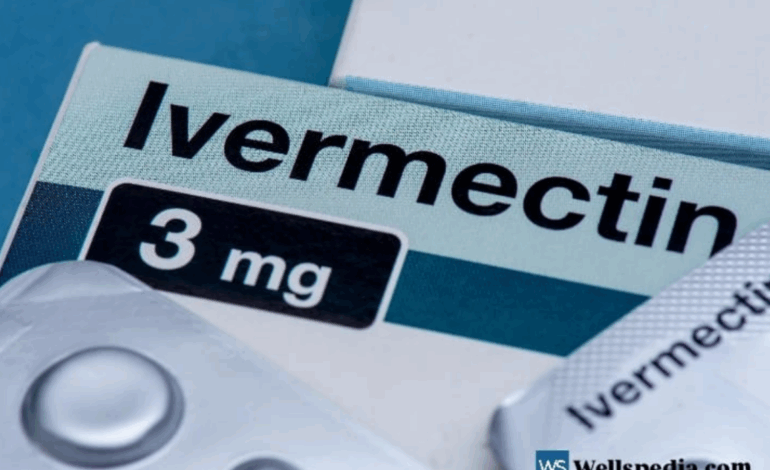
Ivermectin is a well-established medication with a long history in global medicine. First developed in the 1970s, it revolutionized the treatment of parasitic infections and earned its discoverers the 2015 Nobel Prize in Physiology or Medicine. Today, ivermectin remains listed on the World Health Organization’s Essential Medicines List, reflecting its importance in public health.
Despite its proven benefits, ivermectin has recently become surrounded by misinformation—particularly regarding COVID-19 and cancer. This article separates scientific fact from fiction and explains what ivermectin can and cannot do.
What Is Ivermectin?
Ivermectin is an antiparasitic (anthelmintic) medication used to treat infections caused by internal and external parasites. It works against several types of worms (nematodes) and skin parasites.
FDA-Approved Uses in Humans
-
Strongyloidiasis (intestinal roundworm infection)
-
Onchocerciasis (river blindness)
-
Head lice (topical formulation)
-
Rosacea (topical cream)
Ivermectin is also effective against mites and lice and is widely used in global parasite-control programs.
How Ivermectin Works in the Body
Ivermectin targets the nervous system of parasites. It binds to specific ion channels in parasite nerve and muscle cells, disrupting the flow of charged particles needed for normal nerve signaling.
This interference causes:
-
Paralysis of the parasite
-
Inability to feed or reproduce
-
Eventual death of the organism
Importantly, these ion channels are either absent or less accessible in humans, which explains ivermectin’s selective toxicity toward parasites.
Ivermectin Dosage for Humans
Dosage depends on the type of infection and body weight:
-
Strongyloidiasis: 200 micrograms per kg
-
Onchocerciasis: 150 micrograms per kg
Ivermectin tablets are typically available in 3 mg strengths, and the exact number of tablets is determined by a physician. Self-adjusting doses is unsafe and not recommended.
How Quickly Does Ivermectin Work?
-
Skin parasite levels drop by up to 80% within 48 hours
-
Strongyloidiasis cure rates exceed 95% after two doses
-
River blindness often requires repeated treatment every 6–12 months for long-term control
These outcomes highlight ivermectin’s effectiveness when used correctly.
What If You Miss a Dose?
If a dose is missed:
-
Take it as soon as remembered
-
Skip it if it’s close to the next scheduled dose
-
Do not double dose
Ivermectin is usually taken on an empty stomach unless otherwise advised.
Medical Conditions Treated With Ivermectin
Internal Parasites
-
Strongyloidiasis
-
Onchocerciasis
-
Ascariasis
-
Trichuriasis
External Parasites
-
Scabies
-
Head lice
-
Cutaneous larva migrans
Topical Ivermectin for Rosacea
A 1% ivermectin cream is commonly prescribed for inflammatory rosacea. Its benefits are linked to:
-
Elimination of Demodex mites
-
Anti-inflammatory properties
Duration of Use
-
Applied once daily for up to 4 months
Clarifying Common Myths
Does Ivermectin Treat Ringworm?
No. Ringworm is a fungal infection, not a worm. It requires antifungal medications, not ivermectin.
Possible Side Effects of Ivermectin
Oral Ivermectin Side Effects
-
Dizziness or fatigue
-
Skin rash or itching
-
Joint or muscle pain
-
Fever and chills
-
Swelling or edema
-
Heart rhythm changes (rare)
Topical Ivermectin Side Effects
-
Burning or itching
-
Dry or irritated skin
-
Redness
-
Eye irritation
Rare but serious effects may include liver injury, neurological symptoms, or allergic reactions.
When to Seek Medical Help
Emergency Care Needed If You Experience:
-
Severe confusion
-
Extreme drowsiness
-
Trouble breathing
-
Fainting or loss of responsiveness
These may indicate overdose or a severe reaction.
Ivermectin and COVID-19: What Science Says
Early Laboratory Interest
Initial lab studies suggested ivermectin might reduce viral replication—but only in non-human cells at doses far higher than safe human levels.
Clinical Evidence
-
Large studies show no reduction in COVID-19 severity or hospitalization
-
FDA does not approve ivermectin for COVID-19
-
WHO recommends use only within clinical trials
Dangerous Misuse
Use of veterinary ivermectin has caused serious poisoning, neurological damage, and hospitalizations. Animal formulations are highly concentrated and unsafe for humans.
Ivermectin and Cancer: Separating Hope From Hype
Laboratory studies suggest ivermectin may influence cancer cell pathways, but:
-
Mechanisms are unclear
-
Human trials are lacking
-
No FDA approval exists
Cancer patients should never replace standard treatments with ivermectin. Doing so can delay lifesaving care.
Ongoing Research on Ivermectin
Current research includes:
-
Combination therapy for intestinal worms
-
Use alongside albendazole for hookworm
-
Experimental studies on mosquito-borne diseases
Recent meta-analyses confirm no benefit for COVID-19 outcomes.
Final Verdict: What Ivermectin Is—and Isn’t
Ivermectin is a highly effective antiparasitic medication with decades of proven use. However:
-
It is not approved for COVID-19 or cancer
-
Social media claims are often misleading
-
Self-medication, especially with animal products, is dangerous
Evidence-based medicine—not viral trends—should guide treatment decisions.
Frequently Asked Questions (FAQ)
Who should not take ivermectin?
-
Pregnant individuals
-
Children under 5 years or under 15 kg
-
Patients with CNS disorders (use caution)
How long does ivermectin stay in the body?
It has a half-life of 12–36 hours, but traces may remain for up to 12 days.
Is ivermectin safe for asthma patients?
Human evidence is limited. Some individuals may experience allergic reactions—medical supervision is advised.
Does ivermectin treat malaria or bacteria?
Currently, ivermectin is not approved for malaria or bacterial infections.
Is ivermectin a steroid or antibiotic?
No. It is classified strictly as an antiparasitic drug.