GLP-1 Microdosing Explained: Benefits, Risks, and What Science Says
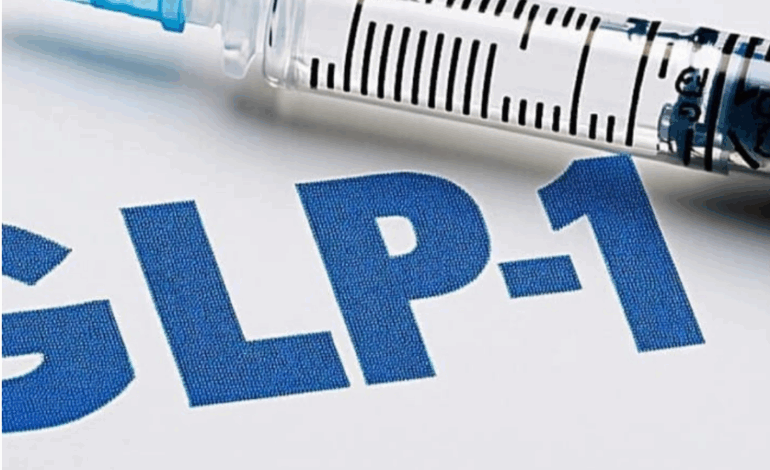
GLP-1 receptor agonists like Ozempic and Wegovy have transformed the treatment of type 2 diabetes and obesity. These medications help control blood sugar levels and support significant weight loss when used at clinically approved doses.
Recently, a growing trend called microdosing GLP-1 drugs has gained attention online. In this approach, people take smaller-than-prescribed doses in hopes of reducing side effects or saving costs. However, medical research has not yet confirmed whether this practice is safe or effective.
In this article, we’ll break down how GLP-1 medications work, why microdosing is becoming popular, and the potential risks involved.
How GLP-1 Medications Work
GLP-1 (glucagon-like peptide-1) is a natural hormone released after eating. It plays a major role in controlling blood sugar and appetite.
GLP-1 receptor agonists mimic this hormone but stay active in the body much longer, providing sustained benefits.
Key Effects on the Body
1. Supports Insulin Release
These medications help the pancreas release insulin only when blood sugar rises. This reduces the risk of dangerously low sugar levels.
2. Lowers Glucagon Levels
They decrease glucagon production, which prevents the liver from releasing excess sugar into the bloodstream.
3. Slows Digestion
GLP-1 drugs delay how quickly food leaves the stomach, helping you feel full for longer periods.
4. Reduces Appetite
They act on brain signals to control hunger and cravings, making it easier to maintain a healthy diet.
Ozempic vs Wegovy: What’s the Difference?
Both medications contain semaglutide, but doctors prescribe them for different purposes.
Ozempic
-
Used mainly for type 2 diabetes
-
Helps lower blood sugar
-
Reduces risk of heart-related complications
-
Taken once weekly
Wegovy
-
Designed for weight management
-
Prescribed for obesity or overweight conditions
-
Contains a higher dose of semaglutide
Proven Benefits of GLP-1 Medications
Clinical studies show strong results when patients follow standard dosing guidelines.
Better Blood Sugar Control
These drugs improve insulin function and reduce glucose production.
Effective Weight Loss
Many users lose 10–15% of body weight or more with proper use.
Heart Health Protection
They lower the risk of heart attacks and strokes in high-risk individuals.
Improved Metabolic Health
Patients often experience better blood pressure and cholesterol levels.
Standard Dosing: Why It Matters
Doctors carefully design GLP-1 dosing schedules to balance effectiveness and safety.
-
Ozempic: Starts at 0.25 mg weekly, gradually increasing
-
Wegovy: Slowly increases to a maintenance dose of 2.4 mg
This gradual increase helps the body adjust and reduces side effects like nausea.
Medical supervision ensures proper dosing, absorption, and results.
What Is GLP-1 Microdosing?
Microdosing means taking smaller-than-recommended doses of medication.
People often adjust injection pens themselves to control dosage. However, this practice is:
-
Not FDA-approved
-
Not standardized
-
Not supported by strong clinical evidence
Why Are People Microdosing GLP-1 Drugs?
Several factors drive this trend:
1. Fewer Side Effects
Lower doses may reduce nausea and digestive discomfort.
2. High Cost
These medications can be expensive, especially without insurance coverage.
3. Gradual Weight Loss
Some individuals prefer slower, more controlled weight reduction.
4. Cosmetic Use
People without medical conditions sometimes use GLP-1 drugs for weight loss.
5. Drug Shortages
Limited availability encourages some users to stretch their supply.
Is Microdosing Safe?
Currently, there is no strong scientific evidence proving that microdosing semaglutide is safe or effective.
While it may reduce side effects, it can also reduce the benefits of treatment.
Risks of Microdosing GLP-1 Medications
1. Reduced Effectiveness
Low doses may not properly control blood sugar or support weight loss.
2. Unknown Long-Term Impact
Researchers have not studied the long-term effects of low-dose use.
3. Dosing Mistakes
Manual adjustments increase the risk of incorrect dosing.
4. Delayed Treatment
Patients may delay proper therapy, leading to worsening health conditions.
Final Verdict: Should You Try Microdosing?
Microdosing GLP-1 medications may sound appealing, especially for reducing side effects or costs. However, the lack of medical evidence and potential risks make it a questionable approach.
The safest and most effective strategy is to follow doctor-prescribed dosing plans.
Until research provides clear guidance, standard dosing remains the best option for managing diabetes and weight.