Odactra Receives Expanded Approval for Pediatric Use Worldwide
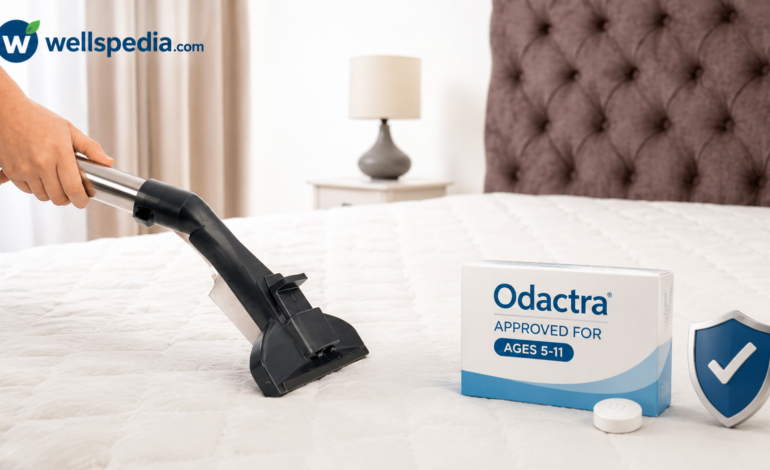
A major development in allergy treatment has emerged with the expanded approval of Odactra for pediatric use in several regions worldwide. This update offers new hope for children and adolescents suffering from house dust mite allergies, a common trigger behind allergic rhinitis and related respiratory conditions.
As awareness of allergy-related illnesses continues to grow, the approval of pediatric treatments such as Odactra represents an important step toward improving long-term quality of life for younger patients.
What Is Odactra?
Odactra is a prescription sublingual immunotherapy (SLIT) tablet designed to treat allergies caused by house dust mites. Instead of simply masking symptoms, the treatment works by gradually training the immune system to become less sensitive to allergens over time.
The tablet dissolves under the tongue and is typically taken once daily under medical supervision during the initial dose, followed by home administration as directed by a healthcare professional.
Why House Dust Mite Allergies Matter
House dust mites are microscopic organisms commonly found in bedding, carpets, upholstered furniture, and indoor dust. While invisible to the naked eye, they are among the leading causes of year-round allergies globally.
Children affected by dust mite allergies may experience symptoms such as:
- Persistent sneezing
- Nasal congestion
- Runny nose
- Itchy or watery eyes
- Chronic coughing
- Sleep disturbances
- Worsening asthma symptoms
For many families, these symptoms can interfere with school performance, sleep quality, and daily activities.
Latest Pediatric Approval Update
The latest regulatory expansion now allows Odactra to be prescribed for younger age groups in certain countries, broadening access to immunotherapy for pediatric patients. Previously, the medication was primarily approved for adults.
This decision follows clinical studies demonstrating that the treatment can effectively reduce allergy symptoms and decrease reliance on standard allergy medications in children and adolescents.
Healthcare experts believe earlier intervention may help reduce the long-term burden of allergic disease and potentially slow progression toward more severe respiratory conditions.
How Sublingual Immunotherapy Works
Unlike antihistamines that temporarily relieve symptoms, sublingual immunotherapy targets the underlying immune response.
The process involves controlled exposure to allergen extracts over time, helping the body build tolerance gradually.
Key Benefits of SLIT Therapy
- Non-invasive alternative to allergy injections
- Convenient at-home administration after the first supervised dose
- Long-term symptom improvement
- Reduced need for multiple allergy medications
- Potential improvement in quality of life
Because the therapy modifies immune responses, treatment usually continues for several years to achieve lasting benefits.
Safety and Possible Side Effects
As with any allergy immunotherapy, Odactra may cause side effects, especially during the early stages of treatment.
Common side effects include:
- Mild throat irritation
- Itching in the mouth or ears
- Swelling inside the mouth
- Nausea or stomach discomfort
Serious allergic reactions are rare but possible. Patients are advised to follow physician instructions carefully and seek emergency medical care if severe symptoms develop.
Parents should consult an allergy specialist before starting therapy to determine whether the treatment is appropriate for their child.
Who May Benefit From Pediatric Odactra Treatment?
Children diagnosed with house dust mite-induced allergic rhinitis or allergic conjunctivitis may be candidates for treatment, particularly if symptoms persist despite traditional medications.
Doctors typically confirm dust mite sensitivity through allergy testing before recommending immunotherapy.
The therapy may be especially helpful for patients who:
- Experience year-round allergy symptoms
- Have poor symptom control with antihistamines
- Want to avoid frequent allergy injections
- Suffer sleep or concentration issues due to allergies
Growing Global Focus on Pediatric Allergy Care
The pediatric approval of Odactra reflects a broader international trend toward earlier allergy intervention and personalized treatment approaches.
With allergy rates increasing worldwide, researchers and healthcare providers continue exploring therapies that go beyond temporary symptom management. Immunotherapy is increasingly viewed as a long-term strategy that may alter the course of allergic disease itself.
Experts also emphasize the importance of indoor allergen control, including:
- Using allergen-proof mattress covers
- Washing bedding in hot water regularly
- Reducing indoor humidity
- Vacuuming with HEPA filters
- Minimizing dust accumulation
Combining environmental management with medical therapy often provides the best results.
Final Thoughts
The expanded pediatric approval of Odactra marks a meaningful advancement in allergy care for children worldwide. By addressing the root cause of dust mite allergies rather than only treating symptoms, this therapy may offer long-term relief and improved daily functioning for many young patients.
As research into allergy immunotherapy continues to evolve, treatments like Odactra could play an increasingly important role in managing chronic allergic conditions early in life.