Emerging Perspective: Can Low Stomach Acid Lead to GERD?
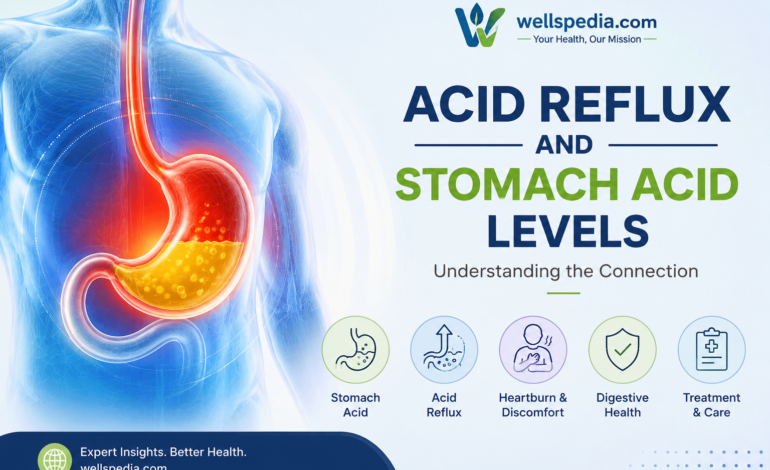
Gastroesophageal reflux disease (GERD) is commonly associated with excessive stomach acid. However, recent research suggests that this traditional view may not explain every case of acid reflux. Some experts believe that low stomach acid (hypochlorhydria) may contribute to reflux symptoms in certain individuals by affecting digestion and the function of the lower esophageal sphincter (LES).
Although this theory remains under investigation and is not considered the primary cause of GERD, understanding the possible relationship between low stomach acid and acid reflux may help improve diagnosis and treatment for some patients.
What Is GERD?
GERD is a long-term digestive condition in which stomach contents repeatedly flow back into the esophagus. Since the esophagus does not have the same protective lining as the stomach, repeated exposure to stomach acid and digestive fluids can lead to irritation and inflammation.
Occasional acid reflux is common, but when it happens frequently, it may develop into GERD and require medical attention.
Common Symptoms of GERD
People with GERD may experience one or more of the following symptoms:
- Burning sensation in the chest (heartburn)
- Sour or bitter taste in the mouth
- Regurgitation of food or stomach liquid
- Difficulty swallowing
- Chest discomfort after meals
- Persistent cough or sore throat
- Hoarseness, especially in the morning
- Feeling of a lump in the throat
- Chronic bad breath
Symptoms often become worse after eating large meals, lying down, or bending over.
How Does the Lower Esophageal Sphincter (LES) Work?
The lower esophageal sphincter (LES) is a circular muscle located where the esophagus meets the stomach.
Its primary responsibilities include:
- Allowing swallowed food to enter the stomach
- Closing tightly after swallowing
- Preventing stomach contents from moving upward
When the LES becomes weak or relaxes at inappropriate times, stomach contents can escape into the esophagus, leading to reflux symptoms.
Why Is Stomach Acid Important?
Hydrochloric acid (HCl), commonly known as stomach acid, performs several essential functions beyond digestion.
1. Breaks Down Food
Stomach acid begins the digestion of proteins and prepares food for further processing in the intestines.
2. Activates Digestive Enzymes
It activates enzymes such as pepsin, which are necessary for efficient protein digestion.
3. Helps Absorb Nutrients
Adequate stomach acid supports the absorption of nutrients including:
- Vitamin B12
- Iron
- Calcium
- Magnesium
- Zinc
4. Protects Against Harmful Microbes
The acidic environment destroys many bacteria, viruses, and other microorganisms that enter the digestive tract through food.
What Is Low Stomach Acid (Hypochlorhydria)?
Hypochlorhydria refers to reduced production of stomach acid. This condition can interfere with digestion and may contribute to several digestive complaints.
Unlike excess acid, low stomach acid often goes unnoticed because its symptoms may resemble those of acid reflux.
Possible Causes of Low Stomach Acid
Several factors may reduce stomach acid production, including:
Aging
Natural aging may gradually decrease stomach acid secretion.
Helicobacter pylori Infection
An infection caused by Helicobacter pylori can damage the stomach lining and reduce acid production over time.
Autoimmune Gastritis
This condition causes the immune system to attack acid-producing cells in the stomach.
Long-Term Use of Acid-Reducing Medications
Extended use of proton pump inhibitors (PPIs) and similar medications may contribute to reduced acid production in some individuals.
Chronic Stress
Persistent stress can influence digestive function through complex hormonal and nervous system pathways, although its exact impact varies among individuals.
Can Low Stomach Acid Contribute to GERD?
This is an emerging area of research.
Some specialists suggest that inadequate stomach acid may contribute to reflux symptoms through indirect mechanisms rather than by increasing acid itself.
Possible explanations include:
Poor Digestion
When stomach acid is insufficient, food may remain in the stomach longer because digestion becomes less efficient.
Increased Gas and Bloating
Incomplete digestion can encourage fermentation of food, producing excess gas. Increased pressure inside the stomach may promote temporary relaxation of the LES, making reflux episodes more likely.
Delayed Stomach Emptying
Food that remains in the stomach for extended periods may increase stomach pressure and contribute to reflux.
Reduced LES Function
Some researchers believe that digestive disturbances associated with low stomach acid may indirectly affect normal LES function, although more evidence is needed.
Symptoms That May Suggest Low Stomach Acid
Low stomach acid may cause symptoms such as:
- Bloating after meals
- Excessive burping
- Indigestion
- Feeling overly full after eating small amounts
- Gas
- Poor protein digestion
- Nutrient deficiencies
- Fatigue related to vitamin B12 or iron deficiency
These symptoms can overlap with many other digestive conditions, so proper medical evaluation is essential.
What Does Current Research Say?
Scientific evidence suggests that GERD is a multifactorial disease, meaning several factors contribute to its development.
Current research indicates that:
- Excess acid remains an important contributor in many GERD patients.
- Some people with low stomach acid may still experience reflux-like symptoms due to impaired digestion and increased stomach pressure.
- The relationship between hypochlorhydria and GERD is still being investigated.
- Existing studies do not support low stomach acid as the primary cause of GERD in most individuals.
Researchers continue to study whether correcting low stomach acid could benefit carefully selected patients under medical supervision.
Challenges and Ongoing Debate
The theory linking low stomach acid to GERD remains controversial.
Many gastroenterologists point out that:
- GERD has multiple causes.
- Obesity, hiatal hernia, dietary habits, smoking, pregnancy, and delayed stomach emptying are well-established risk factors.
- More high-quality clinical studies are needed before low stomach acid can be considered a major cause of GERD.
- Self-treatment aimed at increasing stomach acid may not be appropriate and could worsen symptoms in some people.
Because of these uncertainties, diagnosis should always be individualized.
How Is GERD Diagnosed?
Healthcare providers may recommend one or more tests, including:
- Medical history and symptom assessment
- Upper endoscopy
- Esophageal pH monitoring
- Esophageal manometry
- Testing for Helicobacter pylori when appropriate
These investigations help identify the underlying cause and guide treatment.
Treatment Options
Treatment depends on the underlying cause of symptoms and may include:
- Eating smaller, more frequent meals
- Maintaining a healthy body weight
- Avoiding trigger foods
- Not lying down immediately after eating
- Elevating the head of the bed
- Limiting alcohol and quitting smoking
- Medications such as antacids, H2 blockers, or proton pump inhibitors when indicated
- Treating underlying conditions like H. pylori infection if present
Patients who suspect low stomach acid should avoid supplements intended to increase stomach acid unless advised by a healthcare professional.
When Should You See a Doctor?
Seek medical evaluation if you experience:
- Heartburn more than twice a week
- Difficulty swallowing
- Unexplained weight loss
- Persistent vomiting
- Chest pain
- Blood in vomit or stool
- Symptoms that continue despite treatment
Early diagnosis can help prevent complications such as esophagitis, strictures, or Barrett’s esophagus.
Conclusion
The connection between low stomach acid and GERD is an evolving area of digestive health research. While traditional understanding emphasizes excessive acid exposure as a major factor in GERD, emerging evidence suggests that reduced stomach acid may indirectly contribute to reflux symptoms in certain individuals through impaired digestion and increased stomach pressure.
However, current scientific evidence does not support low stomach acid as the primary cause of GERD for most patients. Because reflux can result from many different factors, accurate diagnosis and personalized treatment remain essential. If you experience ongoing acid reflux or digestive discomfort, consult a healthcare professional for a comprehensive evaluation rather than attempting self-treatment.