Heart Attack Symptoms in Women: Early Warning Signs Every Woman Should Know
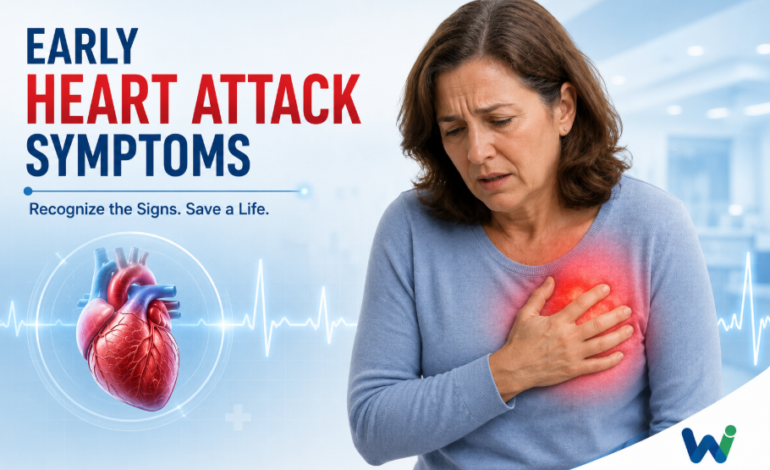
Heart disease is one of the leading causes of death among women worldwide. However, many women are unaware that heart attack symptoms in women can be very different from the classic symptoms seen in men. While chest pain is still common, women are more likely to experience subtle signs such as unusual fatigue, nausea, jaw pain, or shortness of breath.
Because these symptoms are often mistaken for indigestion, anxiety, or exhaustion, many women delay seeking medical care. Recognizing the warning signs early can save lives and reduce damage to the heart. If you want to understand the earliest warning signs before a heart attack occurs, read our detailed guide on Early Signs of Heart Attack:
What Are Heart Attack Symptoms in Women?
A heart attack (myocardial infarction) happens when blood flow to part of the heart muscle is blocked, usually due to a clot forming in a narrowed coronary artery. Without oxygen-rich blood, heart muscle cells begin to die.
Prompt treatment is essential because every minute counts. Early recognition and emergency care can significantly improve survival and recovery.
Why Heart Attack Symptoms Are Different in Women
Women often have:
- Smaller coronary arteries
- Different hormonal influences
- A higher chance of disease affecting small blood vessels (microvascular disease)
These factors can lead to symptoms that are less obvious than the “crushing chest pain” commonly associated with heart attacks.
15 Heart Attack Symptoms in Women
1. Chest Pain or Pressure
Women may feel pressure, tightness, fullness, or discomfort in the center of the chest. The pain may come and go rather than being constant.
2. Extreme Fatigue
Feeling unusually tired for several days or weeks without a clear reason is one of the most commonly reported early warning signs in women.
3. Shortness of Breath
Difficulty breathing may occur during activity or even while resting.
4. Jaw Pain
Pain or discomfort in the jaw, especially on the left side, can signal reduced blood flow to the heart.
5. Neck Pain
Some women experience aching or tightness in the neck before or during a heart attack.
6. Upper Back Pain
Pain between the shoulder blades or in the upper back is more common in women than in men.
7. Shoulder Pain
Pain may spread to one or both shoulders.
8. Left Arm Pain
Although classic, not every woman experiences arm pain.
9. Nausea or Vomiting
Women are more likely than men to feel sick to their stomach before a heart attack.
10. Indigestion
Many women mistake heart attack symptoms for acid reflux or heartburn.
11. Cold Sweats
Sudden sweating without physical activity can indicate a medical emergency.
12. Dizziness
Feeling faint or lightheaded should never be ignored.
13. Anxiety
Some women describe a sudden feeling that “something is terribly wrong.”
14. Heart Palpitations
An irregular heartbeat or fluttering sensation may occur.
15. Sleep Problems
Difficulty sleeping or waking up feeling exhausted has been reported by some women in the weeks before a heart attack.
Heart Attack Symptoms in Women vs Men
| Women | Men |
|---|---|
| Fatigue | Severe chest pain |
| Jaw pain | Left arm pain |
| Nausea | Chest pressure |
| Back pain | Sweating |
| Shortness of breath | Shortness of breath |
| Sleep disturbances | Chest tightness |
Risk Factors for Women
Women are at greater risk if they have:
- High blood pressure
- High cholesterol
- Diabetes
- Obesity
- Smoking
- Physical inactivity
- Family history of heart disease
- Stress
- Menopause
- Pregnancy-related conditions such as preeclampsia
When Should You Seek Emergency Care?
Call your local emergency medical services immediately if you experience:
- Chest discomfort lasting more than a few minutes
- Pain spreading to the jaw, neck, shoulder, or arm
- Sudden shortness of breath
- Cold sweats
- Fainting
- Severe dizziness
- Persistent nausea with chest discomfort
Do not drive yourself to the hospital if symptoms are severe.
Can Women Have a Heart Attack Without Chest Pain?
Yes. Many women experience a silent heart attack, where symptoms are mild or unusual. Instead of severe chest pain, they may have fatigue, nausea, shortness of breath, or back pain.
This is why any unexplained combination of these symptoms should be evaluated promptly.
How to Reduce Your Risk
You can lower your risk by:
- Eating a heart-healthy diet
- Exercising at least 150 minutes per week
- Maintaining a healthy weight
- Managing blood pressure, cholesterol, and blood sugar
- Quitting smoking
- Limiting alcohol
- Sleeping 7–9 hours each night
- Managing stress through relaxation techniques
- Getting regular health check-ups
Trusted Medical Resources
For additional evidence-based information about heart disease and heart attack symptoms, visit these trusted organizations:
- American Heart Association:
- World Health Organization (WHO):
- National Heart, Lung, and Blood Institute (NHLBI):
Frequently Asked Questions
What are the first signs of a heart attack in women?
Common early signs include unusual fatigue, chest discomfort, shortness of breath, nausea, jaw pain, and upper back pain.
Can a woman have a heart attack without chest pain?
Yes. Many women experience non-classic symptoms, making diagnosis more challenging.
Is jaw pain a sign of a heart attack?
Jaw pain, especially when combined with other symptoms like chest discomfort or shortness of breath, can be a warning sign.
At what age are women at higher risk?
Risk generally increases after menopause, but younger women with diabetes, smoking history, or high blood pressure can also experience heart attacks.
Conclusion
Heart attack symptoms in women are often subtle and easy to overlook. Unusual fatigue, nausea, jaw pain, upper back pain, or shortness of breath may appear before severe chest pain—or even without it. Paying attention to these warning signs and seeking immediate medical care can save lives.
For more information about recognizing warning signs before a cardiac emergency, read our guide on Early Signs of Heart Attack:
Medical Disclaimer
This article is intended for educational purposes only and should not replace professional medical advice. If you think you or someone else is having a heart attack, seek emergency medical care immediately.