Silent Heart Attack Symptoms: Can a Heart Attack Go Unnoticed
Introduction
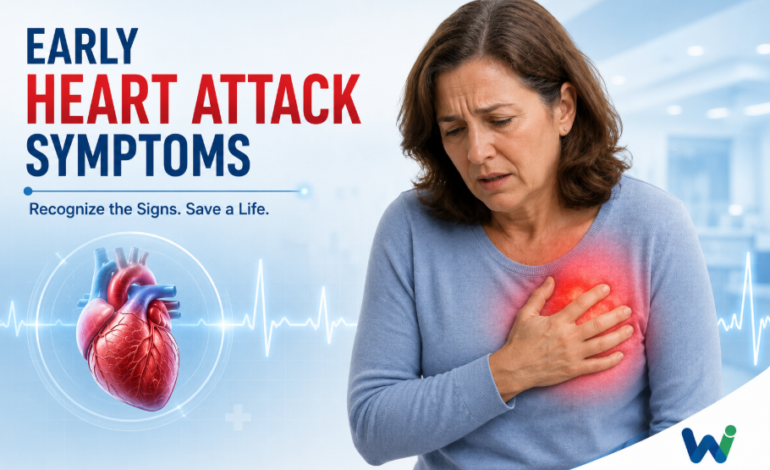
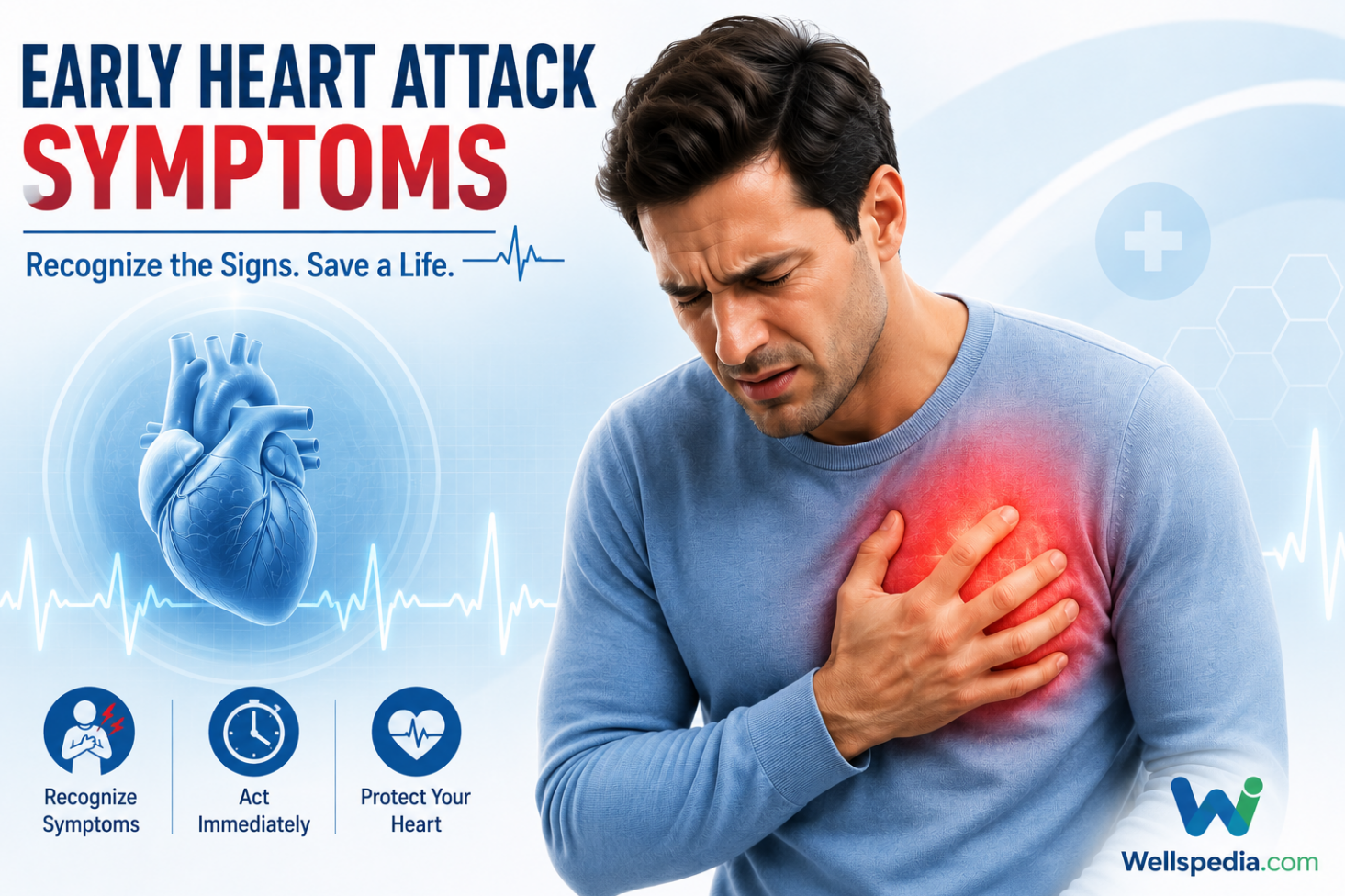
Most people imagine a heart attack as sudden, severe chest pain followed by collapse. However, silent heart attack symptoms can be mild, unusual, or even go unnoticed. Many people mistake these warning signs for indigestion, fatigue, stress, or muscle pain.
If you’ve already learned about the early warning signs of a heart attack, you know that symptoms don’t always begin suddenly. Our guide on Early Signs of Heart Attack explains how symptoms may develop gradually before a medical emergency.
Women, in particular, may experience different symptoms than men. If you’re looking for gender-specific warning signs, read our detailed guide on Heart Attack Symptoms in Women.
Although a silent heart attack may seem less serious because symptoms are subtle, it can still cause permanent damage to the heart. Recognizing these warning signs early and seeking prompt medical attention can significantly improve outcomes.
What Is a Silent Heart Attack?
A silent heart attack, also called a silent myocardial infarction (SMI), occurs when blood flow to the heart is reduced or blocked, but the symptoms are so mild or unusual that the person may not realize they are having a heart attack.
Although symptoms may be less dramatic, the damage to the heart muscle can be just as serious as with a typical heart attack.
12 Silent Heart Attack Symptoms
1. Mild Chest Discomfort
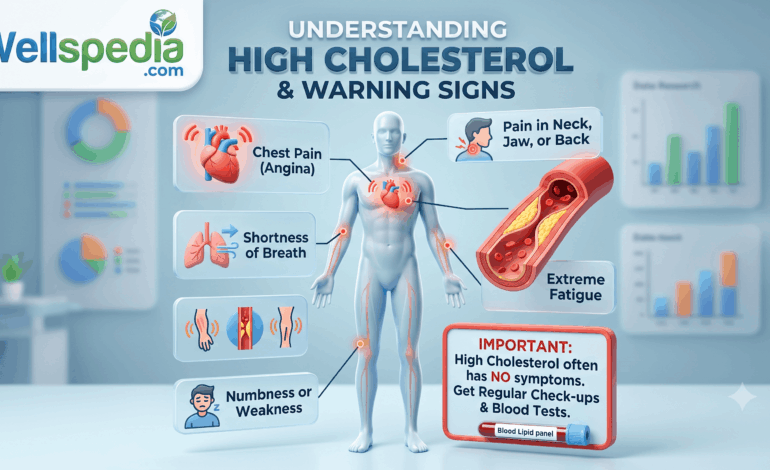
Instead of severe pain, you may feel pressure, tightness, or discomfort that comes and goes.
2. Unusual Fatigue
Feeling extremely tired without a clear reason, especially for several days, may be an early warning sign.
3. Shortness of Breath
Difficulty breathing during light activity or even at rest should never be ignored.
4. Jaw, Neck, or Shoulder Pain
Pain may spread beyond the chest and feel like muscle strain.
5. Upper Back Pain
Persistent upper back pain can sometimes indicate heart problems, particularly in women.
6. Nausea
Some people experience stomach discomfort, nausea, or vomiting.
7. Indigestion
A silent heart attack can be mistaken for acid reflux or heartburn.
8. Cold Sweats
Unexpected sweating without exercise may be a warning sign.
9. Dizziness
Feeling faint or lightheaded may occur because the heart cannot pump efficiently.
10. Heart Palpitations
An irregular or racing heartbeat should be evaluated, especially if it occurs with other symptoms.
11. Weakness
Sudden weakness or lack of energy may indicate reduced blood flow to the heart.
12. Symptoms That Come and Go
Many silent heart attacks begin with symptoms that disappear and return later.
Who Is Most at Risk for a Silent Heart Attack?
Risk factors include:
- Diabetes
- High blood pressure
- High cholesterol
- Smoking
- Obesity
- Older age
- Family history of heart disease
- Chronic kidney disease
- Physical inactivity
Silent Heart Attack Symptoms in Women
Women often experience:
- Fatigue
- Nausea
- Jaw pain
- Back pain
- Shortness of breath
- Sleep disturbances
Silent Heart Attack Symptoms in Men
Men are more likely to report:
- Mild chest pressure
- Left arm discomfort
- Sweating
- Shortness of breath
- Dizziness
How Is a Silent Heart Attack Diagnosed?
Doctors may use:
- Electrocardiogram (ECG)
- Blood tests (troponin)
- Echocardiogram
- Cardiac MRI
- Coronary angiography
When Should You Seek Emergency Medical Care?
Call emergency services immediately if you experience:
- Chest discomfort
- Difficulty breathing
- Pain spreading to the jaw or arm
- Severe dizziness
- Cold sweats
- Fainting
Even mild symptoms should be evaluated promptly if they are new or persistent.
Can a Silent Heart Attack Be Prevented?
Yes. Reduce your risk by:
- Eating a heart-healthy diet
- Exercising regularly
- Managing blood pressure and cholesterol
- Controlling diabetes
- Quitting smoking
- Getting regular health check-ups
Frequently Asked Questions About Silent Heart Attack Symptoms
Can a silent heart attack happen without chest pain?
Yes. Many people experience fatigue, nausea, shortness of breath, or jaw pain instead of chest pain.
Can you survive a silent heart attack?
Yes, but untreated damage can increase the risk of future heart attacks and heart failure.
How common are silent heart attacks?
They are more common than many people realize, especially among older adults and people with diabetes.
Can an ECG detect a silent heart attack?
Yes. An ECG can sometimes show evidence of a previous silent heart attack.
Conclusion
Silent heart attack symptoms are often subtle, making them easy to ignore. Unusual fatigue, shortness of breath, nausea, jaw pain, or mild chest discomfort should never be dismissed—especially if you have risk factors such as diabetes, high blood pressure, or high cholesterol. Early diagnosis and treatment can reduce complications and protect your heart health.
Medical Disclaimer: This content is for educational purposes only and does not replace professional medical advice. If you suspect a heart attack, seek emergency medical care immediately.