High Blood Pressure (Hypertension): Symptoms, Causes, Treatment & Prevention
High blood pressure, also known as hypertension, is one of the most common health conditions affecting millions of people worldwide. It is often called the “silent killer” because many individuals have no noticeable symptoms until serious complications develop. If left untreated, high blood pressure can damage the heart, brain, kidneys, and blood vessels, increasing the risk of heart attack, stroke, and kidney disease.
The good news is that high blood pressure can often be prevented and managed through healthy lifestyle choices, regular monitoring, and medical treatment when necessary. Understanding the symptoms, causes, and risk factors can help you take action before long-term damage occurs.
What Is High Blood Pressure?
Blood pressure is the force of blood pushing against the walls of your arteries as the heart pumps blood throughout the body. It is measured using two numbers:
- Systolic Pressure: The pressure when the heart contracts.
- Diastolic Pressure: The pressure when the heart relaxes between beats.
A normal blood pressure reading is generally around 120/80 mmHg. When blood pressure remains consistently above the recommended range, it is known as hypertension.
Over time, increased pressure forces the heart to work harder, putting extra strain on blood vessels and vital organs.
Blood Pressure Categories
| Category | Blood Pressure Reading |
|---|---|
| Normal | Less than 120/80 mmHg |
| Elevated | 120–129 / Less than 80 mmHg |
| Stage 1 Hypertension | 130–139 / 80–89 mmHg |
| Stage 2 Hypertension | 140/90 mmHg or higher |
| Hypertensive Crisis | Higher than 180/120 mmHg |
A hypertensive crisis requires immediate medical attention.
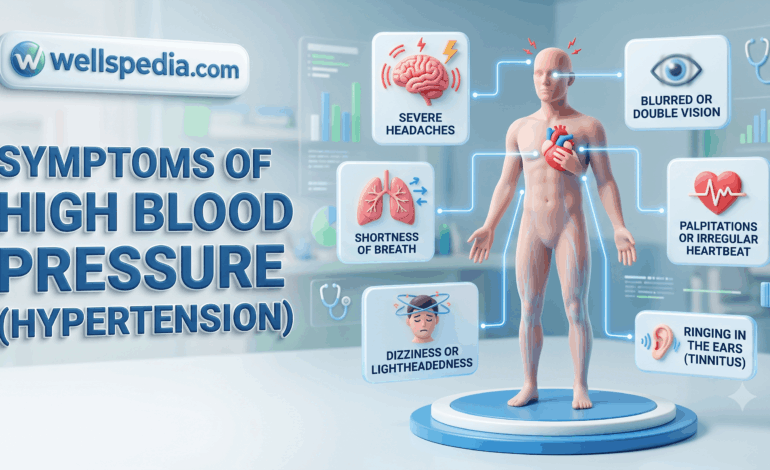
High Blood Pressure Symptoms
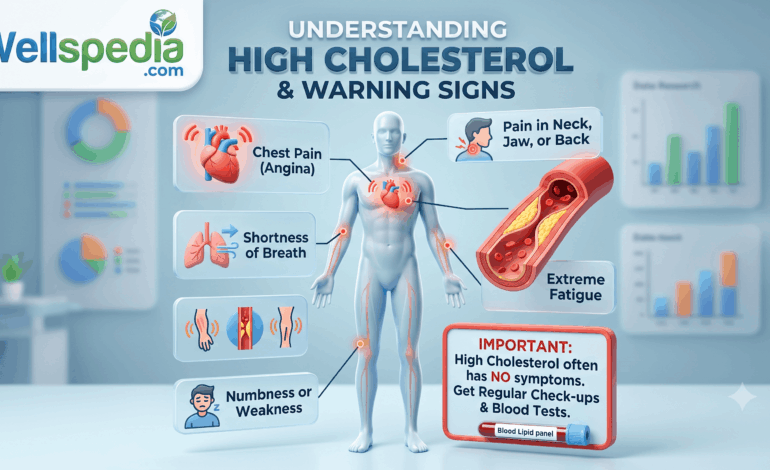
One of the biggest challenges with hypertension is that most people experience no symptoms during the early stages. This is why routine blood pressure checks are essential.
However, when blood pressure becomes dangerously high, some people may experience:
- Frequent headaches
- Dizziness
- Blurred vision
- Chest pain
- Shortness of breath
- Nosebleeds
- Fatigue
- Irregular heartbeat
- Confusion
- Severe anxiety
These symptoms may indicate that blood pressure has reached dangerous levels and should never be ignored.
What Causes High Blood Pressure?
There is no single cause of hypertension. Instead, several factors may contribute to its development.
1. Unhealthy Diet
Eating too much salt, processed food, sugary drinks, and saturated fat can increase blood pressure over time.
Foods high in sodium cause the body to retain water, placing extra pressure on blood vessels.
2. Physical Inactivity
A sedentary lifestyle weakens the heart and contributes to weight gain, making hypertension more likely.
Regular exercise helps improve blood circulation and keeps blood pressure under control.
3. Being Overweight
Excess body weight forces the heart to pump harder, increasing blood pressure.
Even modest weight loss can significantly improve blood pressure readings.
4. Smoking
Chemicals in tobacco damage artery walls and cause blood vessels to narrow, increasing blood pressure almost immediately after smoking.
5. Excessive Alcohol Consumption
Heavy alcohol use can raise blood pressure and reduce the effectiveness of blood pressure medications.
6. Stress
Long-term stress may contribute to unhealthy habits such as overeating, smoking, poor sleep, and alcohol consumption, all of which can raise blood pressure.
7. Family History
If hypertension runs in your family, you may have a higher risk of developing it.
Although genetics cannot be changed, healthy lifestyle choices can lower your risk.
Risk Factors
Anyone can develop hypertension, but certain factors increase the risk.
These include:
- Age over 40 years
- Obesity
- Diabetes
- High cholesterol
- Kidney disease
- Smoking
- Excess alcohol intake
- Lack of physical activity
- High-sodium diet
- Family history of hypertension
Why High Blood Pressure Is Dangerous
High blood pressure damages blood vessels slowly over many years.
Without treatment, it can lead to:
- Heart attack
- Stroke
- Heart failure
- Kidney disease
- Vision loss
- Peripheral artery disease
- Cognitive decline
This is why hypertension is often called a silent killer.
How Is High Blood Pressure Diagnosed?
Doctors diagnose hypertension using a blood pressure monitor.
If repeated readings remain elevated, additional tests may include:
- Blood tests
- Urine tests
- Electrocardiogram (ECG)
- Echocardiogram
- Kidney function tests
These tests help identify possible complications and underlying causes.
Key Takeaways
- High blood pressure often develops without noticeable symptoms.
- Regular blood pressure monitoring is essential for early detection.
- Healthy eating, exercise, and weight management are effective ways to lower blood pressure.
- Untreated hypertension increases the risk of heart attack, stroke, and kidney disease.
- Early diagnosis and proper treatment can help prevent serious complications.
Treatment Options for High Blood Pressure
The treatment plan for high blood pressure depends on your blood pressure readings, overall health, age, and the presence of other medical conditions such as diabetes or kidney disease. Many people can successfully control hypertension through lifestyle changes, while others may need medication.
1. Lifestyle Changes
Healthy daily habits are the foundation of blood pressure management.
- Eat a balanced, heart-friendly diet.
- Reduce salt (sodium) intake.
- Exercise regularly.
- Maintain a healthy weight.
- Quit smoking.
- Limit alcohol consumption.
- Get enough sleep every night.
- Practice stress management techniques such as yoga or meditation.
2. Medications
If lifestyle changes alone are not enough, your healthcare provider may prescribe medications such as:
- Diuretics (water pills)
- ACE inhibitors
- Angiotensin II receptor blockers (ARBs)
- Calcium channel blockers
- Beta-blockers
Never stop or change your medication without consulting your doctor.
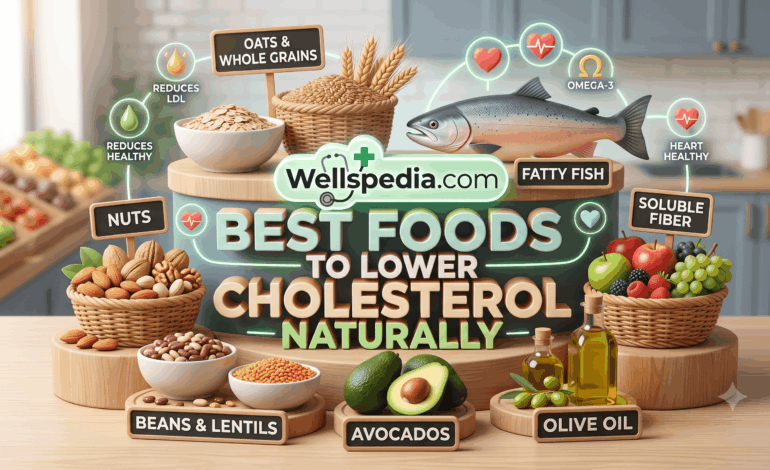
Foods to Eat for Healthy Blood Pressure
A nutritious diet can naturally help lower blood pressure and improve heart health.
Fruits
- Bananas
- Oranges
- Apples
- Berries
- Kiwi
Vegetables
- Spinach
- Broccoli
- Carrots
- Tomatoes
- Sweet potatoes
Whole Grains
- Oats
- Brown rice
- Whole wheat bread
- Quinoa
Healthy Proteins
- Fish (especially salmon and sardines)
- Skinless chicken
- Lentils
- Beans
- Chickpeas
Healthy Fats
- Olive oil
- Avocados
- Almonds
- Walnuts
- Flaxseeds
These foods provide nutrients such as potassium, magnesium, fiber, and healthy fats that support healthy blood pressure.
Foods to Avoid
Some foods may increase blood pressure and should be limited.
- Processed foods
- Packaged snacks
- Fast food
- Fried foods
- Processed meats
- Sugary beverages
- Excess sweets
- High-sodium canned foods
- Pickles with added salt
Reading food labels can help you reduce your daily sodium intake.
Best Exercises for High Blood Pressure
Regular physical activity strengthens the heart and improves circulation.
Recommended exercises include:
- Brisk walking (30–45 minutes)
- Cycling
- Swimming
- Light jogging
- Dancing
- Yoga
- Stretching exercises
- Low-impact aerobics
Aim for at least 150 minutes of moderate-intensity exercise each week, unless your healthcare provider advises otherwise.
Can High Blood Pressure Be Prevented?
In many cases, yes. While some risk factors such as age and genetics cannot be changed, adopting healthy habits can significantly reduce your risk.
Prevention Tips
- Check your blood pressure regularly.
- Eat more fruits and vegetables.
- Reduce salt intake.
- Stay physically active.
- Maintain a healthy body weight.
- Stop smoking.
- Limit alcohol consumption.
- Sleep 7–9 hours each night.
- Manage stress through relaxation techniques.
- Attend regular health check-ups.
When Should You See a Doctor?
Seek medical advice if:
- Your blood pressure consistently measures 130/80 mmHg or higher.
- You experience severe headaches, chest pain, shortness of breath, vision changes, or confusion.
- Your blood pressure reading is 180/120 mmHg or higher, as this may be a hypertensive crisis requiring immediate medical attention.
Frequently Asked Questions (FAQs)
1. Can high blood pressure be cured?
There is no permanent cure for most cases of hypertension, but it can often be controlled with lifestyle changes and medication.
2. Is high blood pressure hereditary?
Yes. A family history of hypertension can increase your risk, but healthy lifestyle choices can still make a significant difference.
3. Can stress cause high blood pressure?
Short-term stress can temporarily raise blood pressure, and chronic stress may contribute to unhealthy habits that increase long-term risk.
4. What is the best diet for high blood pressure?
A diet rich in fruits, vegetables, whole grains, lean proteins, and low-fat dairy products while limiting sodium and processed foods is generally recommended.
5. How often should blood pressure be checked?
Healthy adults should have their blood pressure checked at least once every year. People with hypertension or other risk factors may need more frequent monitoring as advised by their healthcare provider.
Conclusion
High blood pressure is a common but manageable condition. Because it often develops without noticeable symptoms, regular blood pressure checks are essential. Healthy eating, regular exercise, stress management, and following your healthcare provider’s treatment plan can help reduce the risk of heart attack, stroke, kidney disease, and other serious complications.
Taking small, consistent steps toward a healthier lifestyle today can have a lasting impact on your heart health and overall well-being.